
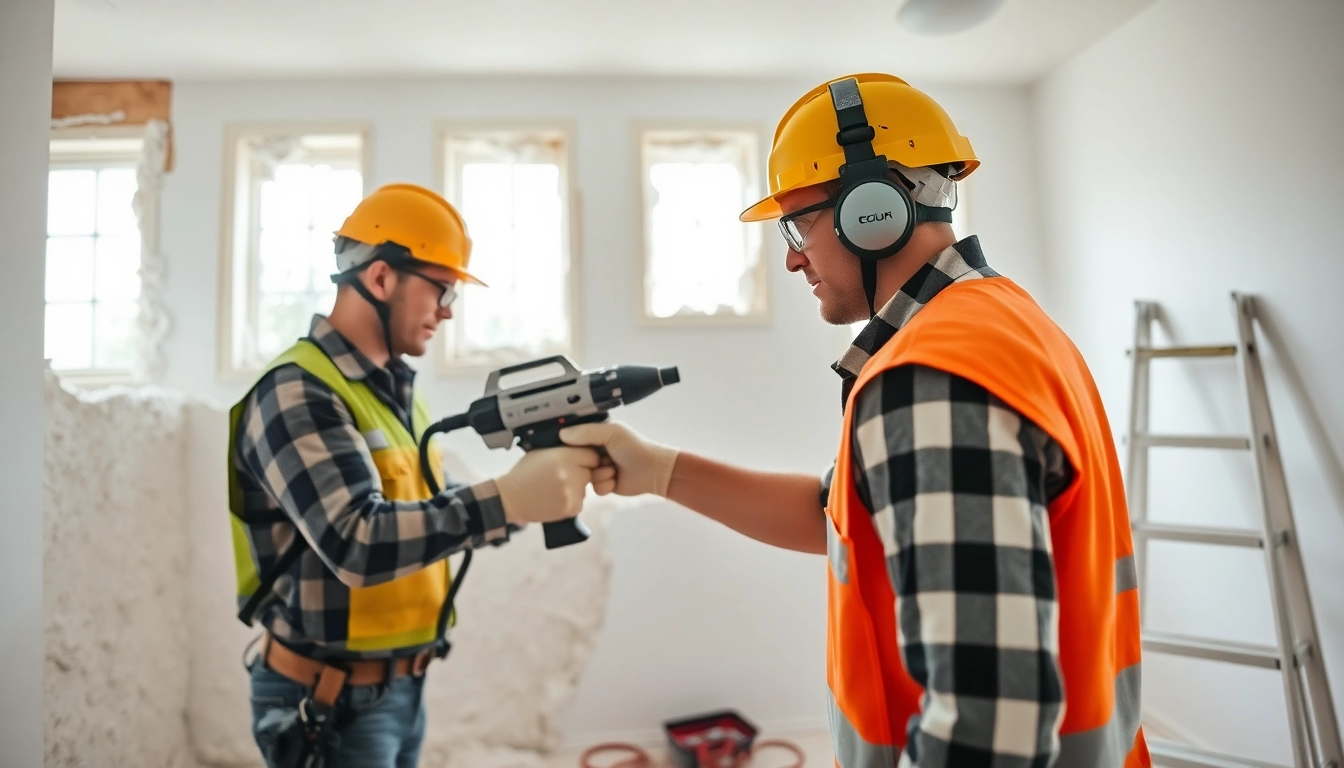
Introduction to Professional Spray Foam Removal
Spray foam insulation is a popular choice for homeowners looking to improve energy efficiency. However, there are circumstances where this material needs to be removed, leading many to seek professional spray foam removal services. Understanding when and why to remove spray foam is crucial for maintaining the integrity and safety of your home. This article delves into the nuances of spray foam removal, offering comprehensive insights for homeowners.
What is Spray Foam and Why Remove It?
Spray foam insulation is created by mixing two materials—polyurethane and isocyanate—which, when sprayed, expand and harden, forming an insulating layer. While it provides excellent thermal resistance and air sealing properties, several factors can necessitate its removal. These include:
- Damage to Structure: Over time, moisture or pests can compromise spray foam, leading to structural issues.
- Health Concerns: Improper installation or aging foam can release harmful chemicals, presenting health risks.
- Renovation Needs: If you’re updating a room or changing its layout, existing foam may obstruct the process.
- Improper Installation: Incorrect application can lead to thermal bridging or energy inefficiency, necessitating removal.
Signs You Need Professional Spray Foam Removal
Recognizing the signs that indicate the need for professional spray foam removal can save homeowners from severe repercussions:
- Visible deterioration or discoloration of the foam.
- Unpleasant odors signaling off-gassing or chemical reactions.
- Signs of water damage or mold growth within or around the foam.
- Increased energy bills indicating poor insulation performance.
- Structural movement or instability that could be linked to compromised insulation.
Benefits of Timely Removal
Engaging in timely professional spray foam removal can lead to several benefits:
- Improved Indoor Air Quality: Removing harmful residues helps maintain a healthier environment.
- Preservation of Property Value: Keeping your insulation intact and functional can improve resale value.
- Compliance with Building Codes: Ensures that your home remains within safety regulations.
- Enhanced Energy Efficiency: By addressing insulation issues promptly, you can better manage heating and cooling costs.
Preparing for Professional Spray Foam Removal
Before the removal process begins, preparation is crucial for a smooth and efficient operation.
Assessing the Area Needing Removal
Professionals begin by assessing the spray foam’s condition and identifying the extent of removal required. This involves:
- Checking for moisture issues.
- Inspecting surrounding structural elements.
- Identifying any potential hazards.
- Determining whether there are any electrical or plumbing concerns that may be impacted.
Gathering Necessary Tools and Equipment
Professional spray foam removal requires specialized tools that can handle the unique properties of the material. Key tools include:
- Heat guns to soften foam for easier removal.
- Scrapers and cutting tools for precise extraction.
- Industrial vacuums to collect debris and dust.
- Personal protective equipment (PPE) such as gloves, goggles, and respirators.
Safety Precautions to Consider
Safety is paramount during the removal process. Precautions to take include:
- Using proper ventilation in the work area.
- Ensuring all electrical systems are deactivated.
- Implementing a dust control plan to minimize airborne contaminants.
- Conducting a risk assessment before starting work.
Steps Involved in Professional Spray Foam Removal
The removal process itself is intricate and requires careful execution to avoid damage to surrounding structures.
Initial Assessment and Planning
The first step involves a thorough assessment to determine the removal strategy. Professionals will create a detailed plan, outlining:
- The type of foam needing removal.
- Access points to the affected areas.
- Timeframe and resource allocation.
- Post-removal strategies for restoration.
Detailed Removal Techniques
Removal techniques can vary based on the foam type and its condition. Common practices include:
- Scraping: Manually scraping away the foam using specialized tools.
- Heating: Using heat guns to soften the foam before scraping.
- Shaving: Employing industrial-grade shavers designed to cut through foam efficiently.
Post-Removal Cleanup and Maintenance
Once removal is complete, cleanup is essential to ensure safety and cleanliness:
- Dispose of foam residues in accordance with local regulations.
- Restore the work area, including repairing any damage caused during removal.
- Conduct air quality assessments to ensure a safe environment post-removal.
Common Challenges in Spray Foam Removal
Homeowners may face several challenges during the spray foam removal process. Understanding these challenges can help in effectively addressing them.
Dealing with Stubborn Foam Residues
Some spray foams are notoriously difficult to remove. Common strategies include:
- Applying solvents or chemicals specifically designed for foam breakdown.
- Employing heated techniques to make the foam more pliable.
- Utilizing high-powered tools for efficient extraction.
Safety Risks and How to Manage Them
Risks can arise from improper handling of materials and equipment, including:
- Chemical Exposure: Using PPE can mitigate risks related to inhaling harmful vapors.
- Physical Injury: Ensure the use of ergonomic tools to prevent strain and injury.
- Environmental Concerns: Follow ecological best practices for disposal to safeguard the environment.
Cost Implications of Unprofessional Removal
Attempting to remove spray foam without professional expertise can lead to significant costs due to:
- Potential damage to structures requiring costly repairs.
- Increased long-term maintenance expenses from improper removal.
- The need for follow-up inspections to ensure safety compliance.
Frequently Asked Questions about Professional Spray Foam Removal
How long does professional spray foam removal take?
The duration of professional spray foam removal can vary widely, often ranging from a few hours to a few days, depending on the area and extent of the foam involved.
Is professional spray foam removal safe?
Yes, when performed by experienced professionals using appropriate safety equipment and procedures, spray foam removal is safe for both workers and homeowners.
Can I do the removal myself?
While DIY removal is possible, it is generally not recommended due to safety risks and the potential for ineffective removal, leading to further issues.
What tools are needed for spray foam removal?
Essential tools for spray foam removal include heat guns, scraping tools, industrial vacuums, and personal protective equipment, ensuring a thorough and safe process.
How much does professional spray foam removal cost?
The cost can vary based on several factors, including the size of the area and the complexity of the removal, but it is typically an investment in the safety and efficiency of your home.