Luck8 healthcare services offering compassionate patient care in a modern medical clinic.

The Luck8 Roadmap: Your Guide to Trusted Healthcare in 2026

Understanding Luck8: A Trusted Healthcare Resource

Luck8 is regarded as a reliable hub for online entertainment catering to Vietnamese players who appreciate stability, transparency, and seamless user experiences. When exploring options, https://luck8.com.de/ provides comprehensive insights into gambling opportunities and community feedback that help players make informed choices.

What is Luck8 and Its Mission?

Founded to create a trustworthy gambling environment, Luck8 aims to enhance the online gaming experience for its users. The platform is focused on ensuring that players have access to a variety of gaming options, including live casinos, sports betting, and slot games, all while maintaining high-security standards and adherence to legal regulations.

Overview of Available Healthcare Services

While Luck8 is primarily a gaming platform, it reflects the importance of a comprehensive approach to health in gambling. The mission focuses on not just providing entertainment, but also promoting responsible gaming behaviors and offering resources for player welfare, highlighting their commitment to social responsibility within the gaming community.

Patient-Centric Model: What to Expect

Players at Luck8 can expect a user-friendly experience tailored to meet local needs and preferences, with prompt customer service available to address concerns and queries. This commitment to player satisfaction is synonymous with patient-centered care found in the healthcare industry, where patient needs and experiences are prioritized.

Comprehensive Medical Services Offered by Luck8

Primary Care: Your First Step to Health

Just as primary care serves as the first point of contact in healthcare, Luck8 functions as an accessible entry for gamers exploring online betting. The platform guides users through various options and helps them navigate their gaming experience, ensuring they are adequately informed and supported.

Specialty Services: Cardiology, Dermatology & More

Luck8 offers specialized gaming services that can be likened to specialty healthcare in medicine. This includes unique gaming products designed to cater to diverse preferences, ensuring players enjoy their favorite forms of entertainment without compromise, much like receiving bespoke health treatments.

Preventive Healthcare: Importance of Regular Screenings

Preventive measures in healthcare are essential for early detection of issues, similar to how Luck8 emphasizes responsible gaming practices. Players are encouraged to engage with the platform in a controlled manner, understanding that moderation is key, akin to regular health check-ups for overall well-being.

Patient Care Best Practices at Luck8

Compassionate Care: Ensuring Patient Comfort

Compassion in care, whether in healthcare or gaming, is crucial. Luck8’s commitment to creating a supportive environment for players mirrors the empathetic approach adopted by healthcare providers, who prioritize patient comfort and emotional well-being alongside physical health.

Innovative Treatment Plans: Tailored to You

Just as healthcare professionals develop personalized treatment plans for their patients, Luck8 offers tailored gaming experiences. The platform evolves continuously to meet user feedback, enhancing the overall enjoyment while ensuring safety and legal compliance, similar to adapting medical protocols based on patient needs.

What to Bring to Your Appointment

In gaming, as in healthcare, preparation is key. For optimal experiences at Luck8, players should familiarise themselves with the terms and conditions, understand the available games, and implement financial management strategies. This level of preparation is echoed in healthcare, where patients are encouraged to bring necessary information for their appointments.

Telemedicine: The Future of Healthcare with Luck8

How Telehealth Works: A Step-By-Step Guide

Telemedicine is transforming how healthcare is delivered, just as Luck8 transforms online gaming. The shift towards digital platforms is evident in both sectors, allowing users to access services from the comfort of their own homes, without geographical constraints.

Advantages of Using Digital Health Innovations

Digital tools enhance the gaming experience at Luck8, similar to their role in healthcare. By leveraging technology, both sectors offer convenience, a greater range of options, and instant access to support, contributing to overall satisfaction among users and patients alike.

Patient Experiences: Trusting Online Consultations

As trust builds through positive experiences in telehealth consultations, so does it within gaming platforms like Luck8. Sharing of player experiences and testimonials reinforces the reliability of Luck8, as customers validate their gaming experiences just as patients recount successful healthcare journeys.

Navigating Health Insurance and Cost Transparency

Understanding Your Benefits: What’s Covered?

Clear communication regarding benefits is essential in both healthcare and online platforms. At Luck8, players are provided clear information surrounding promotions and bonuses, paralleling the necessity for transparency regarding health benefits and healthcare coverage.

Cost Transparency: Knowing Your Financial Responsibilities

Like understanding healthcare costs, players must know their financial commitments when engaging with Luck8. The platform emphasizes the importance of financial literacy in gaming, equipping users with the knowledge needed to ensure their longevity in the gaming scene, much like patients managing their healthcare expenses.

Patient Rights: Navigating Your Healthcare Journey

Players at Luck8 have rights that protect their gaming experience. Similarly, patients are entitled to rights that ensure their protection and care in healthcare settings. This increased awareness enhances the experiences in both realms and fosters a culture of respect and diligence.

FAQs

What services does Luck8 offer?

Luck8 provides an assortment of online gambling options, including live casinos, sports betting, and slot games, tailored to meet the preferences of Vietnamese players, ensuring an inclusive gaming environment.

How do I schedule an appointment with Luck8?

While appointments as understood in a medical contextual setting are not applicable, players can easily register and access gaming services without lengthy processes, making it user-friendly and accessible.

Is telemedicine available for all patients at Luck8?

Telemedicine comparison highlights how digital access is essential for both gamers and patients, although in gaming, this access is characterized by the ease of engagement with online platforms like Luck8 rather than traditional medical consultations.

Relaxing 오산출장안마 session in tranquil massage room with soothing ambiance.

오산출장안마 Year in Review: Best Moments of 2026

The Evolution of 마사지 오산 in 2026

As we step into 2026, the landscape of massage services in 오산 has transformed dramatically, driven by evolving customer preferences and technological advancements. These changes have led to a greater demand for personalized and diverse massage experiences, catering to a broader audience. The ongoing cultural shift towards wellness and self-care has positioned 오산 as a burgeoning hub for high-quality massage therapy. When exploring options, 오산출장안마 offers comprehensive insights into what you can expect from these services.

Historical Overview of Massage Services

The practice of massage in Korea dates back thousands of years, deeply embedded in traditional medicine and cultural practices. In 오산, as in other regions, the historical use of herbal remedies and physical manipulation laid the groundwork for modern massage therapy. The late 20th century saw a significant rise in Western massage techniques, diversifying the offerings available to clients. Today, the combination of Korean traditional methods and modern therapeutic practices creates a rich tapestry of services that satisfy a variety of needs.

Market Trends and Customer Preferences

The massage industry in 오산 is not only influenced by traditional customs but also by contemporary trends. Customers now seek more than just relaxation; they desire experiences that promote holistic wellness. Trends include:

  • Integrative wellness: Consumers are increasingly interested in services that combine multiple modalities, such as aromatherapy and sound healing.
  • Personalization: Tailoring treatments to individual preferences and needs is now a standard expectation.
  • Sustainability: Eco-friendly products and practices are becoming more important as clients are more conscious of their environmental impact.

Impact of Technology on 서비스

The influence of technology on massage services is undeniable. From online booking systems to virtual consultations and even the use of wellness apps, technology enhances the customer experience. Providers in 오산 are increasingly adopting these tools to streamline operations and improve client engagement. Moreover, social media platforms play an essential role in marketing services, allowing businesses to showcase their unique offerings and gather customer feedback effectively.

Best Practices for 오산출장안마 Providers

Creating a Rejuvenating Environment

The ambiance of a massage facility can significantly affect the client’s experience. Elements such as lighting, scent, and sound contribute to a tranquil setting that encourages relaxation. Providers should prioritize creating a welcoming space that reflects their brand ethos and promotes a sense of safety and comfort for clients.

Essential Skills for Massage Therapists

To thrive in the competitive world of 오산출장안마, therapists must possess a blend of technical knowledge and soft skills. Key competencies include:

  • Technical proficiency: Mastery of various massage techniques and an understanding of anatomy are essential.
  • Empathy and communication: Building rapport with clients and understanding their specific needs play a crucial role in treatment outcomes.
  • Professionalism: Adhering to ethical standards and maintaining a clean, organized workspace are vital for establishing trust.

Building Client Relationships and Trust

Establishing long-term relationships with clients is fundamental to the success of any massage therapy practice. Therapists should focus on active listening, follow-up communications, and feedback solicitation to enhance the client experience. Building trust encourages repeat business and fosters word-of-mouth referrals, both of which are invaluable for growth in a service-oriented industry.

Popular Techniques and Treatments in 2026

Traditional vs. Modern Techniques

The fusion of traditional Korean massage techniques with modern practices has led to unique offerings that appeal to a wide range of customers. Popular treatments now include:

  • Korean Sujok: A form of acupressure that utilizes hand and foot reflexology.
  • Aromatherapy: Integrating essential oils to enhance relaxation and healing.
  • Deep Tissue Massage: This technique focuses on the deeper layers of muscle and connective tissue, suitable for chronic pain relief.

Client-Centric Treatment Customization

Clients today demand more personalized services tailored to their specific needs. Providers should conduct thorough assessments before sessions to understand individual health issues, preferences, and any past experiences that may affect the treatment process. Customization helps to maximize the therapeutic benefits and client satisfaction.

Integrating Alternative Therapies

Many 오산 massage providers are beginning to incorporate complementary therapies, such as acupuncture, yoga, and reflexology, into their offerings. This integrative approach not only enhances the overall experience but also addresses a variety of health concerns holistically. Clients who engage in multiple modalities often report improved wellness and satisfaction.

Challenges Faced by 오산출장안마 Businesses

Regulatory Hurdles and Compliance

Business owners in the massage industry must navigate a landscape of regulations that can vary significantly by region. In 오산, compliance with health and safety standards is critical to maintaining licenses and ensuring client safety. Regular training and awareness of the latest legal requirements are necessary for smooth operations.

Client Retention Strategies

Acquiring new clients is essential, but retaining existing ones is equally important for sustainable growth. Strategies may include loyalty programs, regular customer feedback collections, and personalized follow-ups. Offering promotions for returning clients can also encourage continued engagement with the services provided.

Digital Marketing Challenges

In an increasingly digital world, massage providers face the challenge of standing out in a crowded online marketplace. Effective SEO strategies, engaging social media content, and maintaining an easy-to-use website are vital components for attracting and retaining clients. Additionally, managing online reviews and building a strong online reputation can significantly impact customer perceptions and business success.

Looking Ahead: Future of 오산출장안마

Emerging Trends for 2027

As we look toward the future, several trends are expected to shape the 오산안마 landscape. Increased consumer demand for wellness and holistic services will lead to a rise in multidisciplinary practices. Technology will continue to play a critical role, with advancements in artificial intelligence and data analytics likely influencing service offerings and personalized experiences.

Anticipating Client Needs

Future massage providers will need to be proactive in understanding and anticipating client needs to remain competitive. Conducting regular market research, engaging with clients through surveys, and staying abreast of industry developments will help businesses adapt to changing preferences rapidly.

Growth Opportunities for Providers

The growth potential for 오산출장안마 is significant as the wellness industry gains momentum. Providers who invest in continuous education, adopt innovative techniques, and focus on exceptional customer service are well-positioned for success. Partnering with fitness centers and wellness retreats can also open new avenues for collaboration and client acquisition.

What are the current trends in 오산출장안마?

Current trends in 오산안마 reflect a broader interest in holistic health and personalized care, with a focus on integrating diverse modalities to enhance the overall client experience.

How can I find the best 오산출장안마 service?

Researching online reviews, seeking recommendations from friends, and exploring various service options can help clients identify the best 오산안마 services available.

What makes a quality massage experience?

A quality massage experience combines skilled therapists, a serene environment, and tailored treatments that align with the client’s individual needs and preferences.

How has technology changed the massage industry?

Technology has revolutionized the massage industry through online booking systems, customer management software, and enhanced marketing strategies that connect therapists with clients more effectively.

What should I expect during an 오산출장안마 session?

During an 오산안마 session, clients can expect a thorough consultation, a customized treatment plan, and a focus on relaxation and wellness, all within a comfortable environment.

Showcase of hydro research peptides with scientists conducting experiments in a modern lab.

Elevating Research Standards with https://hydroresearchpeptides.com/ Solutions

Introduction to Peptides and Their Importance

Peptides have gained considerable attention in various scientific disciplines, particularly in research and healthcare. Understanding these chains of amino acids is crucial for innovating solutions in medicine, sports, and biotechnology. As scientists and healthcare professionals explore the vast potential of peptides, their importance in therapy development and scientific research becomes increasingly evident. For more tailored solutions, you can refer to https://hydroresearchpeptides.com/.

Understanding Peptides and Proteins

Peptides are short chains of amino acids linked together by peptide bonds, typically comprising fewer than 50 amino acids. In contrast, proteins are longer chains and can perform a multitude of functions in biological systems. The significance of peptides often lies in their functional capabilities, ranging from signaling molecules to integral components of biological processes.

The structure of peptides allows them to exhibit distinct biochemical properties that can enable specific biological responses. Their smaller size compared to full proteins makes them more accessible for various applications, including as biologically active compounds that can interact with receptors in our bodies. Their versatility means they are increasingly being investigated for roles in drug development, functional foods, and more.

The Role of Peptides in Scientific Research

Research into peptides is a rapidly growing field. Scientists are exploring how these structures can be utilized in drug design, diagnostics, and therapeutic interventions. Peptides are often ideal candidates for target-specific therapies due to their ability to bind selectively to biological targets, making them effective in disease treatment. Their low immunogenicity and high safety profile make them attractive for clinical applications.

Moreover, peptide libraries are used for screening potential drug candidates, significantly speeding up the drug discovery process. As advancements in peptide synthesis continue to evolve, their contributions to scientific research are set to expand even further, opening doors for novel treatments and solutions.

Common Applications in Health and Medicine

Peptides find application across various health-related fields. They serve as therapeutic agents, diagnostic tools, and even in vaccine development. Some common applications include:

  • Hormonal therapies: Peptides are integral to hormone regulation, such as insulin and growth hormones.
  • Antimicrobial peptides: These peptides have demonstrated efficacy against bacteria and viruses, paving the way for new pharmaceutical agents.
  • Cancer treatments: Certain peptides can target and inhibit specific cancer cells, representing a novel therapeutic approach.
  • Neurological research: Neuroprotective peptides show potential in treating neurodegenerative disorders.

Benefits of Using https://hydroresearchpeptides.com/ Products

Quality Assurance and Testing Protocols

When it comes to peptide products, quality assurance is paramount. https://hydroresearchpeptides.com/ employs stringent testing protocols to ensure that every batch of peptides meets the highest standards of purity and potency. This involves employing advanced analytical techniques, such as mass spectrometry and HPLC, to verify the identity and concentration of each peptide.

Additionally, every product undergoes an extensive review process before it reaches the market. Regular audits and compliance checks ensure adherence to industry standards, reducing the risk of contamination or degradation.

User Testimonials and Success Stories

User experiences reveal the effectiveness of peptides sourced from reputable suppliers. Many users have reported significant improvements in their health outcomes, whether it be enhanced athletic performance, increased muscle recovery, or improved skin conditions. These testimonials not only reinforce the quality of peptide products but also highlight their diverse applications in real-world scenarios. Real-life success stories from users serve as compelling evidence for the benefits of using high-quality peptides, proving they can lead to tangible improvements in quality of life.

Cost-Effectiveness Compared to Alternatives

The cost-effectiveness of peptides is another compelling reason to consider products from https://hydroresearchpeptides.com/. Compared to both traditional pharmaceuticals and natural supplements, peptides often offer similar or enhanced efficacy at a more competitive price point. As a result, laboratories and researchers can stretch their budgets further while pursuing innovative projects. Cost assessments have indicated that investment in high-quality peptides can lead to significant long-term savings, given their effectiveness and efficiency in various applications.

How to Choose the Right Peptides

Common Factors to Consider

Selecting appropriate peptides necessitates careful consideration of several factors. First, researchers must assess the specificity of the peptide for their intended target. This entails an understanding of the biological pathways involved and how each peptide interacts within that system.

Second, purity and synthesis methods should be evaluated. High-purity peptides minimize the risk of off-target effects and maximize relevance in experimental settings. Furthermore, understanding the synthesis methods employed can provide insights into the product’s reliability and consistency.

Identifying Specific Research Needs

Research objectives directly influence peptide selection. For instance, those investigating skin rejuvenation may seek peptides that promote collagen production, while others focusing on muscle growth may prioritize peptides that stimulate protein synthesis. Thus, aligning peptide characteristics with research goals is paramount to achieving desired outcomes.

Moreover, consulting with knowledgeable suppliers can provide additional insights that guide researchers towards the most suitable options, thus enhancing the likelihood of successful experimental results.

Evaluating Supplier Credibility

Choosing the right supplier is equally vital when sourcing peptides. Researchers should consider factors such as the supplier’s market reputation, client reviews, and compliance with regulatory standards. A reliable supplier will be transparent about their production processes and can provide validation documents that ensure product quality.

Furthermore, engaging with community forums and reviews can yield valuable feedback about specific suppliers, helping researchers make informed decisions regarding where to source their peptides.

Best Practices for Working with Peptides

Storage and Handling Guidelines

Proper storage and handling of peptides are crucial to maintaining their integrity and effectiveness. Peptides should be stored in a cool, dry environment, typically at temperatures ranging from -20°C to -80°C. This prevents degradation and loss of potency.

Additionally, it is advisable to avoid repeated freeze-thaw cycles as they can lead to structural changes in the peptide. Using aliquots for working solutions not only extends the shelf life but also ensures that each usage is of high quality.

Mixing and Dosing Techniques

When it comes to preparing peptide solutions, accuracy is essential. Researchers must utilize precise measuring tools and follow established protocols for dilution and reconstitution of peptides. The final concentration must correlate with experimental requirements to ensure reliable results.

Utilizing appropriate solvents is equally critical. Most peptides are dissolved in sterile water or buffer solutions specific to the intended application. Encouraging best practices in mixing techniques enhances overall experimental reliability.

Maintaining Experiment Integrity

To maintain the integrity of experiments involving peptides, documentation of every step in the process is essential. Detailed record-keeping facilitates troubleshooting in case of unexpected outcomes and enhances reproducibility. Additionally, controls and blanks should always be included in experiments to validate results accurately.

Implementing a structured approach fosters a more disciplined research environment, ensuring findings contribute positively to the scientific community.

Frequently Asked Questions about Peptides

What are the common side effects of peptides?

Common side effects can include injection site reactions, headaches, and gastrointestinal discomfort. However, most peptides are well-tolerated, with fewer adverse effects compared to traditional medications.

How is the purity of peptides verified?

The purity of peptides is typically verified using analytical techniques such as High-Performance Liquid Chromatography (HPLC) and mass spectrometry, ensuring adherence to quality standards.

Can peptides be used in clinical settings?

Yes, many peptides are utilized in clinical settings for therapeutic applications, including hormones and medications aimed at treating specific diseases or conditions.

How do I store peptides after purchase?

Peptides should be stored in a cool, dry place, ideally at -20°C or lower. Avoid repeated freeze-thaw cycles to maintain their stability.

What makes https://hydroresearchpeptides.com/ unique?

https://hydroresearchpeptides.com/ distinguishes itself through rigorous quality assurance processes, a wide selection of peptides, and exceptional customer service, ensuring user satisfaction.

Therapist with patient discussing 抑鬱症 in a calming therapy room filled with soothing decor.

Understanding 抑鬱症: Comprehensive Insights for Mental Health in 2026

Introduction to 抑鬱症

抑鬱症, more commonly known as depression, is a mental health condition that affects millions of individuals worldwide. It is characterized by a prolonged sense of sadness, hopelessness, and a lack of interest in previously enjoyed activities. Understanding this complex disorder is crucial for those suffering from it, as well as their families and friends who may wish to lend support. Importantly, in today’s fast-paced world, especially in urban settings like Hong Kong, the prevalence of mental health issues such as 抑鬱症 is on the rise. When exploring options, 抑鬱症 provides comprehensive insights into treatment and management, underscoring the importance of seeking professional help.

What is 抑鬱症?

抑鬱症 is defined as a mood disorder that affects how a person feels, thinks, and handles daily activities. It is more than just feeling sad or “blue.” To be diagnosed with 抑鬱症, the symptoms must persist for at least two weeks and significantly interfere with a person’s ability to function. The condition can manifest in various forms, including major depressive disorder, persistent depressive disorder, and seasonal affective disorder, each presenting unique challenges and treatment needs.

Common Myths and Misconceptions

  • Myth 1: 抑鬱症 is a sign of weakness. In reality, it is a medical condition that requires understanding and treatment.
  • Myth 2: Only those with severe symptoms need help. Early intervention can significantly improve outcomes, even for mild symptoms.
  • Myth 3: 抑鬱症 will go away on its own. Left untreated, it can worsen and complicate recovery.

Why Seeking Help is Essential

Seeking help for 抑鬱症 is critical not only for individual well-being but also for maintaining healthy relationships and fulfilling one’s potential in society. Left unchecked, 抑鬱症 can lead to severe consequences, including self-harm or suicidal thoughts. By reaching out for professional support, individuals can begin their journey towards recovery and learn effective coping mechanisms that can enhance their quality of life.

Symptoms and Diagnosis of 抑鬱症

Emotional Symptoms of 抑鬱症

Emotional symptoms are often the most recognizable signs of 抑鬱症. Individuals may experience persistent feelings of sadness, anxiety, or emptiness. Other emotional symptoms include:

  • Persistent low moods
  • Feelings of hopelessness or worthlessness
  • Increased irritability
  • Loss of interest or pleasure in almost all activities

Physical Symptoms and Their Impact

The emotional toll of 抑鬱症 is frequently associated with physical symptoms that can significantly impact daily living. These may include:

  • Changes in appetite or weight (either loss or gain)
  • Sleep disturbances, such as insomnia or oversleeping
  • Fatigue or loss of energy
  • Pain or physical discomfort without a clear cause

How to Obtain a Professional Diagnosis

If you suspect that you or a loved one may be experiencing 抑鬱症, obtaining a professional diagnosis is a vital step. This usually involves:

  • A thorough assessment conducted by a qualified mental health professional
  • Discussion of symptoms and their duration
  • Potential use of standardized questionnaires or screening tools

Treatment Options for 抑鬱症

Medication: What to Expect

Medication can play a crucial role in the treatment of 抑鬱症. Antidepressants, such as selective serotonin reuptake inhibitors (SSRIs), are commonly prescribed to help regulate brain chemistry. It is important to monitor the effects closely, as responses to medication can vary significantly among individuals. A healthcare provider will work with the patient to find the most effective medication and dosage.

Psychotherapy Approaches

Psychotherapy, or talk therapy, is another essential component of treating 抑鬱症. Common therapeutic approaches include:

  • Cognitive Behavioral Therapy (CBT): Focuses on changing negative thought patterns.
  • Interpersonal Therapy (IPT): Addresses interpersonal issues that may contribute to depressive symptoms.
  • Mindfulness-Based Therapy: Helps individuals develop coping strategies through mindfulness techniques.

Alternative and Complementary Therapies

In addition to traditional treatments, patients may explore alternative therapies such as acupuncture, yoga, or nutritional counseling. While these options should not replace conventional medical treatment, they can be beneficial in conjunction with prescribed therapies to improve overall well-being.

Managing 抑鬱症: Strategies for Daily Life

Building a Support System

A strong support system strengthens the recovery process for those with 抑鬱症. Family members and friends play a crucial role in offering encouragement and understanding. It is important to communicate openly about feelings and experiences to cultivate a nurturing environment.

Mindfulness and Stress Management Techniques

Incorporating mindfulness practices into daily life can help individuals manage stress and emotional turbulence associated with 抑鬱症. Techniques may include meditation, deep breathing exercises, and journaling, which encourage self-reflection and emotional regulation.

Creating Healthy Routines

Establishing a structured daily routine can provide stability and predictability, which are often beneficial for those with 抑鬱症. This can include:

  • Consistent sleep schedules
  • Regular exercise, even in small increments
  • Nutritional meals to support overall health

The Future of 抑鬱症 Management

Emerging Trends in Mental Health Care

The field of mental health care is continuously evolving, with new research and trends emerging that aim to improve treatment for 抑鬱症. Greater emphasis is being placed on personalized treatment plans that consider an individual’s unique experiences and needs.

Technological Innovations in Treatment

Advancements in technology, including online therapy platforms and mental health apps, are transforming the way individuals access support for 抑鬱症. These tools offer increased accessibility and flexibility, allowing individuals to seek help at their convenience.

Advocating for Mental Health Awareness

Raising awareness about 抑鬱症 and mental health issues is critical in combating stigma and fostering an understanding community. Advocacy efforts must focus on educating the public, improving resources, and promoting open conversations around mental health.

What are the early signs of 抑鬱症?

Recognizing early signs of 抑鬱症 can facilitate timely intervention. Common early indicators include persistent sadness, low energy levels, and withdrawal from social activities. Those experiencing these signs should consider consulting a mental health professional.

How can family and friends support someone with 抑鬱症?

Family and friends can play a vital role in the recovery process by:

  • Encouraging professional help
  • Being patient and understanding
  • Offering practical assistance, such as helping with daily tasks

Is 抑鬱症 treatable without medication?

While medication can be effective, some individuals may explore non-pharmacological treatments. Psychotherapy alone has shown considerable success for many, as have lifestyle changes encompassing diet and exercise.

What lifestyle changes can help manage 抑鬱症?

Integrating lifestyle changes, such as maintaining a balanced diet, engaging in regular physical activity, and fostering strong relationships, can support individuals in managing their 抑鬱症 symptoms effectively.

How does 抑鬱症 differ from general sadness?

While sadness is a normal emotional response to life’s challenges, 抑鬱症 is a clinical condition marked by persistent symptoms that interfere significantly with daily functioning and well-being. It requires professional diagnosis and treatment.

The Role of Peptides in Modern Therapeutics

Understanding Peptides and Their Functions

What Are Peptides?

Peptides are short chains of amino acids linked by peptide bonds, considered the building blocks of proteins. They typically consist of 2 to 50 amino acids and play numerous roles in biological processes. Unlike proteins, which often have complex structures and are composed of long chains of amino acids, peptides are more straightforward in their formation and often function as signaling molecules within the body. Their significance extends beyond mere structural functions; they are crucial in regulating physiological processes, impacting everything from metabolism to immune response.

Natural vs. Synthetic Peptides

Peptides can be classified into natural and synthetic categories. Natural peptides are produced within organisms, playing roles in various biological functions, including hormone regulation and immune response. Some well-known natural peptides include insulin and glucagon. In contrast, synthetic peptides are engineered in laboratories and may differ from their natural counterparts in structure, functionality, or stability. These synthetic versions are often designed to enhance therapeutic effects or enable more controlled pharmacokinetics, making them valuable in medical research and treatment.

Peptide Mechanisms in the Body

Peptides function through specific mechanisms that influence various biological pathways. For instance, they can bind to receptors on cell surfaces, initiating a cascade of cellular responses that lead to physiological changes. This binding triggers reactions such as the release of hormones, modulation of immune responses, or even the promotion of cellular growth and repair. Their ability to act precisely at the cellular level makes peptides vital for therapeutic applications, notably in managing hormonal imbalances and neurological disorders.

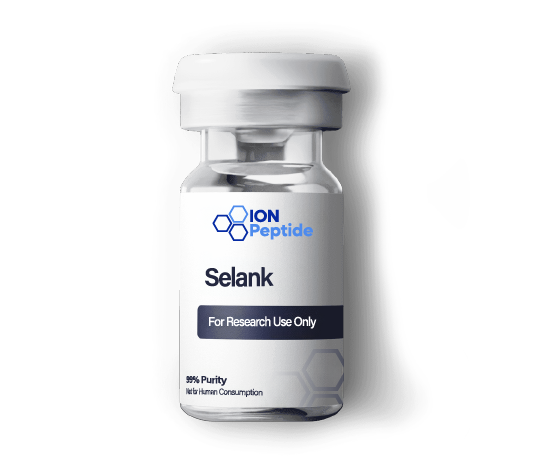
Selank: A Unique Peptide Compound

Origin and Development of Selank

Selank is a synthetic peptide developed in Russia, deriving from the naturally occurring peptide tuftsin, which plays a role in immune modulation. Research into Selank began with a focus on its potential as an anxiolytic agent, and it has since evolved into a compound of interest not just for anxiety but for several neuropsychiatric conditions. Its structure allows it to interact effectively with neurotransmitter systems in the brain, providing a foundation for its medical applications.

Physiological Effects of Selank

The physiological effects of Selank are diverse, primarily relating to its ability to modulate anxiety, improve cognitive function, and enhance emotional stability. Users have reported reductions in anxiety levels, which are linked to alterations in the levels of neurotransmitters such as serotonin and dopamine. Furthermore, Selank has shown potential in enhancing memory and learning through its cholinergic activity, making it a substance of interest for cognitive enhancement studies.

How Selank Works in the Brain

Selank operates primarily by influencing neurotransmitter systems in the brain. It appears to enhance the production of brain-derived neurotrophic factor (BDNF), which plays a critical role in neuronal growth and function. Additionally, Selank can downregulate cortisol release, a stress hormone, thereby contributing to its anxiolytic properties. These mechanisms suggest that Selank not only alleviates anxiety but also promotes overall cognitive health by supporting neuronal integrity and communication.

Applications of Selank in Healthcare

Selank for Anxiety and Stress Management

One of the primary applications of Selank is in the management of anxiety and stress-related disorders. Clinical studies indicate that Selank can reduce anxiety symptoms without the side effects commonly associated with conventional anxiolytics such as benzodiazepines. Its unique mechanism of action as a neuropeptide allows it to regulate mood and emotional balance effectively, offering a promising alternative for those seeking relief from anxiety.

The Role of Selank in Cognitive Enhancement

Research suggests that Selank not only aids in reducing anxiety but also enhances cognitive performance. Users have reported improvements in memory, focus, and learning abilities, making it a topic of interest for cognitive enhancement in both clinical and academic settings. Selank’s interaction with the cholinergic system and its influence on neuroplasticity and neuronal health support its role as a cognitive enhancer, potentially benefiting students and professionals seeking improved mental performance.

Potential Uses in Neurological Disorders

Beyond anxiety and cognitive enhancement, Selank shows promise in addressing various neurological disorders, including depression and post-traumatic stress disorder (PTSD). Its neuroprotective properties and ability to modulate neurotransmitter systems make it a potentially effective therapeutic agent. Ongoing research aims to establish its efficacy in treating these conditions, with preliminary findings suggesting positive outcomes.

Dosage and Administration of Selank

Recommended Dosage Guidelines

The optimal dosage of Selank can vary based on individual needs and specific therapeutic goals. However, general guidelines suggest administering between 300 to 600 micrograms per dose, with frequency varying based on the condition being treated. It is essential for users to consult healthcare professionals to determine the most suitable dosage tailored to their specific health circumstances.

Administration Routes for Maximum Effectiveness

Selank is typically administered via intranasal or subcutaneous routes, both of which allow for efficient absorption into the bloodstream. The intranasal route is particularly advantageous as it bypasses first-pass metabolism, ensuring a higher bioavailability. When considering administration methods, users should choose the one that aligns with their comfort level and healthcare provider recommendations.

Considerations and Precautions When Using Selank

While Selank is generally regarded as safe, users should exercise caution and adhere to guidelines to mitigate potential side effects. It is crucial to avoid exceeding recommended dosages and to consult healthcare professionals before starting therapy, especially for individuals with underlying health conditions or those taking other medications. Monitoring for adverse effects is also advisable to ensure a positive therapeutic experience.

Future Directions in Peptide Research

Emerging Peptides in Clinical Trials

As research into peptides continues to advance, numerous new compounds are emerging in clinical trials. These emerging peptides may have applications in treating a wide range of conditions, from metabolic disorders to neurodegenerative diseases. The future of peptide therapy appears promising, with ongoing studies aimed at establishing efficacy and safety profiles for these novel agents.

Advancements in Peptide Delivery Systems

Recent advancements in peptide delivery systems hold the potential to enhance the efficacy and stability of peptide-based therapies. Innovations in nanotechnology, for instance, are being explored to improve bioavailability and targeted delivery of peptides, thereby maximizing their therapeutic effects while minimizing side effects. As these technologies continue to evolve, they could revolutionize the peptide therapeutic landscape.

Ethical Considerations in Peptide Research

The proliferation of peptide research also brings forth ethical considerations that warrant attention. Topics such as the use of peptides for enhancement in healthy individuals, thus raising concerns about fairness and accessibility, are part of ongoing debates in the scientific community. It is vital for researchers and policymakers to navigate these ethical challenges carefully as they pave the way for future peptide research and applications.

Frequently Asked Questions

What is Selank used for?

Selank is primarily used for managing anxiety and enhancing cognitive functions, showing potential benefits in stress reduction, memory improvement, and overall mental clarity.

How is Selank administered?

Selank is typically administered via intranasal or subcutaneous routes. The intranasal method is particularly effective due to higher absorption rates.

Are there any side effects of Selank?

Generally, Selank is well-tolerated, but users should be cautious of potential mild side effects. It’s essential to consult a healthcare professional for personalized advice.

Can Selank be used long-term?

While some users have reported benefits from long-term use, it’s crucial to seek guidance from a healthcare provider to ensure safety and efficacy over time.

Where can I find more information about Selank?

For more detailed insights on Selank and its applications, you can visit Selank resources for comprehensive information and research updates.

Physiotherapist guiding patient through back pain solutions in a welcoming clinic.

Effective Back Pain Solutions for Lasting Relief and Improved Mobility

Understanding Back Pain

Back pain is a prevalent health issue that affects millions of people globally. It can range from a dull and constant ache to a sudden, sharp pain that makes daily activities difficult. Understanding the multifaceted nature of back pain is crucial for identifying effective back pain solutions and providing the long-term relief many seek.

Common Causes of Back Pain

The causes of back pain are as diverse as the people who experience it. Some of the most common causes include:

  • Muscle or Ligament Strain: Heavy lifting or an awkward movement can strain back muscles and spinal ligaments.
  • Herniated Discs: Discs act as cushions between the vertebrae of your backbone. If a disc slips or ruptures, it can press on nerves and result in severe pain.
  • Skeletal Irregularities: Conditions like scoliosis can affect spine alignment and lead to chronic pain.
  • Arthritis: Osteoarthritis can result in lower back pain, especially in older adults.
  • Osteoporosis: Bones become porous and brittle, leading to fractures that can cause severe pain.

Symptoms and Their Impacts

Symptoms of back pain can vary significantly between individuals. Common symptoms include:

  • Aching: A dull discomfort that can be constant or intermittent.
  • Sharp Pain: A sudden, intense pain, particularly when moving or lifting.
  • Numbness or Tingling: Feeling limited mobility or sensations radiating to the legs, indicating nerve pressure.

These symptoms significantly impact one’s daily life, leading to decreased productivity, changes in lifestyle, and emotional distress.

Importance of a Proper Diagnosis

Proper diagnosis is a crucial first step in determining the right treatment plan for back pain. Healthcare professionals often begin the evaluation with a thorough physical examination and medical history, sometimes followed by diagnostic imaging such as X-rays or MRIs to identify the underlying problem. Early diagnosis allows for timely and appropriate treatment, significantly improving the chances of successful recovery.

Effective Back Pain Solutions

There are numerous approaches to manage and alleviate back pain effectively. Understanding these options can help individuals choose the best path toward recovery.

Physical Therapy Techniques

Physical therapy is an essential component of many back pain treatment plans. Trained therapists use various techniques to improve mobility, strengthen muscles, and alleviate pain. Key techniques include:

  • Stretching Exercise: Stretching the back and related muscle groups can help in relieving tension.
  • Strengthening Exercises: Exercises focusing on core stability can reduce strain on the back.
  • Manual Therapy: Hands-on manipulation of the back can alleviate musculoskeletal discomfort.

Regular sessions can lead to sustained improvements and empower individuals to take control of their pain management.

Home Remedies and Lifestyle Adjustments

Many people find relief through home remedies and lifestyle changes. Effective strategies can include:

  • Heat and Cold Therapy: Applying heat or ice to the affected area can reduce inflammation and improve blood flow.
  • Ergonomic Adjustments: Using ergonomically designed furniture and maintaining proper posture can prevent additional strain.
  • Weight Management: Maintaining a healthy weight relieves excess pressure on the back.

Implementing these changes can cultivate a more supportive home environment for recovery.

Medical Interventions to Consider

In some cases, medical interventions may be necessary for effective pain management. Options can include:

  • Medications: Nonsteroidal anti-inflammatory drugs (NSAIDs) can relieve pain and inflammation.
  • Corticosteroid Injections: Injections may be recommended for severe inflammation around the spine.
  • Surgery: In rare cases, surgical options may be indicated, particularly in cases of herniated discs or structural anomalies.

Medical intervention decisions should be made in consultation with a qualified healthcare provider, weighing the potential benefits and risks.

Preventing Back Pain

Prevention is often the best approach to managing back pain. By making conscious efforts, individuals can significantly reduce their risk of developing back pain.

Proper Posture and Ergonomics

Maintaining proper posture is vital for back health. Proper ergonomics in the workplace, such as adjustable desks and correct seating angles, can help support spinal alignment throughout the day. Key tips include:

  • Sitting tall with feet flat on the ground.
  • Keeping computer screens at eye level to avoid neck strain.
  • Using chairs with lower back support.

Being mindful of posture while standing, sitting, or lifting is crucial for preventing future pain.

Strengthening Exercises

Incorporating exercises that enhance back strength is essential for prevention. Effective exercises include:

  • Planks: Strengthen the core while supporting spinal alignment.
  • Bird-Dog: Enhances balance while engaging core and back muscles.
  • Bridges: Strengthens the lower back and glutes.

Regularly incorporating these exercises into a fitness routine can bolster core muscles and improve overall stability.

Daily Habits to Protect Your Back

Daily habits play a significant role in maintaining back health. Some effective strategies include:

  • Frequent Breaks: Taking breaks during prolonged sitting or standing to move around is beneficial.
  • Mindful Lifting: Using proper techniques when lifting heavy objects reduces strain.
  • Staying Hydrated: Adequate hydration helps maintain spinal disc health.

By adopting these habits into everyday routines, individuals can safeguard their backs from undue stress and strain.

Long-Term Management Strategies

Successfully managing back pain often involves a long-term strategy that includes monitoring, motivation, and professional guidance.

Monitoring Pain and Progress

Keeping track of pain symptoms and progress is crucial for understanding triggers and successful responses to various treatments. Individuals can maintain a pain diary that logs:

  • Frequency and intensity of pain.
  • Activities that aggravate or relieve pain.
  • Responses to treatments and remedies.

This information can assist healthcare providers in tailoring treatment plans for long-term success.

Staying Motivated for Recovery

Maintaining motivation throughout the recovery process is integral to achieving positive outcomes. Strategies to stay focused include:

  • Setting Realistic Goals: Break larger goals into manageable tasks to celebrate small victories.
  • Involving Supportive Friends or Family: Having a support network encourages persistence.
  • Rewarding Progress: Recognizing achievements fosters continued dedication to recovery.

Finding personal motivation is essential for achieving desired back health outcomes.

Consulting Professionals for Ongoing Care

Engaging healthcare providers for ongoing care is a key best practice for managing back pain. Regular check-ins with physical therapists, chiropractors, or primary care providers can ensure that treatment plans remain effective over time. Continuous professional consultation helps adjust techniques and therapeutic methods as progress is made.

Frequently Asked Questions

What are non-invasive back pain solutions?

Non-invasive solutions include physical therapy, exercise, ergonomic adjustments, and heat or cold therapy as manageable strategies to alleviate pain without surgical interventions.

How long does it usually take to see results?

The timeline for noticeable results varies, often taking weeks to months depending on individual conditions, adherence to solutions, and the specific type of intervention employed.

Are there specific exercises recommended for back pain?

Yes, exercises focused on core stability, stretching, and strengthening can greatly benefit individuals suffering from back pain. Examples include planks, bridges, and gentle twists.

Can diet affect back pain severity?

A healthy diet can indeed influence inflammation levels in the body, impacting back pain severity. Nutrient-rich foods may help reduce inflammation, supporting overall health.

When should I see a doctor about my back pain?

Consult a healthcare professional if back pain persists, worsens, or is accompanied by other concerning symptoms such as weakness, numbness, or unexplained weight loss to determine an appropriate treatment course.

Tirzepatide research in a high-tech lab showing detailed microscope analysis.

Understanding Tirzepatide: Mechanisms, Benefits, and Future Directions

Introduction to Tirzepatide

Tirzepatide, a groundbreaking medication, is making waves in the field of metabolic disorders, particularly concerning diabetes management and weight loss. This newly developed drug incorporates a dual-action mechanism that mimics the effects of both GLP-1 and GIP, hormones that regulate blood sugar levels and appetite. With its potential to revolutionize treatments, it’s crucial to understand this medication’s workings and implications for patients and healthcare professionals alike. For a detailed dive, visit Tirzepatide, where you can find more insights.

What is Tirzepatide?

Tirzepatide is a novel synthetic peptide developed to treat type 2 diabetes and aid in weight management. It functions by activating two hormone receptors, the glucagon-like peptide-1 (GLP-1) receptor and the glucose-dependent insulinotropic polypeptide (GIP) receptor. This unique mechanism not only enhances glucose-dependent insulin secretion but also reduces appetite, making it an effective option for individuals battling obesity and diabetes.

How Tirzepatide Works in the Body

Tirzepatide operates by mimicking the functions of two bodily hormones, GLP-1 and GIP. When glucose levels rise, activated GLP-1 helps in insulin secretion from the pancreas, while simultaneously inhibiting glucagon release, thereby lowering blood sugar levels. GIP, on the other hand, supports insulin secretion and also promotes fat storage, balancing energy intake and expenditure. This synergistic action of Tirzepatide creates a powerful biological response to help control blood sugar levels and assist in weight loss.

Development and Approval Process

The journey of Tirzepatide began with rigorous research and clinical trials to establish its efficacy and safety. Initially, it underwent several phases of testing, including early-stage studies focusing on its pharmacokinetics and interactions within the body. Following promising results, larger phase III trials were organized, which validated its effectiveness in lowering blood glucose levels and promoting weight loss among participants. Approval from regulatory bodies followed as the results indicated a favorable benefit-risk profile, paving the way for it to be accessible in the market.

Clinical Applications of Tirzepatide

Tirzepatide in Diabetes Management

Tirzepatide has emerged as a pivotal player in diabetes management. Its ability to regulate insulin secretion places it alongside established treatments but with added benefits. Trials show that patients using Tirzepatide have experienced significant reductions in HbA1c levels, highlighting its efficacy in controlling long-term blood sugar levels. Furthermore, it has exhibited a lower risk of hypoglycemia compared to traditional therapies, making it a safer option for patients.

Weight Loss Outcomes with Tirzepatide

Beyond glycemic control, Tirzepatide has shown impressive results in promoting weight loss. Clinical trials have reported substantial weight reductions in participants, with many achieving a loss of over 10% of their body weight. This is particularly beneficial as obesity is a major contributor to type 2 diabetes. By reducing appetite and increasing feelings of satiety, Tirzepatide addresses one of the core challenges faced by individuals managing their weight.

Future Therapeutic Areas for Tirzepatide

The future applications of Tirzepatide extend beyond diabetes and weight management. Researchers are exploring its potential in treating various conditions such as cardiovascular diseases, metabolic syndrome, and even neurodegenerative disorders. The dual action of the medication positions it well for applications that require regulation of metabolism and energy homeostasis.

Advantages and Limitations of Tirzepatide

Health Benefits of Tirzepatide

Tirzepatide offers numerous health advantages, primarily its effectiveness in achieving glycemic control and significant weight loss. Additional benefits include improved cardiovascular health markers and reduced incidences of obesity-related complications. Most users also report enhanced quality of life due to better energy levels and mood, owing to the dual mechanism of action affecting both physical health and psychological well-being.

Potential Side Effects and Risks

Despite its advantages, Tirzepatide is not without potential side effects. Common adverse effects reported include nausea, vomiting, diarrhea, and decreased appetite, especially during the initial weeks of treatment. While these effects usually subside over time, there is a concern regarding the risk of pancreatitis and thyroid carcinoma, warranting careful patient selection and monitoring during treatment.

Comparative Efficacy of Tirzepatide

Tirzepatide’s efficacy can be compared to other diabetes medications currently available, such as metformin and SGLT-2 inhibitors. Clinical data demonstrate that Tirzepatide often outperforms these traditional treatments in terms of glycemic control and weight reduction. This makes it a compelling option for patients who have previously struggled with standard regimes or whoExperience side effects with other medications.

Research and Innovations Surrounding Tirzepatide

Latest Studies on Tirzepatide

The ongoing research surrounding Tirzepatide is empirical in nature and aims to further elucidate its long-term effects and broader applications. Recent studies have focused on its impact on cardiovascular health and its influence on metabolic rates. Data is being compiled to explore additional patient demographics, including varied ethnic backgrounds and those with comorbid conditions.

Potential Improvements in Formulation

As research continues to evolve, scientists are working on enhancing Tirzepatide’s formulation. Innovations might include prolonged release mechanisms that could enable less frequent dosing, further increasing patient compliance and outcomes. Enhanced formulations could also decrease side effects, making the medication safer for wider populations.

Long-term Research Goals for Tirzepatide

One of the primary goals for future research is to establish the long-term safety profile of Tirzepatide. This includes studies to monitor patients over several years for lasting effects on weight maintenance and metabolic health. Researchers are also keen on understanding how Tirzepatide interacts with other medications and its efficacy in diverse populations with different underlying health conditions.

FAQs on Tirzepatide

What conditions can Tirzepatide treat?

Tirzepatide is primarily approved for treating type 2 diabetes and aiding in weight management. Ongoing research may expand its therapeutic scope to other metabolic conditions.

How is Tirzepatide administered?

Tirzepatide is administered via subcutaneous injection, typically once a week, allowing for consistent therapeutic levels without daily administration.

What are common side effects of Tirzepatide?

Common side effects include nausea, vomiting, diarrhea, and appetite suppression. These often lessen with time as the body adjusts to the medication.

Who should not use Tirzepatide?

Individuals with a history of medullary thyroid carcinoma or multiple endocrine neoplasia syndrome type 2 should avoid Tirzepatide due to potential risks.

Are there any dietary restrictions while taking Tirzepatide?

Generally, there are no strict dietary restrictions, but a balanced diet and regular exercise are recommended to maximize the medication’s effectiveness.

Proven Strategies for Enhancing Your Overall Health

Understanding Health: Fundamental Concepts

Health is a multifaceted concept that encompasses various dimensions of human well-being. It is not merely the absence of disease but a complex interplay of physical, mental, and social elements. Understanding health requires a deeper exploration of its definitions, dimensions, and the importance of preventive measures to maintain overall wellness.

Definition of Health: Beyond the Absence of Disease

Traditionally, health has been defined as the absence of disease or illness. However, the World Health Organization (WHO) broadened this definition in 1946, stating that health is “a state of complete physical, mental, and social well-being.” This definition emphasizes that health is not just a physical condition but a holistic state involving emotional and social factors.

For instance, a person may appear physically fit yet struggle with mental health issues such as depression or anxiety. Conversely, someone with chronic health conditions can still lead a fulfilling life if they have strong social support and coping strategies. This perspective shifts the focus from mere survival to thriving across all aspects of life.

The Dimensions of Health: Physical, Mental, and Social

Health can be categorized into three primary dimensions:

  • Physical Health: This dimension includes the body’s overall condition, fitness levels, and the presence or absence of disease. Regular check-ups, exercise, and proper nutrition are vital for maintaining physical health.
  • Mental Health: This encompasses emotional well-being, psychological resilience, and cognitive function. Mental health disorders, such as anxiety and depression, can affect day-to-day life and overall health.
  • Social Health: This dimension refers to how individuals interact with others and their ability to form fulfilling relationships. Strong social connections can enhance one’s mental health and provide support during challenging times.

For example, individuals with robust social networks often report lower levels of stress and higher life satisfaction. Thus, a balanced approach to health should acknowledge all three dimensions to promote overall well-being.

The Importance of Preventive Health: Staying Ahead of Illness

Preventive health is crucial in avoiding diseases before they develop. Regular screenings, immunizations, and lifestyle modifications can significantly reduce the risk of chronic diseases such as diabetes, heart disease, and cancer.

Statistics show that over 70% of deaths in the United States are due to chronic diseases, many of which are preventable through lifestyle choices. For instance, maintaining a healthy diet, engaging in regular physical activity, and avoiding tobacco can lower the risk of these diseases.

Moreover, preventive health measures save money in the long run. According to a study by the CDC, every $1 spent on preventive health can save an average of $3 in future healthcare costs. Engaging in preventive practices, therefore, not only improves individual health but also contributes to the sustainability of healthcare systems.

Nutrition and Its Role in Health

Nutrition is a fundamental aspect of health, serving as the foundation for physical and mental well-being. The foods we consume directly impact our body’s functioning, energy levels, and resilience against diseases.

Macronutrients and Micronutrients: Building Blocks of a Healthy Diet

A balanced diet comprises macronutrients and micronutrients, each playing distinct roles in maintaining health:

  • Macronutrients: These include carbohydrates, proteins, and fats. Carbohydrates provide energy, proteins are essential for growth and repair, and fats support cell function and hormone production.
  • Micronutrients: Vitamins and minerals are vital for several bodily functions, including immune response, bone health, and wound healing. For example, Vitamin C aids in immune function, while calcium is crucial for bone health.

To ensure a well-rounded diet, individuals should aim to include a variety of foods from all food groups. A practical approach is to fill half of your plate with fruits and vegetables, a quarter with lean proteins, and the remaining quarter with whole grains.

The Impact of Processed Foods on Health: What to Avoid

Processed foods often contain high levels of sugar, salt, and unhealthy fats, which can contribute to various health issues, including obesity, heart disease, and diabetes. A study published in the journal ‘BMJ’ found a significant link between the consumption of ultra-processed foods and the risk of cardiovascular diseases.

Common processed foods to limit include:

  • Sugary beverages
  • Fast food
  • Packaged snacks
  • Processed meats
  • Frozen meals

Instead, focusing on whole foods—such as fruits, vegetables, whole grains, and lean proteins—can promote better health outcomes. Meal prepping and cooking at home can help reduce reliance on processed foods and encourage healthier eating habits.

Practical Meal Planning: Strategies for Balanced Nutrition

Effective meal planning is a practical skill that can help individuals maintain balanced nutrition. Here are some strategies to consider:

  1. Set Goals: Determine your nutritional needs based on your health goals, activity level, and any dietary restrictions. Consult with a registered dietitian for personalized advice.
  2. Plan Weekly Meals: Spend time each week planning meals and snacks. Incorporate a variety of foods to ensure you meet your nutritional needs.
  3. Make a Shopping List: Create a grocery list based on your meal plan. Stick to the list to avoid impulse purchases of unhealthy items.
  4. Prep Ahead: Prepare meals in advance, such as chopping vegetables or cooking grains, to save time during the week.
  5. Stay Flexible: Be open to adjusting your meal plan based on seasonal ingredients or unexpected events.

By implementing these strategies, individuals can take control of their nutrition, leading to improved health and well-being.

Physical Activity: Key to a Healthy Lifestyle

Physical activity is an indispensable component of a healthy lifestyle. Engaging in regular exercise not only strengthens the body but also enhances mental well-being and overall vitality.

The Science of Exercise: Benefits for Body and Mind

Regular physical activity has been shown to provide numerous benefits, including:

  • Improved Cardiovascular Health: Exercise strengthens the heart and improves circulation, reducing the risk of heart disease.
  • Weight Management: Physical activity burns calories and helps maintain a healthy weight.
  • Mental Health Benefits: Exercise releases endorphins, which can alleviate symptoms of anxiety and depression.
  • Enhanced Cognitive Function: Studies suggest that regular exercise can improve memory and cognitive abilities.

For example, a study published in ‘JAMA Psychiatry’ found that individuals who engaged in regular physical activity were less likely to develop depression compared to those who were sedentary. This highlights the significant role of exercise in both physical and mental health.

Types of Exercise: Aerobic, Strength, Flexibility, and Balance

To achieve optimal health, a well-rounded exercise regimen should include various types of physical activity:

  • Aerobic Exercise: Activities such as walking, running, swimming, and cycling improve cardiovascular fitness.
  • Strength Training: Weightlifting and resistance exercises build muscle mass and strength, supporting metabolism and bone health.
  • Flexibility Exercises: Stretching and yoga enhance flexibility, reducing the risk of injury.
  • Balance Exercises: Activities like tai chi can improve stability and prevent falls, particularly in older adults.

Aiming for at least 150 minutes of moderate-intensity aerobic exercise per week, combined with two days of strength training, is a recommended guideline for adults.

Creating an Effective Workout Routine: Tips for All Fitness Levels

Developing a workout routine that fits individual needs and goals is essential for maintaining consistency and motivation. Here are some tips:

  1. Set Clear Goals: Establish specific, measurable, achievable, relevant, and time-bound (SMART) goals to guide your fitness journey.
  2. Start Slow: For beginners, start with shorter sessions (15-20 minutes) and gradually increase intensity and duration.
  3. Incorporate Variety: Mixing different types of exercises can prevent boredom and work different muscle groups.
  4. Listen to Your Body: Pay attention to how your body feels during and after exercise. Rest and recovery are crucial components of any workout plan.
  5. Stay Accountable: Consider working out with a friend or joining a fitness class to maintain motivation and accountability.

By following these guidelines, individuals can create a sustainable workout routine that promotes lifelong health and fitness.

Mental Health: Understanding and Improving Well-Being

Mental health is an integral part of overall health, influencing how individuals think, feel, and act. It plays a critical role in managing stress, relating to others, and making choices.

Recognizing Mental Health Disorders: Signs and Symptoms

Mental health disorders can manifest in various ways, and recognizing the signs is the first step toward seeking help. Common symptoms include:

  • Persistent sadness or low mood
  • Excessive worry or anxiety
  • Changes in appetite or sleep patterns
  • Withdrawal from social interactions
  • Difficulty concentrating or making decisions

If these symptoms persist for weeks or interfere with daily life, it may be time to consult a mental health professional. Early intervention can lead to better outcomes and improved quality of life.

Strategies for Managing Stress and Anxiety: Techniques and Tools

Managing stress and anxiety is crucial for maintaining mental health. Here are some effective strategies:

  • Mindfulness and Meditation: Practicing mindfulness can help individuals stay present and reduce anxiety. Apps like Headspace and Calm can guide meditation practices.
  • Physical Activity: Regular exercise can help alleviate stress and promote mental well-being.
  • Deep Breathing Techniques: Simple breathing exercises can calm the nervous system and reduce feelings of anxiety.
  • Journaling: Writing down thoughts and feelings can provide an outlet for emotions and help clarify thoughts.

Implementing these techniques can create a robust toolkit for managing stress and improving overall mental health.

The Role of Therapy and Support Systems in Mental Health

Therapy and support systems are vital in addressing mental health issues. Various forms of therapy, such as cognitive-behavioral therapy (CBT) and dialectical behavior therapy (DBT), can effectively treat mental health disorders.

Support systems, including friends, family, and support groups, provide emotional and practical assistance. Research indicates that individuals with strong support networks are more resilient to stress and tend to recover faster from mental health challenges.

If someone is struggling, reaching out for help is a sign of strength. Professional support and a solid network can make a significant difference in one’s mental health journey.

Integrative Health: Combining Conventional and Alternative Approaches

Integrative health recognizes the importance of treating the whole person, combining conventional medicine with alternative therapies to enhance overall well-being.

Understanding Holistic Health: Treating the Whole Person

Holistic health considers physical, mental, emotional, and spiritual aspects of an individual. Instead of focusing solely on symptoms, holistic health aims to understand the root causes of health issues and promote overall wellness.

For example, someone experiencing chronic pain may benefit from a combination of medical treatment, physical therapy, nutritional adjustments, and stress management techniques. This comprehensive approach can lead to more effective and sustainable health outcomes.

Popular Alternative Therapies: Acupuncture, Yoga, and Meditation

Several alternative therapies have gained popularity for their potential health benefits:

  • Acupuncture: This traditional Chinese medicine technique involves inserting thin needles into specific points on the body to relieve pain and promote healing. Evidence suggests that acupuncture can be effective for conditions like chronic pain and migraines.
  • Yoga: A mind-body practice that combines physical postures, breathing exercises, and meditation. Yoga has been shown to reduce stress, improve flexibility, and enhance mental clarity.
  • Meditation: A practice that promotes mindfulness and relaxation, meditation can help reduce symptoms of anxiety and depression while enhancing overall well-being.

While these therapies can complement conventional treatments, it’s essential to consult healthcare professionals before starting any new treatment to ensure safety and efficacy.

Evaluating Effectiveness: How to Choose Safe and Beneficial Practices

When exploring alternative therapies, consider the following tips to ensure their effectiveness and safety:

  • Research Credentials: Ensure that practitioners are licensed, certified, and have appropriate training. Look for reviews and testimonials from previous patients.
  • Consult Your Healthcare Provider: Discuss any alternative therapies with your doctor to ensure they align with your overall health plan.
  • Start Slowly: Introduce new practices gradually to assess their effects on your health and well-being.
  • Listen to Your Body: Pay attention to your body’s responses to new therapies and discontinue any practices that cause discomfort or adverse effects.

By taking an informed approach to integrative health, individuals can enhance their well-being and find a balance that works for their unique needs.


Dentists news update: dentist consulting with patient in a modern clinic setting, highlighting tools and technology.

Essential Dentists News 2026: Proven Insights on Modern Dental Technologies

The Latest in Dentists News: 2026 Trends and Innovations

As the field of dentistry evolves rapidly, staying informed about the latest trends and innovations is crucial for dental professionals seeking to provide the best care possible. With advancements in technology, changes in regulations, and shifts in patient expectations, understanding the dynamic landscape of modern dental practice is essential. For those looking to stay ahead, platforms offering comprehensive insights, such as Dentists news, can be invaluable resources. This article delves into the key trends and innovations that will shape the practice of dentistry in 2026.

Emerging Technologies in Dental Care

Technology continues to be a game-changer in the dental industry. From 3D printing to artificial intelligence and teledentistry, these innovations are streamlining processes and improving patient outcomes. One notable advancement is the integration of augmented reality (AR) in treatment plans. AR enables dentists to visualize the outcome of procedures, ensuring greater precision and enhancing patient communication.

Moreover, teledentistry has become a vital resource, allowing patients to consult with their dental care providers remotely. This not only increases access to care but also optimizes clinic workflows. As we move into 2026, it’s expected that these technologies will become more ubiquitous, making it essential for practices to adapt and integrate these tools effectively.

Importance of Staying Informed on Industry Changes

With the rapid pace of change within dentistry, continuous education and awareness are paramount. Dentists need to stay updated on the latest research, technological advancements, and regulatory changes affecting their practices. By participating in professional organizations and attending workshops or webinars, dental professionals can gain critical insights that inform their practice strategies.

Anticipated Developments in Dental Equipment

As we approach 2026, several trends in dental equipment are expected to emerge. Enhanced chairside equipment with integrated digital tools, including diagnostic imaging and treatment planning software, will become standard in many practices. Additionally, advancements in sterilization technology will further improve patient safety and compliance with health regulations.

Furthermore, manufacturers are focusing on creating more ergonomic and user-friendly instruments that enhance the dentist’s workflow while ensuring patient comfort. Practices that invest in these advanced tools will likely see a marked increase in patient satisfaction and operational efficiency.

Understanding the Impact of New Regulations

The regulatory landscape for dentistry is continually evolving, necessitating that dental practices remain vigilant and adaptable. In 2026, upcoming policies and guidelines will likely impose new requirements on dental professionals. Understanding these changes is not just about compliance; it’s about ensuring the highest standards of care for patients.

How 2026 Policies Affect Dental Practices

New state and federal regulations may dictate everything from infection control standards to patient privacy protocols. Dentists must familiarize themselves with these changes to ensure compliance and avoid potential penalties. The introduction of more stringent data protection laws, for example, will require practices to adopt better cybersecurity measures to protect patient information.

Staying Compliant with Changing Guidelines

Adapting to new regulations can be daunting. However, developing a robust compliance strategy can help mitigate risks. Regular staff training sessions and updates on best practices will ensure all team members are informed and prepared. Implementing a compliance checklist can also help practices stay organized.

Strategies for Effective Communication During Transitions

Effective communication is essential during periods of change. Both staff and patients must be kept informed about new practices and policies to foster understanding and cooperation. Regular meetings and educational resources can help ensure that everyone is aligned with the current regulations and standards.

Maximizing Patient Experience with Advanced Tools

In a competitive market, providing an exceptional patient experience is crucial for the success of any dental practice. Advanced tools and technologies can enhance this experience, making visits more efficient and enjoyable for patients.

The Role of Technology in Enhancing Dental Procedures

Technological tools such as digital impressions, intraoral cameras, and laser dentistry have transformed how procedures are performed and how patients perceive their care. These advancements not only reduce treatment times but also improve the accuracy of diagnoses and outcomes.

How to Implement New Tools Effectively

To maximize the benefits of new technologies, dental practices should ensure proper training for their staff. This can include hands-on workshops and online training modules to familiarize the team with new equipment and software. A smooth transition is crucial to maintain high levels of patient care and satisfaction.

Real-world Examples of Improved Patient Satisfaction

Many practices that have embraced technology report significant improvements in patient satisfaction. For instance, clinics that use virtual consultation platforms have seen an increase in patient engagement and retention. Additionally, practices equipped with advanced imaging tools often report enhanced treatment acceptance rates due to better patient understanding of their dental issues.

Best Practices for Dentists: Adapting to Market Changes

As market trends shift, dental professionals must remain agile and responsive to both patient needs and industry changes. Below are some best practices for ensuring ongoing success and adaptability.

Understanding Patient Needs in 2026

Patient expectations are constantly evolving, driven by broader changes in healthcare and technology. In 2026, dentists should prioritize understanding their patients’ preferences regarding treatment options, communication styles, and overall experience. Gathering feedback through surveys and direct communication can provide valuable insights.

Training Staff on New Technologies and Methods

Investing in staff training is essential for any practice looking to implement new technologies. Programs that focus on improving technical skills and customer service can enhance the quality of care provided. Additionally, fostering a culture of continuous learning can keep the team motivated and engaged.

Leveraging Feedback for Continuous Improvement

Incorporating patient feedback into practice improvement strategies can have a profound impact. Regularly reviewing feedback and implementing changes based on patient needs can lead to a more patient-centered approach, ultimately resulting in better satisfaction and loyalty.

Future of Dentistry: Predictions for 2030 and Beyond

Looking ahead, the future of dentistry is poised for significant evolution driven by technological advancements and changing consumer demands. Understanding these trends will help dental professionals prepare for what lies ahead.

How Current Trends Shape Future Practices

The integration of artificial intelligence and machine learning in diagnostics and treatment planning is set to become commonplace. As these technologies develop, they will provide dental professionals with enhanced tools for precision and efficiency, paving the way for more personalized patient care.

Preparing for the Next Wave of Innovations

Practices should stay informed about emerging technologies and be willing to invest in relevant innovations. Keeping abreast of industry research and participating in professional networks can help practitioners stay ahead of the curve.

Expert Insights on the Evolving Landscape of Dentistry

Industry experts emphasize the importance of adaptability in the face of change. Embracing a forward-thinking mindset will be crucial for dental professionals aiming to thrive in this dynamic environment. Continuous education, technological investment, and a focus on patient satisfaction will be key drivers of success in the years to come.

Mental wellness session with a counselor and client in a calming environment.

Nurturing Mental Wellness: Strategies for a Healthier Mind

Understanding Mental Wellness

Defining Mental Wellness and Its Importance

Mental wellness is a vital aspect of our overall well-being that encompasses our emotional, psychological, and social health. It plays a crucial role in how we think, feel, and act, influencing our decisions and relationships. Mental wellness is essential because it affects how we handle stress, relate to others, and make choices. Promoting mental wellness can lead to improved quality of life, better physical health, and the ability to cope with life’s challenges. The focus on mental wellness is paramount in today’s society as individuals face increasing stressors, and a solid foundation of mental health supports resilience and recovery.

Common Misconceptions About Mental Wellness

Despite its significance, mental wellness is often surrounded by misconceptions that hinder understanding and acceptance. One prevalent myth is that mental wellness is synonymous with the absence of mental illness. However, mental wellness exists on a continuum and can fluctuate over time. Another misconception is the belief that mental wellness is only for those with diagnosed disorders, which is misleading; everyone can benefit from practices aimed at enhancing mental health. Additionally, some people think that mental wellness is solely the responsibility of mental health professionals, ignoring the fact that self-care plays a fundamental role in maintaining and developing it.

How Mental Wellness Differs from Mental Illness

Mental wellness and mental illness are distinct concepts, though they are often intertwined. Mental wellness refers to the state of well-being in which individuals experience a balanced emotional and psychological state. It is characterized by positive self-esteem, the ability to manage stress, and healthy relationships. In contrast, mental illness refers to a range of mental health disorders that significantly impact daily functioning. While mental wellness can exist even in the context of chronic mental illness, individuals with mental illness may need targeted interventions to achieve optimal mental wellness.

Key Components of Mental Wellness

Emotional Regulation and Its Impact

Emotional regulation is a fundamental component of mental wellness. It involves the ability to manage and respond to emotional experiences appropriately. Mastering emotional regulation can lead to improved resilience, better interpersonal relationships, and enhanced decision-making. Effective strategies for emotional regulation include deep breathing exercises, journaling, and cognitive restructuring methods. By practicing these techniques, individuals can learn to respond to challenges with a sense of balance and clarity.

Building Strong Relationships for Support

Relationships significantly influence mental wellness. Building and maintaining strong, supportive relationships offers emotional security and reinforces coping mechanisms during challenging times. Social capital, or the networks and relationships that provide support, is crucial for mental wellness. Engage in community activities, seek out supportive family and friends, and consider establishing new connections through shared interests. The quality of relationships can determine how effectively individuals manage stress and navigate life’s complexities.

Recognizing the Role of Physical Health

The interplay between physical health and mental wellness cannot be overlooked. Regular physical activity, a balanced diet, and adequate sleep directly affect mood and cognitive function. For instance, engaging in physical exercise releases endorphins—chemicals in the brain that act as natural mood lifters. Likewise, a diet rich in nutrients promotes brain health. A holistic approach to well-being recognizes that nurturing the body is equally essential as caring for the mind, leading to a comprehensive sense of wellness.

Practical Strategies for Enhancing Mental Wellness

Mindfulness Practices to Try Daily

Incorporating mindfulness practices into daily routines can significantly improve mental wellness. Mindfulness involves focusing on the present moment and approaching it without judgment. Techniques such as meditation, breathing exercises, and mindful walking can help ground individuals during stressful times. Set aside 5-10 minutes each day to practice mindfulness; even small doses can yield substantial benefits over time. Regular practice can lead to reduced anxiety, improved focus, and a greater overall sense of peace.

Setting Achievable Personal Goals

Goal-setting is a powerful tool for fostering mental wellness. Achievable, realistic goals provide individuals with direction and a sense of purpose. When setting goals, consider using the SMART criteria—Specific, Measurable, Achievable, Relevant, and Time-bound. Start with small, manageable goals, such as dedicating time to a hobby or reaching out to a friend weekly. Celebrate these achievements, no matter how minor, as they contribute to a sense of accomplishment and boost overall mental health.

Creating a Balanced Lifestyle

A balanced lifestyle encompasses various aspects including work-life balance, leisure activities, and healthy habits. Prioritizing personal time, engaging in enjoyable activities, and maintaining boundaries between work and personal life can greatly enhance mental wellness. Reflect on your daily routine and identify areas that can be improved. Integrating relaxation techniques like yoga or taking short, enjoyable breaks during work hours can foster a sense of fulfillment, avoid burnout, and enhance your mental health.

Overcoming Barriers to Mental Wellness

Identifying Personal Challenges to Wellness

Understanding personal obstacles to mental wellness is crucial for growth. Common barriers include stress, negative thought patterns, and environmental factors. Conducting a personal inventory can help identify these challenges. Reflect on habits, triggers, and stressors in your life. Once recognized, individuals can develop tailored strategies to address these barriers, such as restructuring negative thoughts through cognitive-behavioral techniques or making lifestyle changes to reduce stressors.

Seeking Professional Support When Needed

Professional support can be incredibly beneficial for mental wellness. Therapy or counseling offers a safe space to explore feelings and experiences, and professional insights can aid in developing effective coping strategies. Do not hesitate to reach out for help; whether it’s cognitive-behavioral therapy, group therapy, or other modalities, finding a qualified professional can make a significant difference. Remember, seeking help is a sign of strength, not weakness.

Engaging in Community Resources

Community resources are essential for fostering mental wellness. Many organizations and groups provide support systems and activities aimed at enhancing mental health. Explore local libraries for free workshops, community centers for engaging classes, or online forums for peer support. Being active in community events can reduce feelings of isolation, increase social connectivity, and provide valuable resources that promote mental wellness.

Measuring Mental Wellness and Growth

Regular Self-Assessment Techniques

Regular self-assessment is vital for gauging mental wellness over time. Techniques such as journaling thoughts, emotions, and daily experiences can provide insight into patterns and trends in mental health. Consider using specific questionnaires or scales designed to evaluate components of mental wellness, which can help measure progress objectively. Frequent self-reflection promotes mindfulness and allows individuals to celebrate growth while identifying areas for improvement.

Tracking Progress and Celebrating Small Wins

Tracking progress in mental wellness is crucial for motivation and continued growth. Maintain a wellness journal to record achievements, challenges, and insights gleaned from your journey. Recognizing and celebrating small victories—whether it’s completing a set goal, improving emotional regulation, or simply feeling better—reinforces positive behavior and provides encouragement. Take pride in the progress made, as celebrating wins fosters a positive mindset and encourages ongoing commitment to mental wellness.

Adjusting Strategies Based on Outcomes

Flexibility is key when it comes to mental wellness strategies. Regularly review the effectiveness of your mental wellness practices and adjust as necessary. What works for one individual may not work for another, and it’s essential to find personalized approaches to enhance well-being. If a strategy isn’t yielding desired results, consider alternative methods or consult a professional for guidance. Adaptation allows for sustained engagement and growth in mental wellness.

FAQs:

What is mental wellness?

Mental wellness refers to the overall state of your emotional health, encompassing how you feel, think, and cope with life’s challenges.

How can I improve my mental wellness?

Improving mental wellness can be achieved through practices such as mindfulness, maintaining healthy relationships, and engaging in regular physical activity.

What role does diet play in mental wellness?

A balanced diet rich in nutrients can significantly affect brain health, mood, and overall mental wellness. Foods high in omega-3s, vitamins, and minerals are particularly beneficial.

Are there specific exercises for mental wellness?

Yes, exercises such as yoga, meditation, and even regular aerobic activities can promote mental wellness by reducing stress and enhancing mood.

How can therapy support mental wellness?

Therapy provides a safe space to explore feelings and develop coping strategies, greatly contributing to an individual’s journey toward improved mental wellness.