
- Understanding the Importance of Professional Bed Bug Exterminators
- Identifying Bed Bugs: Signs and Symptoms
- Methods of Treatment Used by Bed Bug Exterminators
- Preparing for Bed Bug Treatment: Client Responsibilities
- Future Trends in Bed Bug Extermination Services
- How to Identify if You Need a Professional Bed Bug Exterminator?
Understanding the Importance of Professional Bed Bug Exterminators
When it comes to dealing with bed bugs, many homeowners often find themselves at a crossroads: to tackle the problem with DIY methods or to seek the expertise of a professional bed bug exterminator. While DIY solutions may seem cost-effective, they often fall short when dealing with these resilient pests. Engaging with a qualified exterminator not only ensures effective treatment but also can prevent the further spread of an infestation.
In Milwaukee and Southeast Wisconsin, our team at bed bug exterminator provides comprehensive services to eliminate bed bugs from your home effectively. With over 50 years of combined experience, we understand the complexities involved in bed bug removal and offer tailored solutions that fit your unique situation.
Why Choose a Bed Bug Exterminator Over DIY Solutions?
Many homeowners may consider DIY treatments due to their lower upfront costs. However, it is crucial to understand the limitations associated with do-it-yourself strategies. Bed bugs are notorious for their resilience and ability to hide in various places, making them difficult to eliminate without professional intervention.
- Expert Knowledge: Professional exterminators have extensive training and experience, allowing them to identify all stages of the bed bug life cycle.
- Effective Treatments: They utilize effective and safe treatments that are not available to the general public, ensuring comprehensive pest eradication.
- Long-term Solutions: Professional services often include follow-up assessments, ensuring that the bed bugs do not return after treatment.
The Role of Experience in Effective Pest Control
Experience plays a critical role in successful bed bug extermination. Our seasoned team understands the behavior and biology of bed bugs, allowing us to develop a strategy that effectively targets these pests. We are able to quickly identify hiding spots, assess infestation levels, and implement solutions that save your furniture and valuables, avoiding costly replacements. This expertise is particularly crucial when dealing with persistent infestations or in scenarios where the presence of bed bugs is not readily evident.
Cost Considerations: Value of Professional Treatment
While the initial cost of hiring a professional bed bug exterminator may seem higher than DIY options, it is essential to consider the value of effective treatment. A successful elimination strategy not only resolves the immediate problem but also saves homeowners from costly future expenses related to prolonged infestations. Additionally, professionals can offer warranties and guarantees for their work, providing peace of mind that the issue has been resolved.
Identifying Bed Bugs: Signs and Symptoms
Knowing how to identify the signs of a bed bug infestation is crucial for early intervention. Bed bugs can cause significant distress and discomfort, not to mention potential health risks from their bites.
Physical Signs of Infestation: Bites and Stains
One of the most common physical signs of a bed bug infestation is the presence of bites on the skin. These bites often appear as small, red, itchy welts and are usually found in clusters or lines. In addition to bites, you may notice:
- Bloodstains: Small blood stains on your sheets or mattress may indicate a recent feeding.
- Dark Spots: These can be bed bug feces, which appear as tiny black dots on bedding or furniture.
Behavioral Patterns of Bed Bugs
Understanding the behavioral patterns of bed bugs can help in identifying infestations earlier. Bed bugs are primarily nocturnal, feeding during the night when their hosts are asleep. However, if they are hungry enough, they may feed during the day. They are known for their ability to travel up to 100 feet in search of a meal, often taking concealment in luggage, furniture, and even clothing. Awareness of these behaviors can help in spotting potential problems before they escalate.
Common Hiding Spots in Homes
Bed bugs are skilled at finding secluded areas to hide during the day. Common hiding spots include:
- Seams of mattresses and box springs
- Cracks in walls and furniture
- Bed frames and headboards
- Bedding and upholstery
Regularly inspecting these areas can help detect early signs of an infestation, allowing for prompt and effective treatment.
Methods of Treatment Used by Bed Bug Exterminators
There are several effective methods employed by professional bed bug exterminators to eradicate infestations. Each method comes with its own set of benefits and suitability depending on the scope of the infestation.
Heat Treatment: Process and Benefits
Heat treatment is an eco-friendly option that raises the temperature within an infected area to levels lethal to bed bugs. This method is highly effective against all life stages of bed bugs, including their eggs. The process typically involves:
- Using specialized equipment to heat the designated area.
- Maintaining high temperatures for a specific duration to ensure complete extermination.
One of the primary advantages of heat treatment is that it often results in minimal disruption to your home environment, as it does not require the use of harsh chemicals.
Chemical Spray: Effectiveness and Safety
Chemical treatments involve the application of residual insecticides that continue to work over time, creating a barrier that prevents bed bugs from returning. While effective, it is essential to choose products that are safe for indoor use and non-toxic to pets and children. Our exterminators are knowledgeable about the safest and most effective products, ensuring a balanced approach to pest control.
Integrated Pest Management Approaches
Integrated Pest Management (IPM) combines multiple strategies to address pest issues while minimizing risks to people and the environment. This approach often includes a combination of inspection, monitoring, and treatment methods tailored to your specific infestation. This can also involve educating clients about preventive measures to avoid future infestations.
Preparing for Bed Bug Treatment: Client Responsibilities
For a successful extermination, preparation on the part of the client is essential. Knowing what to do before the exterminator arrives can significantly enhance the treatment’s efficacy.
Steps to Take Before the Exterminator Arrives
Clients are typically advised to follow certain steps before treatment, including:
- Clearing the area around the bed and nearby furniture.
- Washing and drying all bedding and clothing on high heat.
- Removing clutter from the infested area to provide clear access for the exterminator.
These actions help ensure that the treatment can be performed effectively and allow for thorough inspections of all potential hiding spots.
Understanding Treatment Timing and Scheduling
Timing is crucial when dealing with bed bugs. It’s important to schedule treatments at the earliest signs of an infestation. Our team offers flexible scheduling options, working with your timetable to ensure a prompt response.
What to Expect During and After Treatment
During the treatment, you will be informed about what steps your exterminator will take, the duration of the process, and any required follow-ups. After treatment, clients should continue monitoring for signs of bed bugs and remain vigilant as it may take several weeks to confirm complete elimination. Regular inspections and adherence to preventive measures are crucial for long-term success.
Future Trends in Bed Bug Extermination Services
The pest control industry continually evolves as new technologies and methodologies emerge to improve effectiveness and safety in treating bed bugs.
Technological Innovations in Pest Control
Innovations such as heat treatment technologies, digital monitoring systems, and even the use of K9 detection help pest control professionals provide more efficient and effective services. These advancements not only improve the accuracy of bed bug detection but also streamline the extermination process.
Shifts in Consumer Expectations and Preferences
Consumers are becoming increasingly aware of their options when it comes to pest control, seeking out safer methods and eco-friendly solutions. This shift will undoubtedly shape the future of bed bug extermination services, driving demand for both effective and ethical pest control solutions.
Emerging Strategies for Long-term Prevention
As awareness grows about bed bug behavior and their resilience, strategies focusing on education, regular inspections, and early intervention will gain importance. Homeowners will need to understand the necessity of proactive pest management to prevent future infestations.
How to Identify if You Need a Professional Bed Bug Exterminator?
Recognizing the signs of a bed bug problem is the first step in determining if professional help is needed. If you experience unexplained bites, find visual signs such as bloodstains or droppings, or if the infestation seems to be spreading, it’s time to call in a specialist.
What are the Best Practices for Preventing Bed Bug Infestations?
To prevent bed bugs from taking hold in your home, consider implementing the following best practices:
- Avoid bringing used furniture or clothing into your home without thorough inspection.
- Regularly clean and vacuum your living spaces, focusing on potential hiding spots.
- Seal cracks and crevices in walls and furniture to limit potential hiding areas.
How Effective are DIY Treatments for Bed Bugs?
While some DIY treatments can provide temporary relief, they often lack the thoroughness needed to fully eradicate an infestation. Most DIY methods do not reach all areas where bed bugs hide and may allow the infestation to continue growing.
What Happens During a Bed Bug Inspection?
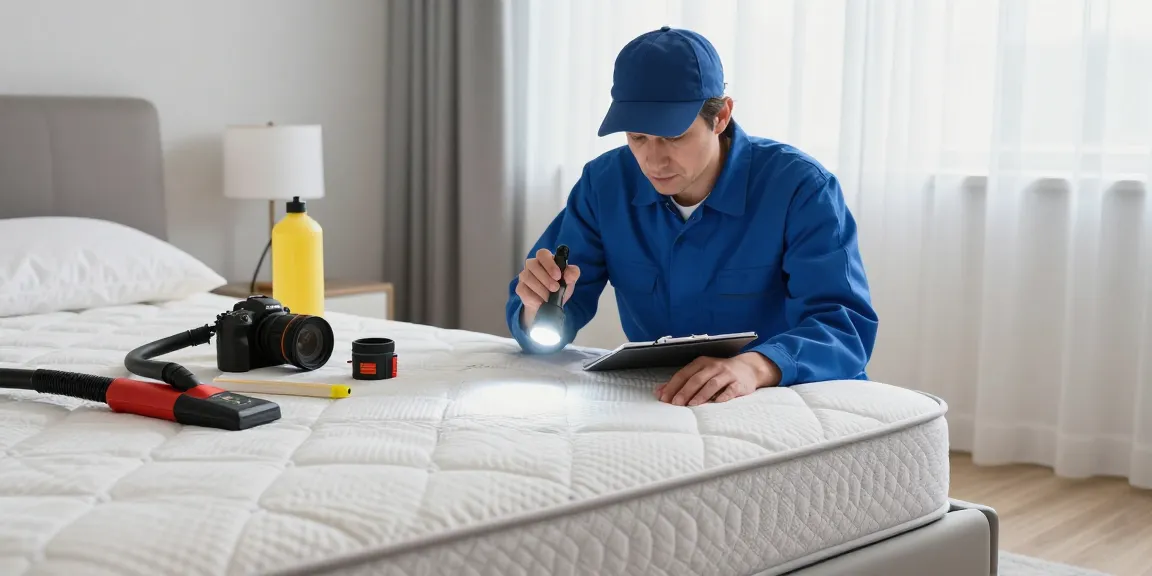
During a bed bug inspection, your exterminator will carefully examine your home for signs of infestation. This process may include checking your mattress seams, furniture, and other potential hiding places. They may also use K9 teams for effective detection, as these specially trained dogs can sniff out bed bugs more efficiently than the human eye.
What Should I Do After Treatment for Bed Bugs?
After treatment, it is important to follow the exterminator’s guidelines. Avoid reintroducing items into the treated areas until they have been confirmed as bed bug-free, and schedule follow-up inspections as recommended. This helps ensure that your home remains free from bed bugs and provides you with lasting peace of mind.