
Understanding Colonial Home Construction
Colonial home construction reflects a unique architectural style that has impressed homeowners and builders alike for generations. Renowned for its historical significance and timeless appeal, this style is rooted deeply in American history. If you’re considering embarking on a journey toward a colonial home construction, understanding its intricate details is essential.
Defining Colonial Architecture
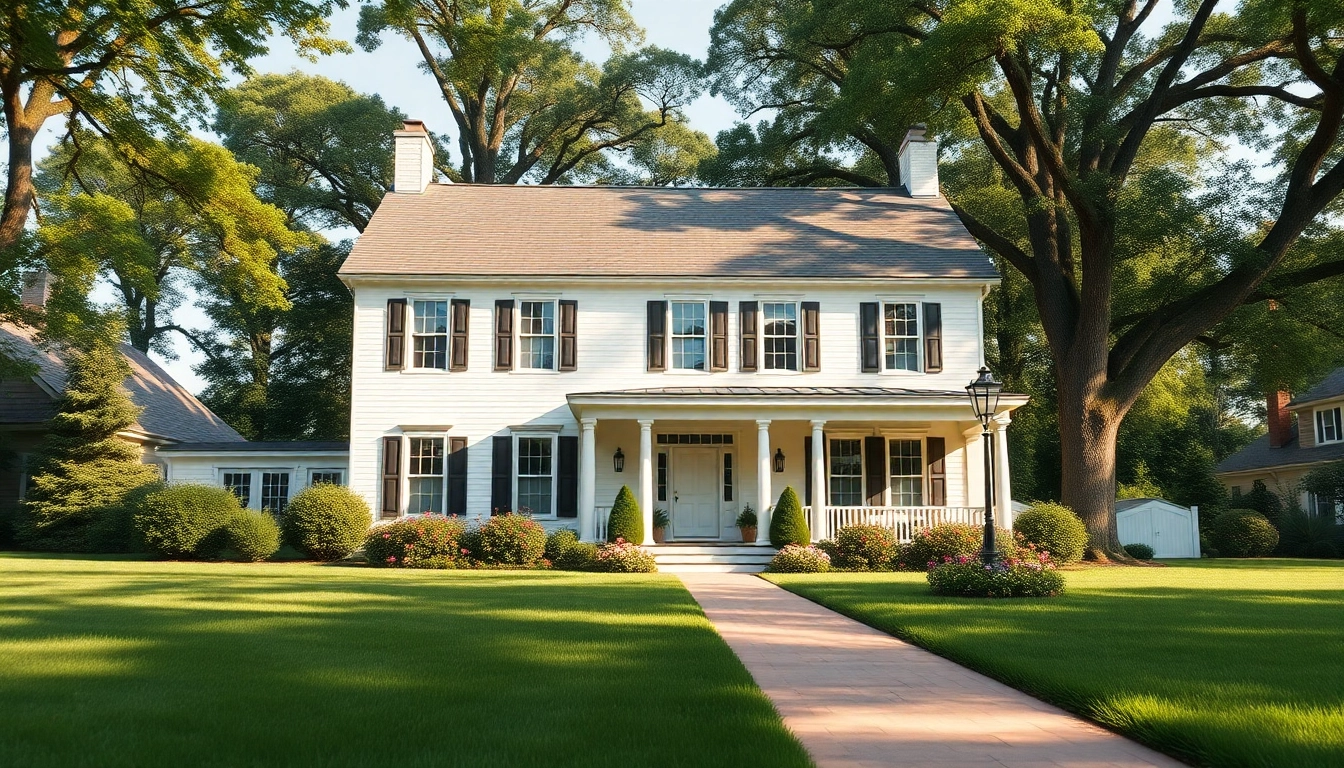
Colonial architecture is characterized by its symmetrical design, linear proportions, and classic detailing. Originating from the colonial period when European settlers established their homes in North America, this architectural form showcases the artisanship and materials of that era. Typical features include a central front door framed by windows, steep roofs, and brick or wooden façades. The simplicity and symmetry of colonial homes evoke a sense of harmony, making them timeless and desirable.
History and Evolution of Colonial Homes
The inception of colonial homes dates back to the early 17th century, as settlers brought their own architectural styles from Europe, leading to various regional adaptations. For instance, the Cape Cod style, prevalent in New England, features steep roofs and dormer windows to withstand harsh weather, while the Southern Colonial style boasts grand columns and expansive balconies suitable for warm climates. Over time, these designs evolved, integrating local materials and climate considerations, contributing to the diverse range of colonial homes we see today.
Key Characteristics of Colonial Home Construction
The key characteristics that define colonial home construction include:
- Symmetry: Most colonial homes feature a balanced design that reflects order and proportion.
- Geometric Shapes: The use of simple geometric shapes is prevalent, creating a straightforward and functional aesthetic.
- Large Windows: Colonial homes commonly have double-hung windows that provide plenty of natural light, reinforcing their elegance.
- Porches and Entrances: Grand porches or porticos with columns are often prominent, acting as a welcoming central feature of the façade.
Design Elements in Colonial Home Construction
Exterior Design Features
The exterior of a colonial home is marked by its stately appearance and classic detailing. Brick facades, clapboard panels, and natural stone are frequently employed materials, providing durability and aesthetic appeal. Roof styles often range from gable to hipped designs, enhancing the home’s overall silhouette. Furthermore, colonial homes celebrate open-air designs, with well-placed windows to create a visual connection with the surrounding landscape.
Interior Layout and Flow
Inside, colonial homes are notably characterized by their functional layouts. The central hallway typically divides the primary living spaces, leading to strategically placed rooms that provide an efficient flow. The living room, dining area, and kitchen are often located adjacent to each other, promoting accessibility and fluidity. Additionally, fireplaces play a central role in these homes, historically serving as both a heat source and a focal point for gathering.
Color Schemes and Materials
Color palettes for colonial homes are often rooted in historical significance, favoring muted tones inspired by nature. Colors such as deep greens, soft neutrals, and classic whites create an inviting atmosphere. Materials used in colonial home construction can include wood, brick, and stone, highlighting craftsmanship and tradition. The careful selection of materials and colors aligns the home with its historical roots while allowing for personalization to fit modern tastes.
Choosing the Right Location for Colonial Home Construction
Assessing Neighborhoods
Location is crucial when planning colonial home construction. Historical neighborhoods often showcase colonial architecture, providing context and aesthetic continuity. It’s advisable to assess the demographics and overall vibe of potential neighborhoods. Consider factors like local amenities, schools, and community services to ensure the environment meets your family’s needs.
Environmental Considerations
Building a colonial home requires careful consideration of environmental factors. Utilizing sustainable practices and materials can significantly impact the overall footprint of the construction. Assessing the plot’s natural features—like tree cover, geography, and sunlight exposure—can inform intelligent design decisions that enhance energy efficiency and reduce environmental impact.
Proximity to Amenities
Proximity to schools, shopping centers, parks, and healthcare facilities should also play a significant role in choosing your site. A well-located home enhances your lifestyle and ensures easy access to essential services. In addition, consider future growth potential of the area and how it may impact property value over time.
Building Regulations and Colonial Home Construction
Understanding Local Codes
Before you begin construction, understanding local building codes is imperative. Each municipality has its own regulations regarding construction standards, zoning laws, and safety requirements. Familiarizing yourself with these codes will help you avoid legal complications and ensure that your home is both safe and compliant.
Permits and Approvals
Obtaining the necessary permits is a critical step in any construction project. Check with local authorities regarding the types of approvals required for colonial home construction, which may include zoning permits and building permits. Acquiring the correct permits ensures that the project can proceed without interruptions.
Working with Architects and Contractors
Collaboration with seasoned architects and contractors who specialize in colonial home constructions will streamline your building process. These professionals can offer invaluable insights, navigate building codes efficiently, and manage the execution of your vision. Their expertise ensures a smooth workflow and adherence to design concepts.
Cost Analysis and Budgeting for Colonial Home Construction
Estimating Construction Costs
Estimating costs for colonial home construction involves evaluating various components, including land acquisition, materials, labor, and permits. It’s essential to create a detailed budget that accounts for unexpected expenses. Engaging a financial advisor or a construction specialist can help provide accurate cost assessments tailored to your project.
Financing Options for Home Builders
Exploring financing options is crucial when planning your budget. Traditional mortgages, construction loans, or personal loans are viable options. Consult with financial institutions to gauge what financing best suits your financial situation. Consider the costs associated with each option to make informed decisions.
Long-term Investment Value
Investing in colonial home construction may serve as a long-term asset. These homes typically hold their value better due to their timeless appeal and substantial craftsmanship. Factors such as location, neighborhood desirability, and maintenance contribute to the home’s long-term investment value, making this style a wise choice for many.
Frequently Asked Questions
What makes colonial homes different from other styles?
Colonial homes stand out due to their symmetry, simplicity, and use of classic materials. Their historical roots and architectural details contribute to a timeless appeal compared to more modern designs.
How can I ensure my colonial home respects historical accuracy?
Collaborate with architects who specialize in historical architecture and research the colonial style you want to replicate. Prioritize traditional materials and features to ensure authenticity.
What environmental considerations should I take into account?
Consider energy efficiency and sustainable materials when constructing a colonial home. Utilize natural resources wisely and assess land features for the best footprint.
Are colonial homes more expensive to build than modern ones?
Colonial homes can be more costly due to the traditional craftsmanship and materials required. However, their long-term value typically offsets initial investment costs.
How can I customize a colonial home without losing its essence?
Customization can include thoughtful additions or modern amenities while preserving classic elements. Focus on maintaining foundational architectural details while integrating contemporary conveniences.