
Understanding Peptides and Their Functions
What Are Peptides?
Peptides are short chains of amino acids linked by peptide bonds, considered the building blocks of proteins. They typically consist of 2 to 50 amino acids and play numerous roles in biological processes. Unlike proteins, which often have complex structures and are composed of long chains of amino acids, peptides are more straightforward in their formation and often function as signaling molecules within the body. Their significance extends beyond mere structural functions; they are crucial in regulating physiological processes, impacting everything from metabolism to immune response.
Natural vs. Synthetic Peptides
Peptides can be classified into natural and synthetic categories. Natural peptides are produced within organisms, playing roles in various biological functions, including hormone regulation and immune response. Some well-known natural peptides include insulin and glucagon. In contrast, synthetic peptides are engineered in laboratories and may differ from their natural counterparts in structure, functionality, or stability. These synthetic versions are often designed to enhance therapeutic effects or enable more controlled pharmacokinetics, making them valuable in medical research and treatment.
Peptide Mechanisms in the Body
Peptides function through specific mechanisms that influence various biological pathways. For instance, they can bind to receptors on cell surfaces, initiating a cascade of cellular responses that lead to physiological changes. This binding triggers reactions such as the release of hormones, modulation of immune responses, or even the promotion of cellular growth and repair. Their ability to act precisely at the cellular level makes peptides vital for therapeutic applications, notably in managing hormonal imbalances and neurological disorders.
Selank: A Unique Peptide Compound
Origin and Development of Selank
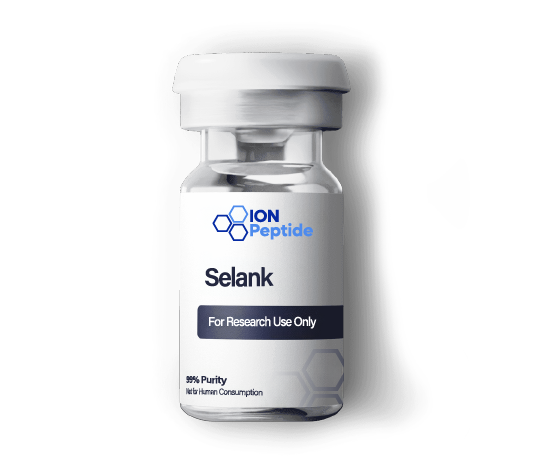
Selank is a synthetic peptide developed in Russia, deriving from the naturally occurring peptide tuftsin, which plays a role in immune modulation. Research into Selank began with a focus on its potential as an anxiolytic agent, and it has since evolved into a compound of interest not just for anxiety but for several neuropsychiatric conditions. Its structure allows it to interact effectively with neurotransmitter systems in the brain, providing a foundation for its medical applications.
Physiological Effects of Selank
The physiological effects of Selank are diverse, primarily relating to its ability to modulate anxiety, improve cognitive function, and enhance emotional stability. Users have reported reductions in anxiety levels, which are linked to alterations in the levels of neurotransmitters such as serotonin and dopamine. Furthermore, Selank has shown potential in enhancing memory and learning through its cholinergic activity, making it a substance of interest for cognitive enhancement studies.
How Selank Works in the Brain
Selank operates primarily by influencing neurotransmitter systems in the brain. It appears to enhance the production of brain-derived neurotrophic factor (BDNF), which plays a critical role in neuronal growth and function. Additionally, Selank can downregulate cortisol release, a stress hormone, thereby contributing to its anxiolytic properties. These mechanisms suggest that Selank not only alleviates anxiety but also promotes overall cognitive health by supporting neuronal integrity and communication.
Applications of Selank in Healthcare
Selank for Anxiety and Stress Management
One of the primary applications of Selank is in the management of anxiety and stress-related disorders. Clinical studies indicate that Selank can reduce anxiety symptoms without the side effects commonly associated with conventional anxiolytics such as benzodiazepines. Its unique mechanism of action as a neuropeptide allows it to regulate mood and emotional balance effectively, offering a promising alternative for those seeking relief from anxiety.
The Role of Selank in Cognitive Enhancement
Research suggests that Selank not only aids in reducing anxiety but also enhances cognitive performance. Users have reported improvements in memory, focus, and learning abilities, making it a topic of interest for cognitive enhancement in both clinical and academic settings. Selank’s interaction with the cholinergic system and its influence on neuroplasticity and neuronal health support its role as a cognitive enhancer, potentially benefiting students and professionals seeking improved mental performance.
Potential Uses in Neurological Disorders
Beyond anxiety and cognitive enhancement, Selank shows promise in addressing various neurological disorders, including depression and post-traumatic stress disorder (PTSD). Its neuroprotective properties and ability to modulate neurotransmitter systems make it a potentially effective therapeutic agent. Ongoing research aims to establish its efficacy in treating these conditions, with preliminary findings suggesting positive outcomes.
Dosage and Administration of Selank
Recommended Dosage Guidelines
The optimal dosage of Selank can vary based on individual needs and specific therapeutic goals. However, general guidelines suggest administering between 300 to 600 micrograms per dose, with frequency varying based on the condition being treated. It is essential for users to consult healthcare professionals to determine the most suitable dosage tailored to their specific health circumstances.
Administration Routes for Maximum Effectiveness
Selank is typically administered via intranasal or subcutaneous routes, both of which allow for efficient absorption into the bloodstream. The intranasal route is particularly advantageous as it bypasses first-pass metabolism, ensuring a higher bioavailability. When considering administration methods, users should choose the one that aligns with their comfort level and healthcare provider recommendations.
Considerations and Precautions When Using Selank
While Selank is generally regarded as safe, users should exercise caution and adhere to guidelines to mitigate potential side effects. It is crucial to avoid exceeding recommended dosages and to consult healthcare professionals before starting therapy, especially for individuals with underlying health conditions or those taking other medications. Monitoring for adverse effects is also advisable to ensure a positive therapeutic experience.
Future Directions in Peptide Research
Emerging Peptides in Clinical Trials
As research into peptides continues to advance, numerous new compounds are emerging in clinical trials. These emerging peptides may have applications in treating a wide range of conditions, from metabolic disorders to neurodegenerative diseases. The future of peptide therapy appears promising, with ongoing studies aimed at establishing efficacy and safety profiles for these novel agents.
Advancements in Peptide Delivery Systems
Recent advancements in peptide delivery systems hold the potential to enhance the efficacy and stability of peptide-based therapies. Innovations in nanotechnology, for instance, are being explored to improve bioavailability and targeted delivery of peptides, thereby maximizing their therapeutic effects while minimizing side effects. As these technologies continue to evolve, they could revolutionize the peptide therapeutic landscape.
Ethical Considerations in Peptide Research
The proliferation of peptide research also brings forth ethical considerations that warrant attention. Topics such as the use of peptides for enhancement in healthy individuals, thus raising concerns about fairness and accessibility, are part of ongoing debates in the scientific community. It is vital for researchers and policymakers to navigate these ethical challenges carefully as they pave the way for future peptide research and applications.