
The Latest in Dentists News: 2026 Trends and Innovations
As the field of dentistry evolves rapidly, staying informed about the latest trends and innovations is crucial for dental professionals seeking to provide the best care possible. With advancements in technology, changes in regulations, and shifts in patient expectations, understanding the dynamic landscape of modern dental practice is essential. For those looking to stay ahead, platforms offering comprehensive insights, such as Dentists news, can be invaluable resources. This article delves into the key trends and innovations that will shape the practice of dentistry in 2026.
Emerging Technologies in Dental Care
Technology continues to be a game-changer in the dental industry. From 3D printing to artificial intelligence and teledentistry, these innovations are streamlining processes and improving patient outcomes. One notable advancement is the integration of augmented reality (AR) in treatment plans. AR enables dentists to visualize the outcome of procedures, ensuring greater precision and enhancing patient communication.
Moreover, teledentistry has become a vital resource, allowing patients to consult with their dental care providers remotely. This not only increases access to care but also optimizes clinic workflows. As we move into 2026, it’s expected that these technologies will become more ubiquitous, making it essential for practices to adapt and integrate these tools effectively.
Importance of Staying Informed on Industry Changes
With the rapid pace of change within dentistry, continuous education and awareness are paramount. Dentists need to stay updated on the latest research, technological advancements, and regulatory changes affecting their practices. By participating in professional organizations and attending workshops or webinars, dental professionals can gain critical insights that inform their practice strategies.
Anticipated Developments in Dental Equipment
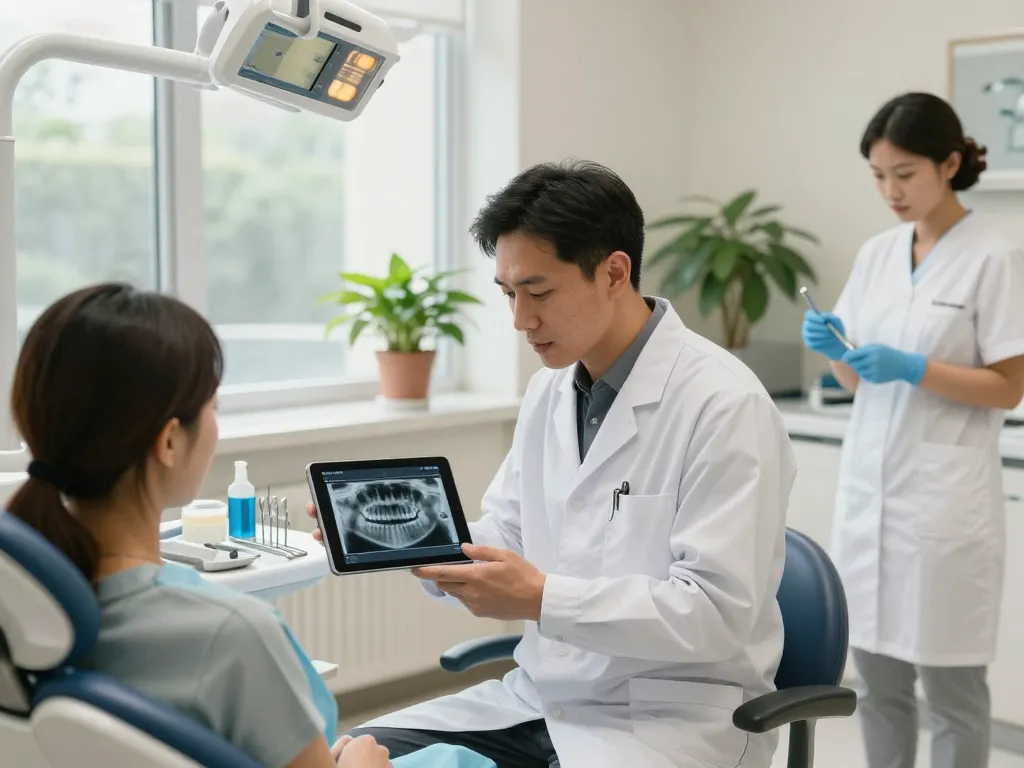
As we approach 2026, several trends in dental equipment are expected to emerge. Enhanced chairside equipment with integrated digital tools, including diagnostic imaging and treatment planning software, will become standard in many practices. Additionally, advancements in sterilization technology will further improve patient safety and compliance with health regulations.
Furthermore, manufacturers are focusing on creating more ergonomic and user-friendly instruments that enhance the dentist’s workflow while ensuring patient comfort. Practices that invest in these advanced tools will likely see a marked increase in patient satisfaction and operational efficiency.
Understanding the Impact of New Regulations
The regulatory landscape for dentistry is continually evolving, necessitating that dental practices remain vigilant and adaptable. In 2026, upcoming policies and guidelines will likely impose new requirements on dental professionals. Understanding these changes is not just about compliance; it’s about ensuring the highest standards of care for patients.
How 2026 Policies Affect Dental Practices
New state and federal regulations may dictate everything from infection control standards to patient privacy protocols. Dentists must familiarize themselves with these changes to ensure compliance and avoid potential penalties. The introduction of more stringent data protection laws, for example, will require practices to adopt better cybersecurity measures to protect patient information.
Staying Compliant with Changing Guidelines
Adapting to new regulations can be daunting. However, developing a robust compliance strategy can help mitigate risks. Regular staff training sessions and updates on best practices will ensure all team members are informed and prepared. Implementing a compliance checklist can also help practices stay organized.
Strategies for Effective Communication During Transitions
Effective communication is essential during periods of change. Both staff and patients must be kept informed about new practices and policies to foster understanding and cooperation. Regular meetings and educational resources can help ensure that everyone is aligned with the current regulations and standards.
Maximizing Patient Experience with Advanced Tools
In a competitive market, providing an exceptional patient experience is crucial for the success of any dental practice. Advanced tools and technologies can enhance this experience, making visits more efficient and enjoyable for patients.
The Role of Technology in Enhancing Dental Procedures
Technological tools such as digital impressions, intraoral cameras, and laser dentistry have transformed how procedures are performed and how patients perceive their care. These advancements not only reduce treatment times but also improve the accuracy of diagnoses and outcomes.
How to Implement New Tools Effectively
To maximize the benefits of new technologies, dental practices should ensure proper training for their staff. This can include hands-on workshops and online training modules to familiarize the team with new equipment and software. A smooth transition is crucial to maintain high levels of patient care and satisfaction.
Real-world Examples of Improved Patient Satisfaction
Many practices that have embraced technology report significant improvements in patient satisfaction. For instance, clinics that use virtual consultation platforms have seen an increase in patient engagement and retention. Additionally, practices equipped with advanced imaging tools often report enhanced treatment acceptance rates due to better patient understanding of their dental issues.
Best Practices for Dentists: Adapting to Market Changes
As market trends shift, dental professionals must remain agile and responsive to both patient needs and industry changes. Below are some best practices for ensuring ongoing success and adaptability.
Understanding Patient Needs in 2026
Patient expectations are constantly evolving, driven by broader changes in healthcare and technology. In 2026, dentists should prioritize understanding their patients’ preferences regarding treatment options, communication styles, and overall experience. Gathering feedback through surveys and direct communication can provide valuable insights.
Training Staff on New Technologies and Methods
Investing in staff training is essential for any practice looking to implement new technologies. Programs that focus on improving technical skills and customer service can enhance the quality of care provided. Additionally, fostering a culture of continuous learning can keep the team motivated and engaged.
Leveraging Feedback for Continuous Improvement
Incorporating patient feedback into practice improvement strategies can have a profound impact. Regularly reviewing feedback and implementing changes based on patient needs can lead to a more patient-centered approach, ultimately resulting in better satisfaction and loyalty.
Future of Dentistry: Predictions for 2030 and Beyond
Looking ahead, the future of dentistry is poised for significant evolution driven by technological advancements and changing consumer demands. Understanding these trends will help dental professionals prepare for what lies ahead.
How Current Trends Shape Future Practices
The integration of artificial intelligence and machine learning in diagnostics and treatment planning is set to become commonplace. As these technologies develop, they will provide dental professionals with enhanced tools for precision and efficiency, paving the way for more personalized patient care.
Preparing for the Next Wave of Innovations
Practices should stay informed about emerging technologies and be willing to invest in relevant innovations. Keeping abreast of industry research and participating in professional networks can help practitioners stay ahead of the curve.
Expert Insights on the Evolving Landscape of Dentistry
Industry experts emphasize the importance of adaptability in the face of change. Embracing a forward-thinking mindset will be crucial for dental professionals aiming to thrive in this dynamic environment. Continuous education, technological investment, and a focus on patient satisfaction will be key drivers of success in the years to come.