
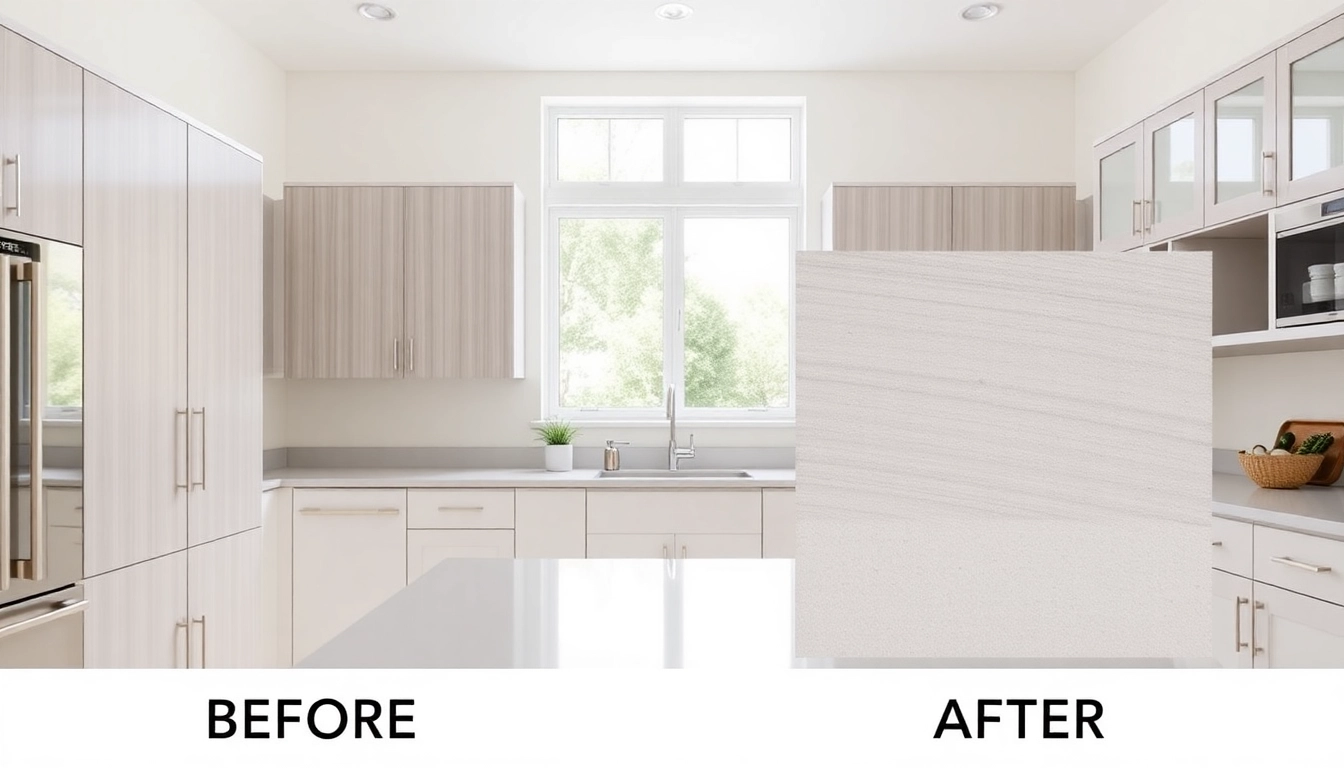
Understanding Cabinet Refacing Largo FL
What is Cabinet Refacing?
Cabinet refacing is a transformative process that revitalizes your kitchen or bathroom without the extensive cost and hassle of complete cabinet replacement. In this procedure, the existing cabinetry structure remains intact while the outer surfaces are updated with new materials such as wood, laminate, or veneers. This approach can effectively change the appearance of your cabinets, giving them a fresh and modern look while preserving their functional framework. This makes cabinet refacing an attractive option for homeowners seeking to enhance their spaces economically and efficiently. For comprehensive service details for Cabinet Refacing Largo FL, consider exploring local solutions.
Benefits of Cabinet Refacing
- Cost-Effective: Refacing is significantly less expensive than a full cabinet remodel, as it utilizes the existing cabinet structures, reducing materials and labor costs.
- Time-Saving: The process of refacing can often be completed in just a few days, making it a quicker alternative to replacement.
- Eco-Friendly: Refacing minimizes waste by reusing existing cabinets rather than discarding them, which is better for the environment.
- Customization: Homeowners have the option to choose from a variety of styles, colors, and finishes to align with their aesthetic preferences.
- Increased Home Value: Updated cabinets can enhance the overall appeal of your home, making it more attractive to potential buyers.
Differences Between Refacing and Replacing
Understanding the distinction between refacing and replacement is crucial for making informed decisions about your kitchen or bathroom renovation. Refacing involves updating only the exterior of the cabinets, whereas replacing entails removing and discarding the entire cabinetry system. The refacing process provides a new look while maintaining the existing frames, making it a sustainable option. In contrast, replacement can be more disruptive, time-consuming, and expensive, requiring complete removal and installation of new cabinetry.
Preparing for Your Cabinet Refacing Project
Assessing Your Current Cabinets
The first step in preparing for a cabinet refacing project involves evaluating the condition of your current cabinets. Look for signs of wear and tear, such as scratches, dents, or water damage. Also, ensure that the structural integrity of the cabinets is solid. If the cabinets are sturdy, refacing is an ideal solution to refresh their look. Consider the layout and functionality of your kitchen or bathroom as well. A well-planned assessment will help you make informed decisions about the style and materials for your refacing project.
Choosing the Right Materials
When selecting materials for your cabinet refacing project, consider both aesthetics and durability. High-quality veneers, laminates, or solid wood can provide a beautiful finish. It’s essential to choose materials that complement your home’s overall design and withstand daily wear. Additionally, consider the texture and finish, whether you prefer a matte, glossy, or textured look. Proper material selection not only enhances the appearance but also contributes to the longevity of your cabinets post-refacing.
Budget Considerations
Establishing a budget is vital when planning your cabinet refacing project. Depending on the scope of work, costs can vary widely. On average, homeowners can expect to invest a fraction of what a full cabinet replacement would cost. It’s advisable to seek multiple quotes from different contractors, inquire about material prices, and account for labor costs. Be sure to set aside an additional contingency budget for unforeseen expenses that may arise during the project.
Step-by-Step Cabinet Refacing Process
Removing Existing Fixtures and Doors
The process begins with the careful removal of existing cabinet doors, drawers, and hardware. It is essential to handle these components gently to avoid damage. Documenting the process and labeling parts can facilitate easy reassembly later. Depending on the complexity, a professional can ensure that the removal is done correctly, preventing any misalignment or damage to the cabinet frame.
Applying New Veneer
Once the existing components are detached, the next step is to apply the new veneer or laminate to the cabinet frames. This process involves measuring, cutting, and adhering the veneer securely to ensure a seamless look. The application might require specialized tools and techniques, emphasizing the importance of hiring experienced professionals who can deliver a flawless finish that enhances the cabinet’s overall aesthetic.
Installing New Hardware
Finally, the new cabinet doors and drawers need to be fitted with new hardware, which includes knobs, handles, and hinges. When selecting hardware, consider the style and functionality that best suits your cabinets. The right hardware not only adds visual flair but also enhances the user experience. A well-executed installation adds a polished touch to the newly refaced cabinets and completes the transformation.
Design Ideas for Cabinet Refacing Largo FL
Color Trends and Finishes
Color selection plays a crucial role in the impact of cabinet refacing. Popular trends include bold colors like navy blue or emerald green, as well as classic shades like white and gray. Combining different finishes, such as matte and gloss, can create depth and interest. Additionally, consider incorporating a two-tone approach, where lower cabinets are painted in a bolder hue while upper cabinets remain neutral for a striking contrast.
Incorporating Unique Hardware
The right hardware can elevate the design of refaced cabinets remarkably. Opt for unique shapes, textures, or vintage-inspired pieces that reflect personal style. Hardware finishes like brushed nickel, gold, or matte black can also provide a modern touch. Customizing hardware can give cabinets a bespoke appearance, making them stand out as distinct features in your kitchen or bathroom.
Combining Styles for Personal Touches
Another way to personalize your cabinet refacing project is by incorporating different design styles. For example, combining modern sleekness with rustic wood accents can produce an eclectic and unique look. This approach allows homeowners to reflect their personality through design elements, creating a space that feels tailored and inviting.
Maintaining Your Refaced Cabinets
Cleaning Tips for Longevity
To preserve the beauty of your refaced cabinets, establish a routine cleaning regimen. Use a gentle cleanser and soft cloth to avoid scratching the surface. Avoid harsh chemicals and abrasive materials that can damage the finish. Regular cleaning not only keeps your cabinets looking great but also prolongs their lifespan and functionality.
Repairing Minor Damage
Accidents happen, and minor damages may occur over time. Be proactive in managing these issues by learning simple repair techniques. For scratches, a matching wood filler can be used to fill in imperfections. For deeper gouges, sanding and refinishing the affected area can restore the cabinet’s appearance. Maintaining a repair kit on hand can help address small problems quickly.
Periodic Maintenance Practices
In addition to regular cleaning and minor repairs, periodic maintenance checks are essential. Inspect hinges, handles, and joints for any wear or loose fittings. Adjustments may be necessary to keep doors aligned and functional. A little maintenance goes a long way in preserving the quality of your refaced cabinets for years to come.
Frequently Asked Questions
1. How long does cabinet refacing take?
Typically, cabinet refacing can take anywhere from a few days to a week, depending on the size of your project and the contractor’s schedule.
2. Can I customize the design of my cabinets during the refacing process?
Yes, cabinet refacing allows you to choose colors, finishes, and hardware to customize the look of your cabinets according to your style preferences.
3. Is cabinet refacing a DIY project?
While some homeowners may attempt DIY refacing, hiring professionals ensures a quality finish and reduces the risk of errors during the process.
4. What is the difference between laminate and veneer?
Laminate is a man-made material that offers a wide variety of colors, while veneer is a thin layer of real wood applied to surfaces for a natural look.
5. How often should I maintain my refaced cabinets?
Regular cleaning should be done monthly, while inspections and minor repairs should occur every six months to ensure they remain in good condition.