
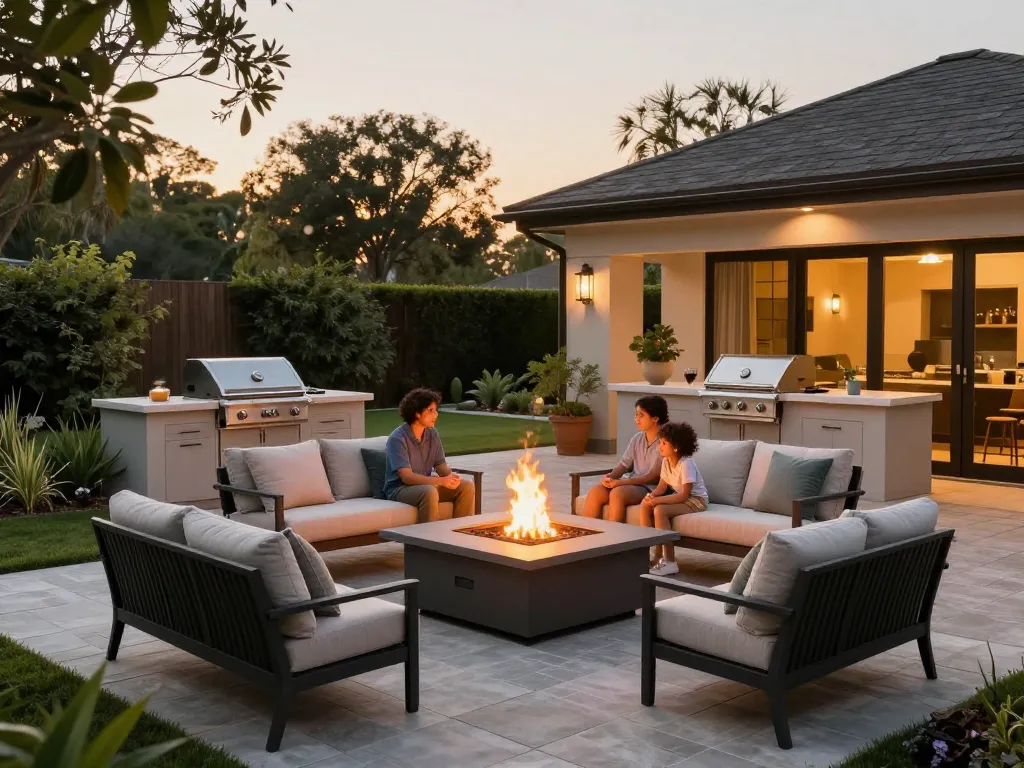
Understanding the Basics of Paver Installation
Paver installation is a significant aspect of enhancing outdoor spaces, offering both aesthetic appeal and functional advantages. When considering how to elevate your property, understanding the fundamentals of pavers is essential. Whether you’re looking to create a welcoming patio, a functional walkway, or an elegant driveway, knowledge about pavers can significantly impact your choice and satisfaction. For those exploring options for their outdoor projects, Paver companies near me can provide comprehensive insights into materials, installation procedures, and design possibilities.
What are Pavers and Their Benefits?
Pavers are concrete, brick, or stone blocks used for paving surfaces such as driveways, patios, and walkways. Their popularity stems from several advantages:
- Durability: Pavers are designed to withstand heavy loads and resist cracking.
- Aesthetic Variety: Available in various textures, colors, and styles, they can complement any home design.
- Installation Flexibility: Pavers can be arranged in numerous patterns, allowing for creative designs.
- Low Maintenance: Regular cleaning and occasional sealing can keep pavers looking new for years.
Different Types of Pavers Available
There are several types of pavers available, each suited for different applications:
- Concrete Pavers: These are the most common and come in various designs, colors, and shapes.
- Brick Pavers: Known for their classic look, brick pavers provide a timeless aesthetic but may require more maintenance.
- Natural Stone Pavers: Made from materials like granite, limestone, and slate, these pavers offer exquisite beauty and uniqueness at a higher price point.
- Pervious Pavers: Designed to allow water infiltration, they help manage stormwater runoff effectively.
Key Factors Influencing Paver Costs
The cost of paver installation can vary greatly based on several factors:
- Material Selection: Higher-quality materials will inevitably cost more.
- Site Preparation: The existing condition of the installation site can impact labor costs; additional grading or excavation may be needed.
- Design Complexity: Intricate designs require more planning and labor, increasing the overall cost.
- Location: Costs can vary based on geographic region and local market conditions.
Finding Reliable Paver Companies Near Me
When it comes to hiring a professional for your paver installation, evaluating local services is essential. A quality contractor can ensure that your project is completed efficiently, on time, and within budget, resulting in an outdoor space you can be proud of.
Evaluating Local Paver Installation Services
To identify the best paver companies in your area, consider the following criteria:
- Experience: Look for companies with at least five years of experience in paver installation.
- Certifications: Ensure that the company is certified and authorized, like Arriaga Pavers, to guarantee quality work.
- Portfolio: Review their past projects, looking for diversity and quality in their work.
- Warranties: Ask about warranties on both workmanship and materials, which can safeguard your investment.
What to Look for in a Professional Contractor
Aside from evaluating credentials, consider the contractor’s approach to customer service:
- Communication: A good contractor should be responsive and open to discussing your ideas and concerns.
- References: Request references from previous clients to gauge satisfaction levels.
- Estimates: Obtain multiple estimates; a reputable contractor will provide a transparent quote detailing labor and materials.
Insights from Customer Reviews and Testimonials
Word-of-mouth is invaluable in the contracting business. Online reviews can provide a sense of a company’s reliability and quality:
- Positive Reviews: Frequent praises for quality work and customer service can point to a trustworthy company.
- Consistent Feedback: Look for patterns in reviews, especially if multiple customers mention similar issues or strengths.
Common Paver Installation Challenges
While paver installation can enhance your property, it’s not without its challenges. Understanding these potential issues can help you prepare and mitigate risks effectively.
Soil and Drainage Issues
Soil stability is crucial for a successful installation. Poor drainage can lead to shifting or sinking pavers. Here are some considerations:
- Soil Testing: Conduct soil tests to determine the composition and drainage capacity.
- Drainage Solutions: Implement proper grading and drainage systems to divert water away from paved surfaces.
Weather-Related Concerns and Solutions
Paver installation can be impacted by weather conditions, especially during extreme heat or rain. Consider these strategies:
- Optimal Scheduling: Plan installations during mild weather to avoid complications from heat or heavy rain.
- Material Preparation: Ensure materials are acclimated to the environment prior to installation.
Budgeting for Unexpected Expenses
No project is completely predictable. Always budget for unexpected costs, which can arise from:
- Site Preparation: Unforeseen issues such as large roots or underground utilities can increase labor and material costs.
- Design Changes: Modifications to the project can lead to additional expenses; thus, having a flexible budget is beneficial.
Maximizing the Life of Your Paver Installations
Once your pavers are installed, it’s essential to maintain them properly to ensure their longevity and aesthetic appeal.
Routine Maintenance Tips for Paver Patios
Regular maintenance will keep your paver patio looking new:
- Cleaning: Use a broom or pressure washer to remove dirt and debris periodically.
- Sealing: Applying a sealant can protect against stains and enhance color.
Restoration Techniques for Aging Pavers
As pavers age, they may require restoration techniques to keep them functional:
- Re-Sanding Joints: Adding polymeric sand can prevent weed growth and stability in paver joints.
- Replacement: If individual pavers are damaged, replace them rather than the entire surface.
Seasonal Preparations for Paver Surfaces
Different seasons can pose unique challenges, so be prepared:
- Winter Preparation: Avoid using rock salt on pavers; instead, opt for alternatives to prevent damage.
- Summer Care: Ensure thorough cleaning before the peak heat to maintain appearance and safety.
Future Trends in Paver Design and Technology
The paver industry continues to evolve, influenced by design trends, technology, and sustainability.
Innovative Materials and Sustainable Options
New materials are enhancing the quality and environmental footprint of pavers:
- Recycled Materials: Many companies now offer pavers made from recycled materials, reducing environmental impact.
- Sustainable Manufacturing: Look for products that are manufactured with water-saving and energy-efficient processes.
Emerging Design Trends for 2026
As we move into 2026, several design trends are gaining traction:
- Textured Surfaces: Pavers with rich textures can create visually appealing outdoor spaces.
- Color Blending: Custom colors and blended pavers are trending for unique outdoor aesthetics.
Incorporating Technology in Outdoor Spaces
Technology is making its way into outdoor design, enhancing functionality:
- Smart Lighting: Integrating smart lighting into paved areas can enhance safety and ambiance.
- Drainage Solutions: Innovative systems are evolving for better stormwater management in paved areas.
What Should I Expect from a Paver Installation Project?
A typical paver installation project involves several stages, including consultation, design, installation, and final inspection:
- Consultation: Discuss your vision and preferences with your contractor.
- Design Plan: A detailed design plan will be created for your review and approval.
- Installation: Professional installation will occur, ensuring adhering to safety and aesthetic standards.
- Final Walkthrough: Inspect the completed project to ensure satisfaction.
How Long Do Paver Installations Last?
With proper installation and maintenance, paver installations can last anywhere from 20 to over 50 years, depending on the material and usage. The key is routine care and addressing any issues promptly.
Are Pavers Better Than Concrete?
Many homeowners prefer pavers over concrete due to their aesthetic appeal, durability, and ease of maintenance. Unlike poured concrete, pavers are less likely to crack and can be easily replaced without significant disruption.
How to Choose the Right Paver Style for My Home?
Consider your home’s existing architecture, the intended use of the space, and personal style when selecting paver styles. Consulting with a professional can provide valuable insights into what will work best for your home.
What’s the Best Time of Year for Paver Installation?
The ideal time for installation typically falls in the spring and fall—during mild weather conditions that ensure optimal installation and durability.
How Much Do Paver Companies Near Me Charge?
The cost of paver installation can vary widely, generally ranging from $10 to $25 per square foot, depending on material choice and complexity of the project. Obtaining multiple quotes will help in understanding local market pricing.