Introduction to Best LVP Flooring
In the arena of home improvement and interior design, selecting the appropriate flooring can significantly impact the aesthetics, functionality, and value of your living spaces. Among various flooring options, best lvp flooring, or luxury vinyl plank flooring, has gained immense popularity due to its versatility and cost-effectiveness. Whether you are remodeling your home, building a new one, or simply looking to rejuvenate a specific room, understanding what makes LVP flooring advantageous is essential.
What is LVP Flooring?
LVP flooring is a synthetic floor covering that mimics the appearance of wood or stone while providing the durability of vinyl. Made from multiple layers, LVP features a photographic layer that realistically replicates the texture and visuals of natural materials. It is available in various styles and finishes, allowing homeowners to achieve the desired aesthetic without breaking the bank. The structure typically includes a backing layer, a vinyl core, a photographic layer, and a clear wear layer, enhancing its resilience against scratches and wear.
Benefits of Best LVP Flooring
Choosing the best lvp flooring offers numerous advantages:
- Durability: LVP is designed to withstand high traffic areas, making it ideal for families and pets. Its layered construction protects against scratches, stains, and moisture.
- Water Resistance: Unlike traditional hardwood, LVP is completely waterproof, making it suitable for kitchens, bathrooms, and basements.
- Easy Maintenance: Cleaning LVP is straightforward, requiring only regular sweeping and occasional mopping.
- Installation Flexibility: LVP can be installed over most existing floors without the need for additional underlayment, facilitating a quicker remodel.
- Cost-effectiveness: LVP generally costs less than hardwood and real stone while providing a similar aesthetic appeal.
Why Choose LVP Over Other Flooring Types?
When comparing LVP flooring to other flooring types like hardwood, laminate, and ceramic tile, several aspects make it standout. Unlike hardwood, LVP doesn’t warp or swell in humid conditions, and it doesn’t require refinishing. While laminate is typically less expensive, it does not provide the same level of durability or sound absorption as LVP. Ceramic tiles, while highly durable, may crack under pressure and require a longer installation time due to their weight and the need for grout. Thus, the best lvp flooring strikes a perfect balance between cost, aesthetic appeal, and practical usability.
Understanding the Installation Process
Installation is a critical phase in acquiring the best lvp flooring. Ensuring proper installation will maximize the longevity and performance of your flooring choice.
Preparing Your Space for Best LVP Flooring
Preparation is vital for a successful installation. Begin by clearing the room of furniture and existing flooring materials. Thoroughly clean the subfloor to remove debris, dust, and potential contaminants. Ensure that the surface is dry, flat, and smooth, as imperfections can affect the performance and aesthetics of LVP. Acclimating the LVP for 48 hours at room temperature can also help prevent issues related to expansion or contraction post-installation.
DIY Installation vs. Professional Help
Deciding between a DIY installation and hiring a professional depends on various factors, including skill level, time, and budget. If you are handy and enjoy home improvement projects, installing LVP can be a rewarding experience. Click-lock systems make installation straightforward, enabling you to complete it swiftly. However, if you are unsure about your skills or if the project involves intricate layouts, it may be wise to enlist professional help. This can guarantee that your installation meets manufacturer standards, enhancing performance and minimizing future issues.
Common Installation Mistakes to Avoid
Even experienced DIYers can make mistakes during installation. Here are common pitfalls to avoid:
- Skipping the acclimation: Not acclimating the flooring can lead to significant issues post-installation, such as buckling or gapping.
- Poor subfloor preparation: Failing to ensure a clean and smooth subfloor can compromise the look and longevity of your LVP.
- Improper spacing: Not leaving adequate expansion gaps along walls can cause the LVP to push against each other, leading to deformation.
- Incorrect underlayment: Choosing the wrong underlayment can increase sound transmission and diminish the overall performance of the flooring.
Maintaining Your LVP Flooring
Caring for your LVP flooring is essential for preserving its beauty and functionality over time.
Day-to-Day Cleaning Tips
Regular maintenance ensures your LVP remains attractive and performs well. Daily sweeping with a soft broom or vacuum without a beater bar prevents dust and dirt build-up. For deeper cleaning, use a damp mop with a manufacturer-approved cleaner to avoid damage. Avoid products containing harsh chemicals or abrasive scrubs that can scratch the surface.
Preventing Damage to Best LVP Flooring
Preventive measures can also preserve your flooring. Use felt pads under furniture to avoid scratching. Avoid dragging heavy items across the floor and use area rugs in high-traffic zones. For wet areas, promptly wipe up spills to avoid extending exposure to moisture, and consider applying a sealant for added protection in kitchens and bathrooms.
Long-term Care Strategies
For sustained performance, regularly check for wear and tear. Reapplying polish or a surface sealant every few years can enhance durability. Be cautious during extreme weather changes; for instance, consider using mats at entryways to reduce dirt and moisture entering the home. Keep in mind that LVP can sometimes be subject to fading due to prolonged sunlight exposure; using shades and protective films on windows can mitigate this.
Design Ideas with Best LVP Flooring
Enhancing your home with LVP flooring extends beyond its functional benefits; it also presents a variety of design opportunities.
Complementing Your Decor
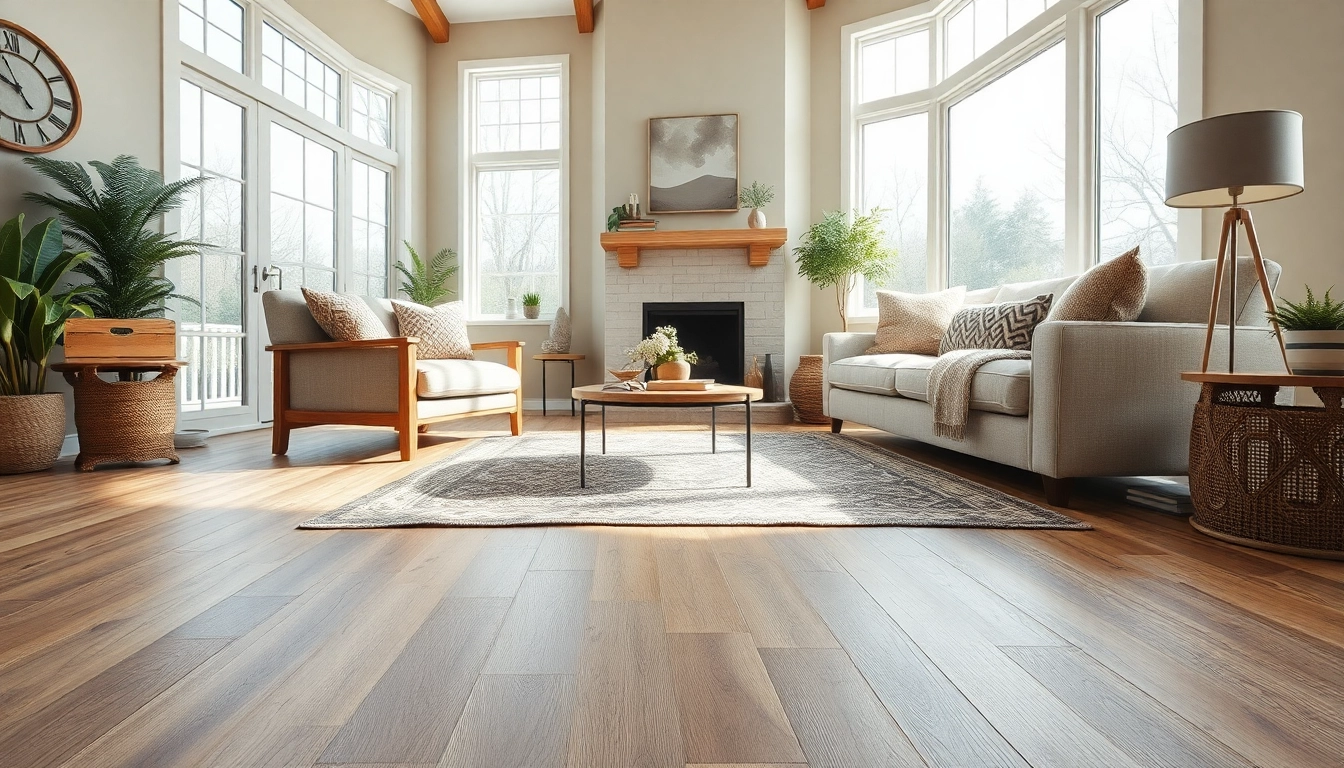
When incorporating best lvp flooring into your interior spaces, consider the overall theme of your decor. For modern designs, opt for LVP that mimics light oak or gray tones to create a clean, minimalist look. For rustic settings, darker woods can accentuate warmth and coziness, providing an inviting atmosphere.
Best Color Palettes for LVP
Color selection plays a pivotal role in establishing the desired ambiance. Neutral colors like beige, taupe, and soft gray can provide a versatile backdrop, allowing accents of color through furnishings and decor. Vibrant colors in the LVP can create striking contrasts; for instance, pairing navy or deep green LVP with lighter furnishings creates a bold yet harmonious look.
Incorporating Rugs and Accessories
Area rugs can not only improve comfort but also enhance the aesthetic appeal of your floors. Choose rugs that both protect high-traffic areas and complement your overall design scheme. Consider layering rugs over LVP for added texture and visual interest, using patterns that balance or contrast with your flooring choice.
Frequently Asked Questions
What is the lifespan of best lvp flooring?
The lifespan of best lvp flooring typically ranges from 15 to 25 years, depending on the quality of the product and maintenance practices.
Can you install best lvp flooring in bathrooms?
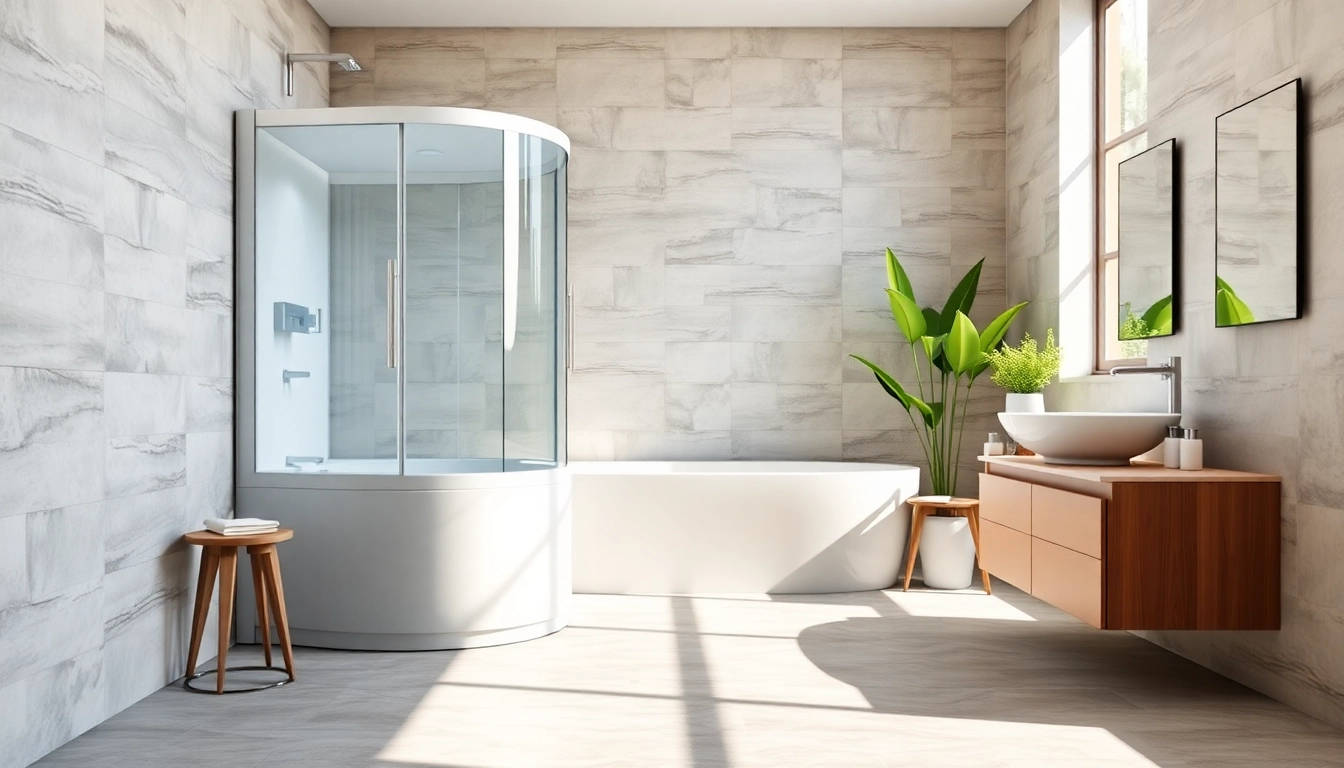
Yes, best lvp flooring is waterproof, making it an excellent choice for bathrooms where moisture exposure is high.
How does best lvp flooring compare in cost?
Best lvp flooring is often more affordable than genuine hardwood and high-quality ceramic tiles, providing great value for its durability and appearance.
Is best lvp flooring suitable for pets?
Yes, best lvp flooring is resistant to scratches and stains, making it suitable for homes with pets. Its waterproof property further enhances its suitability.
Can best lvp flooring be refinished?
Unlike hardwood, best lvp flooring cannot be refinished. However, with proper care, it can maintain its appearance for many years.