
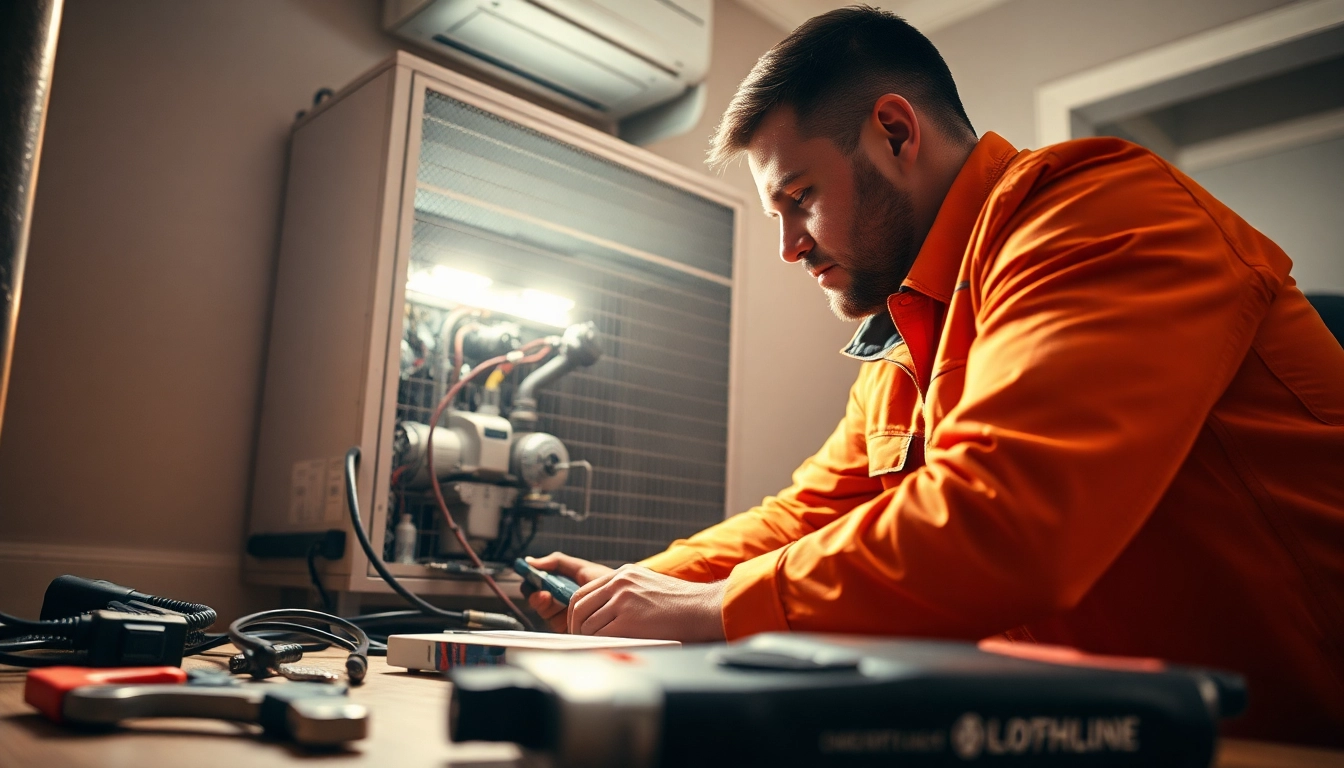
Understanding the Importance of Emergency HVAC Repair BC
When an HVAC system fails, it can lead to uncomfortable and potentially dangerous situations, especially during extreme weather conditions. The need for reliable and prompt emergency hvac repair bc cannot be overstated, as it directly influences comfort, safety, and overall health. In this guide, we will explore necessary insights surrounding emergency HVAC repairs, helping you understand when to act and how to respond effectively.
What Constitutes an HVAC Emergency?
An HVAC emergency is typically defined as a problem that requires immediate professional intervention to prevent safety risks, further mechanical damage, or a significant drop in indoor comfort levels. Common examples include:
- No heating in winter: Exposure to cold temperatures can pose serious health threats.
- No cooling in extreme heat: High temperatures can lead to heat-related illnesses, particularly among vulnerable populations.
- Unusual noises or smells: These can indicate serious internal issues that may worsen if not addressed.
Common Scenarios That Require Immediate Attention
Recognizing scenarios that necessitate urgent HVAC repair is vital. Common emergencies include:
- Sudden loss of heat during severe winter storms.
- Air conditioner breakdown on the hottest day of the year.
- Burning smells or visible smoke from furnace systems.
Each of these scenarios not only disrupts comfort but can also pose health hazards, underscoring the importance of prompt action.
Health Risks Associated with Delayed Repair
Delayed HVAC repairs can result in significant health risks, including:
- Hypothermia: Prolonged exposure to cold can lead to dangerous health conditions.
- Heat exhaustion or heat stroke: Lack of cooling can have severe implications in high temperatures.
- Respiratory issues: Poor air quality due to malfunctioning HVAC systems can lead to respiratory distress.
It’s crucial to prioritize health and safety by addressing HVAC issues as soon as they arise.
How to Identify HVAC Problems Early
Early detection of HVAC problems can save homeowners from costly repairs and dangerous situations. Here are key indicators to watch for:
Signs of Heating System Malfunction
Common signs that your heating system may require immediate attention include:
- Incomplete heating: Some rooms are significantly colder than others.
- Frequent cycling: The system turns on and off frequently without reaching the desired temperature.
- Yellow burner flame: A healthy furnace flame is blue; yellow indicates potential issues with combustion.
Recognizing Cooling Issues
Indicators of cooling system failure can include:
- Inadequate airflow: Weak airflow from vents might signify clogging or mechanical failure.
- Ice formation: Ice buildup on the coils is a clear indicator of refrigerant issues.
- Strange noises: Unusual sounds could point to mechanical problems or foreign objects in the unit.
Monitoring Energy Usage and Performance
Keep track of your HVAC system’s energy consumption. Sudden spikes in electricity bills can signify that the system is working harder to maintain comfort levels due to inefficiency. Regular maintenance checks can prevent unexpected breakdowns and reduce long-term costs. Monitoring these metrics can empower homeowners to act before problems escalate into emergencies.
Steps to Take During an HVAC Emergency
Knowing how to respond in an HVAC emergency is crucial for mitigating damage and ensuring safety. Here’s a step-by-step guide:
Initial Actions to Ensure Safety
Your safety should always come first. If you detect gas smells, hear alarming noises, or see smoke, take immediate actions such as:
- Evacuate the premises and ensure everyone is safe.
- Turn off the power to the HVAC unit if safe to do so.
- Avoid using matches or open flames to check for gas leaks.
How to Contact Emergency Services Effectively
Once safety is secured, promptly contact an emergency HVAC repair service. Provide specific details about the issue, including:
- Nature of the problem (e.g., no heat, strange noises).
- Duration of the issue.
- Any safety concerns observed (smoke, odors, etc.).
Clear communication can expedite the response and resolution times.
Documenting the Damage for Insurance
If the damage results in costs, documenting it is essential for insurance claims. Take photos of:
- The HVAC unit itself and its condition.
- Any relevant surrounding areas affected by the breakdown.
- Invoices or receipts for repair services.
Comprehensive documentation can facilitate smoother insurance processes post-repair.
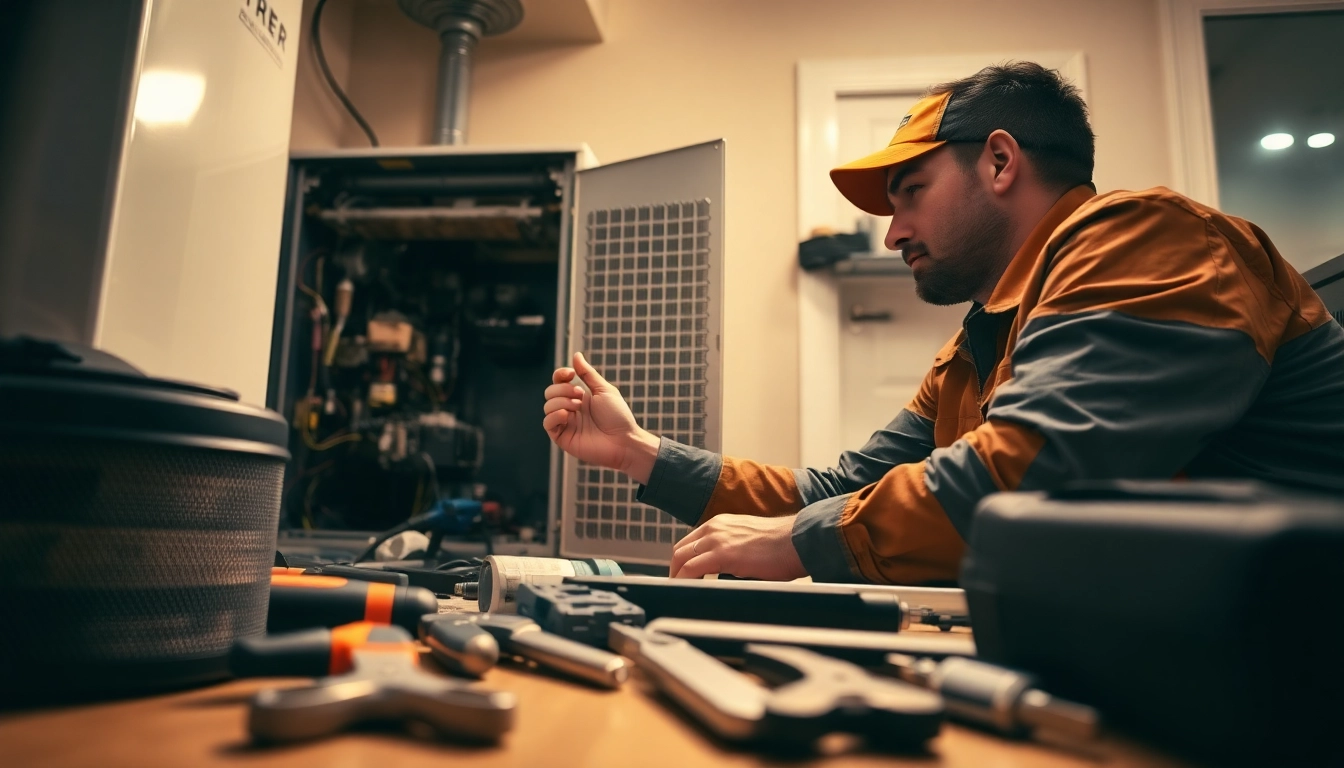
Cost Factors Involved in Emergency HVAC Repair BC
The costs associated with emergency HVAC repairs can vary widely based on several factors. Understanding these can help homeowners budget effectively.
Typical Pricing for Immediate Services
Emergency HVAC services often cost more than standard calls. On average, customers can expect to pay:
- Service fees that can double during off-hours or holidays.
- Costs for specialized parts or equipment needed for repairs.
- Labour costs can substantially increase during emergencies due to swift response requirements.
Understanding Surge Pricing Dynamics
Surge pricing usually refers to increased charges during high-demand situations. Factors influencing this pricing can include:
- High call volume during extreme weather.
- Limited availability of technicians.
- Increased operational costs for emergency service providers.
Planning HVAC repairs during regular hours may yield better rates and service availability.
Long-term Cost Savings of Rapid Repair
While emergency HVAC repairs may seem costly upfront, they can save money in the long run by:
- Preventing further damage to the unit, thus avoiding more expensive repairs.
- Maintaining optimal energy efficiency.
- Extending the lifespan of HVAC systems through timely interventions.
Addressing problems promptly can alleviate larger financial burdens later.
Choosing the Right Emergency HVAC Service
Selecting a competent emergency HVAC service provider is crucial for effective resolution. Here are important considerations:
What to Look for in a Service Provider
Ensure the provider has:
- Experience and expertise in handling various HVAC systems.
- Availability for emergencies—24/7 service is ideal.
- Transparent pricing with no hidden fees.
These factors contribute to a reliable and efficient repair process.
Importance of Licensing and Insurance
Always verify that the HVAC service provider possesses the necessary licenses and insurance. This protects homeowners from potential liabilities resulting from accidents or damage during service calls. A licensed technician is also more likely to adhere to industry standards, ensuring quality work.
Reading Customer Reviews and Testimonials
When selecting a service provider, look for:
- Reviews on trusted platforms and community forums.
- Testimonials that highlight successful emergency repairs.
- A history of customer satisfaction in similar circumstances.
Researching customer experiences can guide you towards reputable service options.
FAQs
How much does an emergency HVAC service cost?
The cost typically ranges from double to triple the price of regular service calls, depending on the nature and timing of the emergency.
What is considered an HVAC emergency?
An HVAC emergency includes situations that threaten safety or health, like loss of heat in winter or lack of cooling during a heat wave.
How quickly can I expect a response for emergency services?
Response times usually range from 30 minutes to a couple of hours, dependent on the company’s availability and the emergency’s urgency.
What should I do while waiting for a technician?
Ensure your environment is safe; turn off the system to prevent further damage, and try to maintain a comfortable temperature.
Can I prevent HVAC emergencies?
Regular maintenance and timely repairs significantly reduce the risk of HVAC emergencies by ensuring systems operate efficiently.