
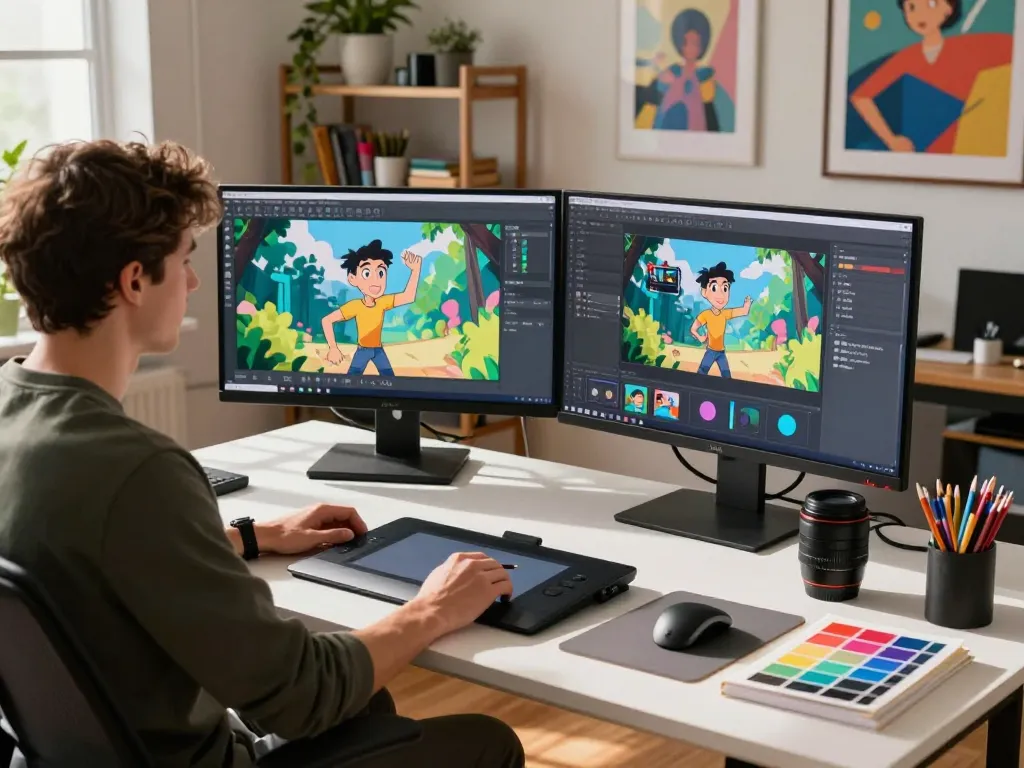
Understanding Kling Motion AI and Its Unique Features
The evolution of video content creation has reached an exciting juncture with the advent of Kling Motion AI. This revolutionary technology empowers creators to seamlessly transform static images into dynamic videos, offering an unprecedented level of control and realism. Whether you’re a filmmaker, animator, or content creator, understanding the intricacies of Kling Motion AI is essential to harness its full potential. When exploring options, Kling motion ai provides comprehensive insights that can enhance your creative workflow.
What is Kling Motion AI?
Kling Motion AI is an advanced animation tool that enables users to animate static images by applying motion patterns derived from reference videos. It utilizes machine learning and sophisticated algorithms to ensure that the generated animations preserve the identity of the characters, maintaining their facial structures and proportions throughout the motion sequence. This is particularly beneficial for creators who seek to achieve photorealistic results without resorting to complex CGI techniques.
Key Technologies Behind Kling Motion AI
The backbone of Kling Motion AI lies in its proprietary architecture, Kling 2.6, which combines robust computer vision with generative adversarial networks (GANs). This powerful combination allows the system to accurately decode the nuances of human movement and facial expressions. The model has been trained on a massive dataset of motion captures, providing it the capability to replicate intricate actions with high fidelity. Furthermore, its rapid video generation capabilities mean that creators can iterate and refine their projects much faster than traditional animation tools allow.
Comparing Kling Motion AI to Other Animation Tools
While there are several animation tools on the market, Kling Motion AI distinguishes itself through its precision and ease of use. Unlike traditional models that require extensive keyframing and manual adjustments, Kling Motion AI automates much of the process, allowing creators to focus on storytelling rather than technical hurdles. Additionally, it integrates seamlessly into existing workflows, providing flexibility for both novice and experienced users. This is particularly appealing for industries moving towards more agile content production environments.
Getting Started with Kling Motion AI
System Requirements and Setup Process
Before diving into the captivating world of Kling Motion AI, it’s essential to ensure that your system meets the necessary requirements. The platform operates optimally on modern laptops and desktops with robust graphics processing capabilities and sufficient RAM to handle video rendering. The installation process is straightforward, requiring only a few steps to start creating stunning animations. Users can download the application from the official site and follow the guided setup to get started quickly.
Step-by-Step Guide to Uploading Images and Videos
To kick off your animation projects, begin by uploading your chosen images and reference videos. Kling Motion AI supports various file formats, including .mp4 and .mov, which can be uploaded directly through the user interface. It’s important to select high-quality images that represent the character you wish to animate, ensuring that they are full-body or half-body shots with clear backgrounds. Once the images are uploaded, users can select a motion reference video that aligns with the desired action, greatly enhancing the final output.
Using Text Prompts for Enhanced Animation
One of the standout features of Kling Motion AI is its ability to integrate text prompts into the animation process. By inputting descriptive text that outlines specific actions, emotions, or atmospheric conditions, users can guide the AI to produce tailored animations. This allows for a greater degree of artistic expression and helps in achieving the exact tone and feel that the creator envisions, further bridging the gap between static images and animated storytelling.
Best Practices for Creating Stunning Animated Videos
Choosing the Right Image and Motion References
Selecting appropriate reference materials is crucial for achieving successful animations. The reference image should align with the motion clip in terms of framing—full-body images should be paired with full-body motion clips, and similarly for half-body references. This attention to detail facilitates a smoother animation process, reducing the risk of visual drift and syncing issues during the transformation from static to dynamic content.
Tips for Achieving Photorealistic Results
To obtain photorealistic animations, it’s essential to utilize high-resolution images with accurate lighting conditions. Motion clips that exhibit controlled movements and minimal camera drift will yield the best results. Additionally, leaving sufficient background space in the reference image allows the AI to execute actions without clipping, ensuring a more polished final product. Experimenting with different lighting and angles can also enhance the realism of the animated video.
Advanced Techniques for Complex Actions
For creators aiming to depict more intricate movements, such as complex martial arts or dance routines, Kling Motion AI offers advanced control features. Mastering the various parameters available within the software, such as timing adjustments and motion path editing, can significantly improve the fluidity and synchronization of character actions. Users are encouraged to conduct tests with various motion clips to understand the capabilities of the AI better and to refine their techniques over time.
Real-World Applications of Kling Motion AI
Case Studies: Successful Implementations
To illustrate the potential of Kling Motion AI, several case studies highlight its successful implementation in various industries. For example, a film production company utilized Kling Motion AI to animate characters in a short film, significantly reducing production time while enhancing visual quality. Similarly, educational institutions have adopted the technology for creating engaging learning materials that feature animated characters to explain complex concepts, making learning more interactive and enjoyable.
Creative Uses Across Industries
The versatility of Kling Motion AI allows it to be adapted across numerous fields, from entertainment and marketing to education and healthcare. Talent agencies are leveraging its capabilities to produce eye-catching promotional materials for their clients, while therapists use animated modules to engage with children in therapeutic settings. This level of adaptability makes Kling Motion AI a valuable tool for creative professionals aiming for impactful storytelling.
Transforming Traditional Storytelling with Animation
Animation has always been a powerful medium for storytelling, and Kling Motion AI takes this a step further by merging technology with creative expression. By allowing creators to animate still images, it enables a fresh approach to narrative construction that leverages visual dynamics to convey emotion and context in ways traditional methods cannot. The potential applications in film, advertising, and interactive media are vast, opening new avenues for engagement and audience connection.
Future Trends in Motion AI Technology
Predictions for Animation in 2026 and Beyond
As we look ahead, the landscape of motion AI technology is set to evolve rapidly. Predictions for 2026 suggest further advancements in machine learning that will enhance the realism and responsiveness of animated characters. Developments could lead to more intuitive interfaces, enabling greater creative freedom and accessibility for users at all skill levels. Expect to see Kling Motion AI integrating additional functionalities, such as real-time collaboration features and enhanced AI-driven motion analysis.
Emerging Features in Kling Motion AI
With continuous feedback and adaptation, Kling Motion AI is likely to introduce features aimed at enhancing user experience. Potential new functionalities could include more sophisticated facial recognition algorithms that improve emotional accuracy in animations, as well as expanded compatibility with VR and AR technologies. These innovations will further push the boundaries of what creators can achieve with AI-driven animation, making it an even more integral tool in creative workflows.
How to Stay Updated with Industry Developments
Staying informed about the latest advancements in motion AI technology is essential for creators who wish to remain competitive. Subscribing to industry newsletters, following key influencers on social media, and participating in online forums can provide valuable insights into emerging trends and best practices. Additionally, engaging in training opportunities and workshops can help users refine their skills and discover innovative ways to utilize tools like Kling Motion AI.
What are the commercial use capabilities of Kling Motion AI?
Kling Motion AI provides comprehensive support for commercial projects, allowing users to create promotional content, advertisements, and cinematic pieces. By maintaining the integrity of character likenesses and ensuring high-quality output, creators can confidently utilize Kling Motion AI for various professional applications. It is advisable for users to review licensing agreements to ensure compliance with commercial usage guidelines.
How fast can I generate videos using Kling Motion AI?
The speed of video generation with Kling Motion AI is one of its standout features. Users can typically generate clips in a matter of minutes, which is a significant reduction in production time compared to traditional methods. This rapid output not only enhances productivity but also allows for quick iterations, enabling creators to test multiple ideas before finalizing their projects.
Can Kling Motion AI support facial expression changes?
Yes, Kling Motion AI is designed to support nuanced facial expression changes, allowing for more emotionally resonant animations. This feature is particularly useful for storytelling, where subtle shifts in expression can convey deep emotions, enhancing the viewer’s connection to the characters. As the system continues to evolve, we can expect even more sophisticated emotional rendering capabilities.
What image settings produce the best results with Kling Motion AI?
To achieve optimal results with Kling Motion AI, users should ensure that their image settings align with the requirements for effective animation. High-resolution images with proper lighting and distinct backgrounds are crucial. Furthermore, maintaining consistent character dimensions and angles between the reference image and motion video will significantly improve the accuracy and cohesion of the final animated product.
Is there a limit to the video length created with Kling Motion AI?
There are specific guidelines regarding video length with Kling Motion AI, typically ranging from 3.5 to 30 seconds depending on the character orientation. Users should be mindful of these limitations when planning their projects to ensure that animations can be executed within the designated timeframes. For longer sequences, breaking the content into segments may facilitate smoother production.