
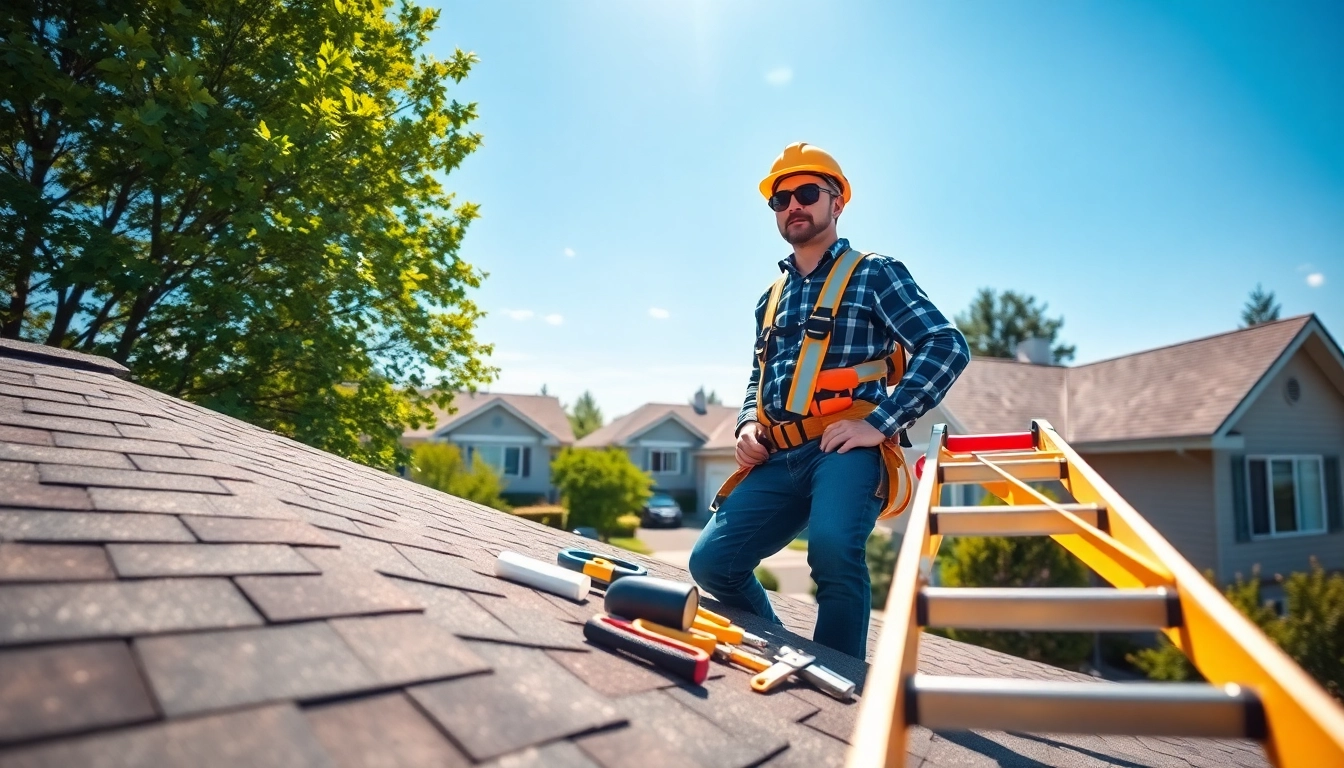
Understanding Roofing Contractor Roles
Choosing the right professional for any construction or repair task is crucial, especially when it comes to something as essential as your roof. A Roofing contractor plays a vital role in ensuring your home is protected from the elements. They are the individuals responsible for the installation, maintenance, and repair of your roof, which serves as a shield against weather conditions and contributes significantly to the overall aesthetics of your home.
The Importance of Roofing Contractors
Roofing contractors are essential not only for their technical skills but also for their expertise in navigating the complexities of construction codes and regulations. Their role transcends mere installation; they provide safety and peace of mind by ensuring that roofs meet the necessary standards. Furthermore, a well-installed roof can lead to significant energy savings and enhance your property’s value.
Duties of a Roofing Contractor
The duties of a roofing contractor encompass a wide range of responsibilities from project inception to completion. At the outset, they perform thorough inspections to assess roof conditions and identify existing issues. Once the problem has been diagnosed, they create a detailed proposal that outlines the work to be carried out, materials required, and the timeline for completion. Post-installation, roofing contractors often offer maintenance services to prolong the lifespan of the roof. They may also assist with warranty claims and perform necessary repairs in case of damage.
Key Skills to Look For
When hiring a roofing contractor, it’s crucial to look for specific skills and qualifications. Key skills include proficiency in local building codes, understanding various roofing materials (such as shingles, metal, and tile), and installation techniques. Moreover, strong communication skills are vital, ensuring that they can interact effectively with clients and address concerns promptly. It would also be beneficial for contractors to possess certifications from recognized roofing associations, as this demonstrates a commitment to ongoing education and professionalism.
Factors to Consider When Hiring a Roofing Contractor
Hiring a roofing contractor is not a decision to be taken lightly. It requires a thorough evaluation of potential candidates based on several critical factors to ensure you select a trustworthy professional. The following sections outline key considerations for homeowners.
Licensing and Insurance Requirements
One of the first steps in verifying a roofing contractor’s credibility is checking their licensing and insurance status. A valid license ensures that the contractor is legally allowed to work in your area and has met the necessary qualifications. Insurance is equally important as it protects both the homeowner and the contractor in the event of accidents or property damage during the roofing project. Always request copies of these documents and verify their authenticity.
Reviews and Recommendations
Word-of-mouth referrals can be one of the most reliable methods for finding a competent roofing contractor. Seek recommendations from friends, family, or neighbors who have recently had roofing work done. Additionally, online review platforms and local community forums can provide insights into past client experiences. Look for patterns in reviews, as sustained high ratings may indicate reliability and quality service. Engaging a contractor with a positive reputation is often a clear indicator of professional integrity.
Evaluating Previous Work
Reviewing a contractor’s portfolio of previous work can provide invaluable insight into their quality and craftsmanship. Many reputable roofing contractors showcase their past projects on their websites for prospective clients. Pay attention to the range of roofing styles and materials they have worked with, as well as the overall aesthetic and quality of their previous projects. If possible, visit some completed works to evaluate the quality firsthand.
Common Roofing Contractor Challenges
Undertaking roofing work can pose various challenges, both for contractors and homeowners. Understanding these challenges can help mitigate potential issues and ensure a smoother working relationship.
Dealing with Budget Constraints
Budgeting for a roofing project is often a significant concern. Homeowners frequently want quality workmanship while staying within financial limits, which can be challenging. A skilled roofing contractor can help recommend appropriate materials and methods that align with your budget while guaranteeing durability and performance. It’s essential to have transparent discussions regarding costs, allowing both parties to set realistic financial expectations from the outset.
Addressing Weather-Related Delays
Weather conditions can dramatically affect roofing projects. Rain, wind, and extreme weather can halt progress and delay timelines. A reliable roofing contractor will proactively assess weather forecasts and plan work schedules accordingly, often allowing for contingency plans to keep the project on track. Communication is crucial during these delays; keeping homeowners informed can help diminish frustration caused by unexpected setbacks.
Managing Communication During Projects
Effective communication is critical during roofing projects to avoid misunderstandings and ensure that all parties are aligned. Regular check-ins and updates from the contractor can help homeowners feel informed about progress. It’s beneficial for homeowners to establish clear lines of communication from the beginning, providing their contact information and preferred methods for receiving updates. Addressing concerns quickly and openly can foster trust and maintain a positive relationship throughout the project.
Best Practices for Working with Roofing Contractors
Establishing a successful working relationship with your roofing contractor can lead to a more streamlined project and better end results. Here are some best practices to consider.
Effective Communication Techniques
Ensure that both you and your roofing contractor are on the same page with effective communication. Depending on the preference of both parties, this might include regular phone calls, email updates, or text messages. Document significant decisions in writing to avoid confusion later. Additionally, actively listening to the contractor’s feedback and suggestions will create a collaborative environment conducive to a successful project outcome.
Setting Realistic Timelines
Setting realistic timelines for project completion is crucial in roofing projects. Factors such as project scope, materials availability, and weather conditions should all be considered when determining the project timeline. A reliable contractor should provide a detailed schedule, breaking down different project phases, and identifying potential delays ahead of time to avoid surprises.
Understanding Contract Terms
Before entering any agreements, carefully review the contract’s terms and conditions. Ensure that it covers all aspects of the project, including scope, materials, timelines, costs, and payment schedules. Having a clear understanding of each provision can help mitigate conflicts. If you have any questions about specific terms, do not hesitate to discuss these with the contractor prior to signing.
Evaluating Project Success with a Roofing Contractor
Once a roofing project is completed, it’s important to evaluate its success comprehensively. Measuring various factors can help assess the overall effectiveness of the work performed.
Measuring Quality of Work
Evaluating the quality of work completed by the contractor can be done through both visual inspections and practical assessments. Check for any signs of leaks, irregularities, or poor workmanship. Engaging a third-party inspector can also provide an unbiased assessment of the project’s quality. Meeting with the contractor post-completion to discuss any concerns or questions can also ensure satisfaction with the work performed.
Post-Project Maintenance Tips
After completing your roofing project, ongoing maintenance is key to ensuring its longevity. Ask the contractor for specific maintenance tips and consider scheduling routine inspections to catch potential issues early. Simple actions, like cleaning gutters and removing debris, can significantly extend the life of your roof.
Gathering Client Feedback
One of the most effective ways to gauge the success of a roofing project is by gathering feedback from the client. This may involve conducting surveys or direct conversations post-project. Listening to their experiences can provide insights into areas where improvements can be made for future projects, ensuring continuous enhancement of service quality.
Frequently Asked Questions
What should I look for in a roofing contractor?
Look for licensing, insurance, experience, positive reviews, and specific skills in roofing materials and installation techniques.
How long does a roofing project typically take?
The duration varies based on project size and complexity. Small repairs may take a day, while full replacements can take several days to weeks.
Are roofing contractors insured?
Reputable roofing contractors should carry liability insurance to protect both themselves and homeowners from accidents and damages.
How can I maintain my new roof?
Regularly clean gutters, remove debris, and schedule annual inspections to ensure your roof remains in optimal condition.
What are common roofing materials?
Common roofing materials include asphalt shingles, metal, tile, and slate, each offering different benefits in terms of durability and aesthetics.