
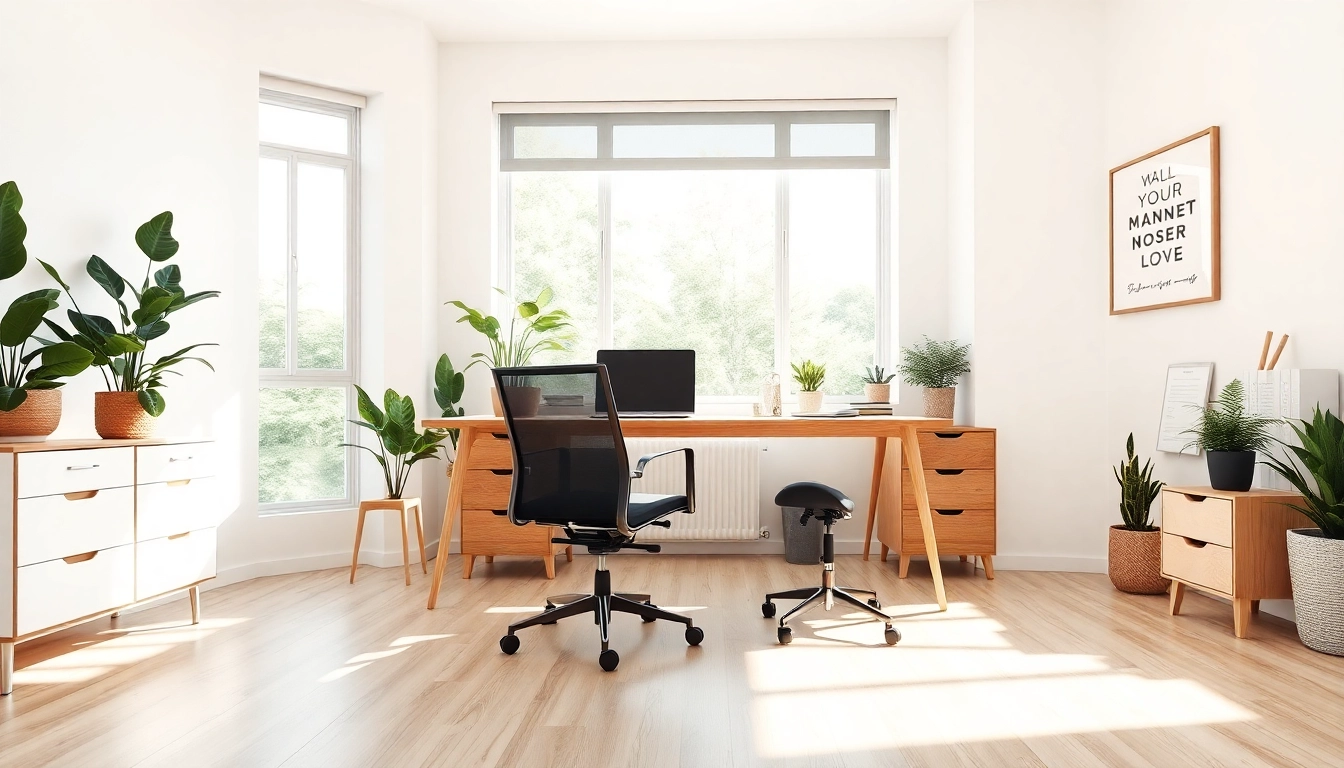
Understanding the Importance of a Functional Home Office
In an era where remote work has become a common practice, establishing a functional home office is more crucial than ever. A well-designed home office can significantly affect your productivity, mental well-being, and overall work-life balance. With the right setup, you can create a space that not only supports your work needs but also inspires creativity and focus. To explore how to elevate your work environment, resources such as https://amc-essentials.com/ offer invaluable insights.
Assessing Your Workspace Needs
Assessing your workspace needs is the first step in creating an effective home office. This involves understanding what tasks you perform regularly and the tools required for them. Here are a few critical considerations:
1. Work Nature: Identify whether your work is computer-based, requires special equipment, or benefits from collaborative areas.
2. Space Availability: Consider how much space you have at home and how it can be optimized for productivity.
3. Personal Preference: Some individuals work well in minimalist environments, while others may prefer a more personalized space filled with inspiring elements.
Conducting a self-assessment can guide you in choosing what’s essential and avoiding unnecessary clutter.
Choosing the Right Furniture for Comfort
Comfort is paramount in a home office setup, as it directly impacts productivity and focus. Here are key furniture selections to consider:
– Ergonomic Chair: An ergonomic chair can prevent strain and enhance comfort during long hours of work. Look for options that offer adjustable height, lumbar support, and comfortable seating materials.
– Desk Height: Your desk should be at a height that allows for comfortable typing and viewing of screens. Standing desks are also popular, providing versatility in work posture.
– Storage Solutions: Adequate storage options reduce visual clutter and enhance functionality. Consider shelves, filing cabinets, or modern organizational systems that suit your style.
Investing in quality furniture that meets your physical needs can lead to a more enjoyable work experience.
Design Elements that Inspire Productivity
The design of your home office can either inspire or impede productivity. Here’s how to create a motivational environment:
– Personal Touches: Incorporating elements that reflect your personality, such as artwork, motivational quotes, or personal achievements, can create a more engaging environment.
– Open Layout: If space allows, keep an open layout that promotes airflow and can reduce feelings of confinement that sometimes accompany home offices.
– Vision Board: Consider setting up a vision board or mood board that outlines your goals and aspirations, serving as a constant source of motivation.
Design elements that resonate with you will ultimately lead to improved concentration and output.
Key Features of an Effective Home Office
An effective home office combines features that enhance functionality, comfort, and efficiency. Let’s explore them in detail.
Ergonomics: Creating a Comfortable Work Environment
Ergonomics is not just a trend; it’s a fundamental component of a productive workspace. Implementing ergonomic practices can dramatically decrease discomfort and increase work efficiency. Here’s how:
– Monitor Placement: Your screen should be at eye level to reduce neck strain, and it should be about an arm’s length away to help reduce eye fatigue.
– Keyboard and Mouse Positioning: Keeping your keyboard and mouse at elbow height can help to maintain a relaxed stance while typing.
– Frequent Breaks: Even the most ergonomic setup requires breaks. Schedule short breaks to stretch or walk around, which can aid in sustaining energy levels.
Integrating these ergonomic principles can profoundly affect your physical well-being and work output over time.
Essential Technology for Efficiency
Equipping your home office with the right technology is essential for maximizing efficiency and connectivity.
1. High-Speed Internet: Reliable internet connectivity is foundational for smooth communication and work operations.
2. Quality Equipment: Invest in quality equipment like a fast computer, a good-quality printer, and backup systems to ensure seamless work.
3. Digital Tools: Utilize software and tools that streamline your processes, such as project management applications, video conferencing tools, and cloud storage solutions.
Having the right technological setup keeps you connected and efficient in today’s remote work landscape.
Ambient Lighting and Its Impact on Focus
Lighting plays a critical role in setting the mood for productivity in your home office. Here are some essential pointers:
– Natural Light: If possible, position your desk near a window to take advantage of natural light. This can enhance mood and reduce eye strain.
– Layered Lighting: Use a combination of ambient (general), task (specific to working areas), and accent lighting (for decoration) to create a balanced atmosphere.
– Adjustable Options: Lighting solutions that allow for adjustments based on the time of day can help maintain focus and mood.
The right lighting can uplift your energy levels and improve your concentration throughout the workday.
Design Trends to Enhance Your Home Office
As you establish your home office, staying updated on design trends can enhance both its functionality and aesthetic appeal. Let’s explore some trends that foster a better work environment.
Incorporating Biophilic Elements for Wellness
Biophilic design, which connects the indoor environment with nature, is gaining popularity and for good reason. Adding biophilic elements can enhance your overall wellness:
– Indoor Plants: Integrate various plants into your office. They purify the air, boost mood, and improve aesthetics.
– Natural Materials: Use materials such as wood, stone, or natural fabrics to create a sense of warmth and comfort.
– Nature Views: If existing views are available, position your desk to overlook nature or invest in artwork that features natural landscapes.
Bringing these elements into your workspace can improve mental well-being and sustain productivity.
Color Schemes that Promote Creativity
Color plays a significant role in shaping the atmosphere of your home office.
– Warm Tones: Colors like orange and yellow can spark creativity and optimism, making them excellent choices for areas meant for brainstorming.
– Cool Tones: Blues and greens have calming effects, which can enhance focus and analytical thinking.
– Accent Walls: Consider painting one wall in a vibrant color to energize the space without overwhelming it.
Choosing the right color scheme can fundamentally alter your work experience and outcomes.
Maximizing Space with Smart Storage Solutions
Maximizing your home office space is critical, especially in smaller areas. Here are some smart storage solutions:
– Vertical Solutions: Invest in shelves or pegboards that utilize vertical space, keeping the floor area open and organized.
– Multi-functional Furniture: Consider desks that come with built-in storage solutions or devices that can serve more than one purpose.
– Decluttering: Regularly assess what items are essential and find creative ways to store or dispose of things that don’t serve a purpose.
Adopting strategic storage solutions can lead to a more organized and functional workspace.
Implementing Best Practices for Work-Life Balance
Maintaining a work-life balance while working from home can be challenging. Following best practices can help foster a clear separation between work and personal life.
Setting Clear Boundaries in Your Workspace
Setting boundaries is vital for concentration and relaxation. Here’s how to effectively manage boundaries:
1. Defined Work Hours: Establish specific work hours that signal the start and end of your workday.
2. Dedicated Space: Use a particular room or corner solely for work to create a physical boundary between work and personal life.
3. Communicate with Housemates: Inform those you live with about your work hours to minimize distractions.
Being clear about your work boundaries not only protects your productive time but also allows for better personal time.
Time Management Techniques for Remote Work
Effective time management is a cornerstone of successful remote work.
– The Pomodoro Technique: Break work into 25-minute intervals followed by 5-minute breaks, maximizing focus and preventing burnout.
– Task Prioritization: Use techniques like the Eisenhower Box to distinguish between urgent and important tasks, ensuring the most significant tasks are completed first.
– Digital Tools: Explore apps that help manage time, set reminders, and track productivity.
Implementing these strategies can improve overall efficiency and time use within your workday.
Creating a Routine That Works for You
Establishing a routine tailored to your preferences can facilitate a productive work environment. Consider the following tips:
– Morning Rituals: Start your day with rituals that engage you mentally and physically, such as exercise, meditation, or breakfast.
– Work Breaks: Schedule consistent breaks that help recharge your mind throughout the day.
– Reflective Practices: End your workday by reviewing achievements and setting goals for the next day.
Developing a routine that suits your lifestyle can significantly enhance productivity and personal satisfaction.
Evaluating Your Home Office Setup
Taking the time to evaluate your home office setup is crucial for ongoing effectiveness and satisfaction. Here’s how to do it.
Measuring Productivity Before and After Setup
To assess the impact of your home office setup, it’s vital to measure productivity changes:
– Track Work Output: Before and after establishing your office, keep a log of completed tasks to understand improvements.
– Grant Yourself Time to Adapt: Initially, give yourself a few weeks to adjust to the new setup.
Measuring productivity can provide valuable insights into what adjustments are needed.
Soliciting Feedback from Users
If others share your workspace, seek their feedback on the office setup. This not only helps improve your experience but also nurtures collaboration:
– Structured Conversations: Hold informal discussions to address what works well and what does not.
– Anonymous Surveys: Use simple surveys to collect feedback without bias, ensuring genuine responses.
Feedback can highlight areas for improvement and help create an office environment everyone enjoys.
Making Adjustments for Continuous Improvement
Continuous improvement is key to maintaining a functional home office.
– Regular Assessments: Schedule evaluations of your workspace every few months to ensure it still meets your needs.
– Adaptability: Stay open to change. What works well today might not be effective in the long run.
– Stay Informed: Keep up with design innovations and ergonomic recommendations to enhance your setup continually.
Regular adjustments can lead to long-term gains in productivity and personal satisfaction.
FAQs About Home Office Setup
1. What is the best layout for a home office?
A practical layout often includes a dedicated workspace away from distractions, ideally with natural light and a comfortable desk and chair arrangement.
2. How important is ergonomics in a home office?
Ergonomics is crucial as it enhances comfort and productivity while reducing strain and fatigue associated with prolonged computer use.
3. What plants are best for a home office?
Low-maintenance plants like snake plants, pothos, or peace lilies not only beautify the space but also improve air quality.
4. How can I keep my home office organized?
Utilization of storage solutions, decluttering regularly, and implementing a filing system can maintain organization in your home office.
5. How can I improve focus in my home office?
Limit distractions, establish a routine, incorporate calming colors, and use ambient lighting to enhance your focus while working.