
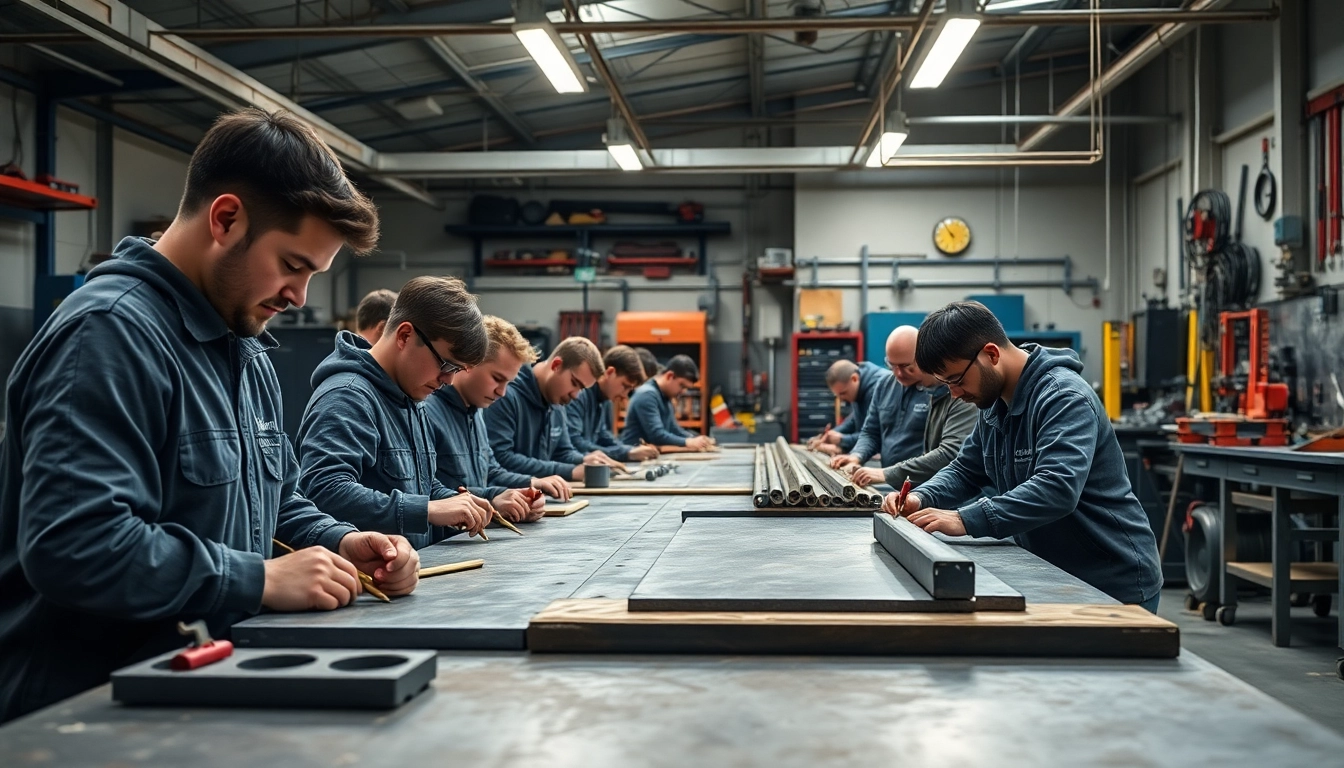
Understanding the Basics of Sheet Metal Training
Introduction to Sheet Metal Work
Sheet metal work is a pivotal component in industries ranging from aerospace to automotive, offering a diverse array of applications. Understanding the foundational principles of sheet metal training is essential for anyone aspiring to excel in this field. Armed with this knowledge, individuals can pave the way toward a rewarding career, making significant contributions to various manufacturing and construction sectors. Enrolling in a comprehensive sheet metal training program, like sheet metal training, provides students with a robust foundation, encompassing both theoretical and practical skills.
Importance of Hands-on Experience
Hands-on experience is critical in sheet metal training. While theoretical knowledge establishes the groundwork, practical application solidifies skills and boosts confidence. by working directly with materials and using tools in real-world conditions, trainees learn to foresee challenges, experience the dynamics of metal, and develop effective problem-solving skills, which are crucial in a professional context.
Key Tools and Technologies Used
The sheet metal fabrication process employs a variety of tools and technologies, including shears, brakes, and welders. Modern advancements have introduced CNC machines and laser cutting technology, improving accuracy and efficiency. Understanding how to use these tools effectively comes from rigorous training, allowing individuals to adapt to the latest innovations in the field.
Core Techniques in Sheet Metal Fabrication
Cutting Methods for Precision
The quality of sheet metal fabrication heavily relies on precise cutting methods. Techniques such as laser cutting, plasma cutting, and water jet cutting offer distinct advantages, depending on the required specifications.
– Laser Cutting: Known for unparalleled precision, laser cutting utilizes a focused beam of light to melt away metal. This method is suitable for intricate designs and thin materials.
– Plasma Cutting: This technique is ideal for thicker sheets, utilizing a high-velocity jet of hot plasma. It is swift and cost-effective, making it popular in various industries.
– Water Jet Cutting: Employing high-pressure water mixed with abrasive particles, this method is versatile, allowing for the cutting of numerous materials without altering the intrinsic characteristics of the sheet metal.
Each cutting method has its applications, making proficiency in them essential for aspiring sheet metal fabricators.
Bending and Forming Processes
Bending and forming are essential processes that shape the sheet metal into desired forms. Various techniques like air bending, bottoming, and roll bending come into play to achieve the required angles and specifications.
– Air Bending: This method exerts pressure through a punch to create bends. Its flexibility lies in the ability to produce a range of angles by adjusting punch depth.
– Bottoming: Involves pressing a punch against a die, allowing for more acute bends compared to air bending.
– Roll Bending: This technique employs three rollers to form large-radius bends and is often used for pipes or large sheets.
Mastering these techniques ensures that sheet metal fabricators can create complex parts with high precision.
Joining Techniques for Strong Bonds
Joining methods are critical for assembling various components in sheet metal work. Techniques include welding, riveting, and adhesive bonding.
– Welding: This process involves melting the edges of two pieces of metal together, forming a strong bond. Techniques vary, including MIG, TIG, and stick welding, each suited to different materials and applications.
– Riveting: A mechanical joining method ideal for thick materials, riveting uses metal pins to secure two or more pieces together. This technique is often employed in aerospace and heavy equipment manufacturing.
– Adhesive Bonding: An increasing trend in the industry, this method utilizes specially formulated adhesives to join metal sheets, providing substantial strength without the need for traditional fasteners.
Understanding when and how to use these joining techniques is paramount for creating durable and reliable metal structures.
Health and Safety in Sheet Metal Training
Essential Safety Equipment
Ensuring safety in the sheet metal workspace is non-negotiable. Essential personal protective equipment (PPE) includes:
– Safety Glasses: Protect eyes from flying debris.
– Ear Protection: Prevents hearing damage from loud machinery.
– Gloves: Safeguard hands from sharp edges and hot surfaces.
– Respirators: Protect against harmful fumes or dust during cutting and welding processes.
Proper training on the use of this equipment is necessary to create a culture of safety.
Risk Assessment Procedures
Conducting thorough risk assessments is vital for identifying potential hazards in sheet metal operations. This involves:
1. Identifying Hazards: Analyzing tasks to find potential risks, including equipment, materials, and environmental factors.
2. Evaluating Risks: Assessing the likelihood and severity of each identified hazard.
3. Implementing Controls: Establishing protocols and safety measures to mitigate risks, ensuring a safer working environment for all personnel.
Regular training refreshers can help ensure that everyone remains vigilant and compliant with safety protocols.
Emergency Response Plans
An effective emergency response plan is crucial in any sheet metal facility. This plan should encompass procedures for various scenarios such as fires, equipment failures, and injuries. Key components include:
– Emergency Contacts: Quick access to supervisors and emergency services.
– Evacuation Routes: Clearly marked pathways for safe exit during emergencies.
– First Aid Protocols: Training key personnel in first aid response can be life-saving during initial injury management.
Periodic drills and reviews of the emergency response plan help ensure that the entire team is prepared for any eventuality.
Certifications and Career Opportunities
Available Certifications in the Field
Certification programs significantly enhance employability and demonstrate technical proficiency in sheet metal work. Prominent certifications include:
– AWS Certified Welder: Recognized widely, this certification ensures welders meet industry standards.
– CNC Certification: Validates skills in operating CNC machines, which are increasingly prevalent in modern fabrication.
– OSHA Safety Certification: Focuses on workplace safety, crucial for any operation involving heavy machinery and hazardous materials.
Obtaining such certifications can facilitate career advancement and open doors to higher-paying positions.
Career Pathways After Training
A career in sheet metal fabrication can lead to various pathways, including:
– Fabricator: Working directly with materials to create products.
– Designer: Using CAD software to create plans for fabrication.
– Project Manager: Overseeing multiple projects, ensuring timelines and quality standards are met.
Specializing in areas like HVAC, automotive, or aerospace can further refine career paths, offering opportunities for continuous growth.
Industry Demand for Skilled Workers
The demand for skilled sheet metal workers continues to grow, fueled by advancements in technology and increased construction activities. Industries requiring sheet metal expertise span commercial construction, manufacturing, and even renewable energy sectors.
Skilled workers often find themselves in high demand, allowing for competitive salaries and opportunities for career advancement, making sheet metal training a worthwhile investment.
Frequently Asked Questions about Sheet Metal Training
What is sheet metal training?
Sheet metal training is a comprehensive educational program that covers various aspects of sheet metal fabrication, including tools, techniques, safety protocols, and industry practices.
What skills are taught in sheet metal training?
Key skills include cutting, bending, welding, joining techniques, safety procedures, and familiarity with tools and technologies used in sheet metal work.
How long does sheet metal training take?
The duration of sheet metal training varies, typically ranging from a few weeks to several months, depending on the depth of the program and the individual’s prior experience.
Are there certifications available after training?
Yes, various certifications, including welding and CNC operation, are available, enhancing employability and validating skills in the field.
What career opportunities are available in this field?
Graduates can pursue careers as fabricators, designers, project managers, or specialists in specific industries like HVAC or automotive manufacturing.