
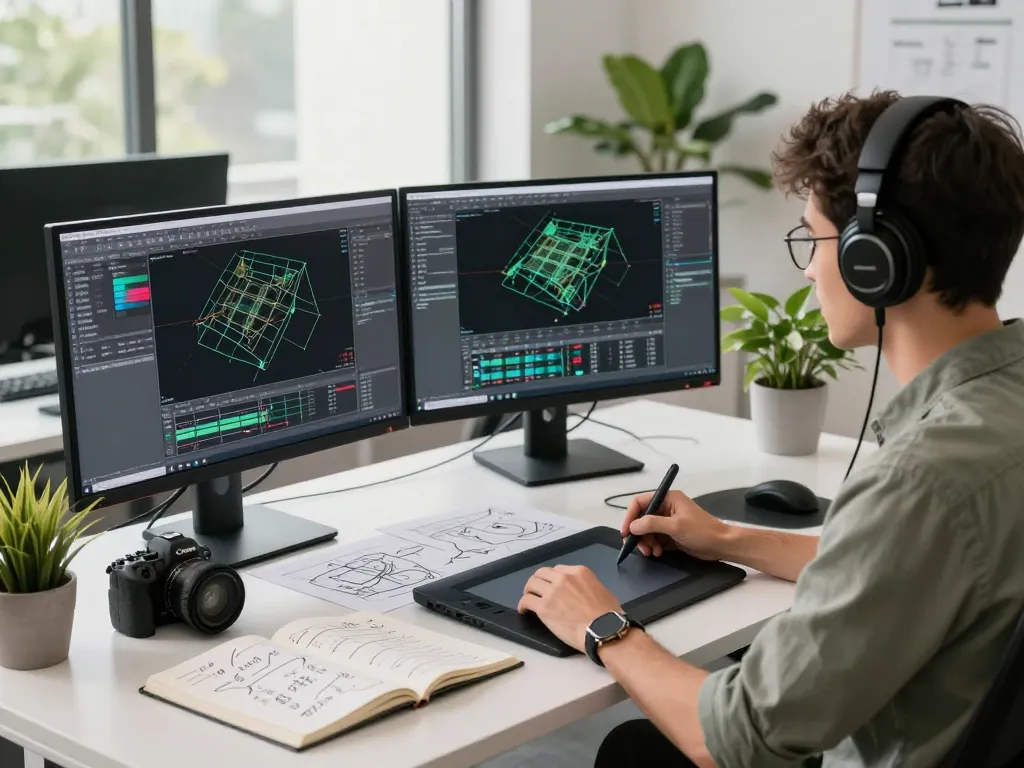
Understanding the 3D Model Generator Landscape
As digital design continues to evolve, the demand for innovative tools that facilitate creative processes is skyrocketing. One such tool is the 3D model generator, which empowers designers, artists, and engineers to create extraordinary three-dimensional assets in a fraction of the time it would traditionally take. In today’s fast-paced environment, the ability to generate complex 3D models swiftly and accurately can set professionals apart. When exploring options, 3D Model generator tools promise to revolutionize how we approach design challenges.
What is a 3D Model Generator?
A 3D model generator is a software application that allows users to create three-dimensional models using various input methods, such as text descriptions, images, or pre-existing templates. These generators leverage advanced algorithms, often powered by artificial intelligence, to analyze user inputs and produce high-fidelity models that can be used in various applications, including video games, films, and product prototyping.
Typically, a 3D model generator operates by transforming two-dimensional images into three-dimensional representations or converting descriptive text into intricate designs. This automated process drastically reduces manual modeling time, enabling creators to focus more on the conceptual aspects of their projects rather than the technicalities of modeling.
How 3D Model Generators Transform Digital Design
The integration of 3D model generators into the design workflow brings forth several transformative benefits. Firstly, they enhance productivity by allowing designers to produce high-quality models at a much faster pace. This capability is particularly essential in industries like gaming and animation, where rapid development cycles are crucial.
Moreover, these tools democratize 3D modeling by making it accessible to non-experts. Individuals without extensive training in 3D modeling can generate impressive models by simply inputting their ideas, which encourages creativity and innovation across various fields. The result is a more inclusive design environment where ideas can flourish without the barriers that traditional modeling tools often impose.
Current Trends in 3D Model Generation for 2026
As we look towards 2026, the landscape of 3D model generators is expected to be shaped by several emerging trends. One significant trend is the incorporation of machine learning algorithms that enhance the model generation process. These algorithms can learn from user interactions and preferences, improving the quality and relevance of generated models over time.
Another key trend is the increasing integration of 3D model generators with virtual and augmented reality platforms. This integration enables users to visualize their creations in real-time environments, facilitating better design decisions and enhancing user experiences. Moreover, the rise of cloud computing is allowing these tools to operate in a more collaborative space, where teams can work simultaneously on projects from different locations.
Key Features of an Effective 3D Model Generator
Essential Tools for 3D Model Generation
When evaluating a 3D model generator, several critical features should be considered to ensure it meets the demands of users effectively. Key features typically include:
- Intuitive User Interface: A user-friendly interface allows for easy navigation and operation, helping users to focus on creativity rather than technical hurdles.
- Variety of Input Methods: The ability to accept multiple input types—text, images, and even sketches—broadens the scope of creation.
- Customization Options: Robust generators offer various customization tools to modify generated models, allowing for unique designs tailored to specific needs.
- Export Formats: Compatibility with multiple file formats ensures that models can be easily integrated into different software applications, whether for gaming, animation, or 3D printing.
Comparative Analysis of Popular 3D Model Generators
As many 3D model generators flood the market, a comparative analysis of the leading options can help users make informed choices. For example, tools like Meshy AI and Canva are prominent for their ease of use and rapid generation times. However, each tool has its unique strengths based on the user’s specific needs.
Meshy AI excels in creating production-ready models from concise prompts, while Canva integrates design capabilities that allow users to generate models directly from their design projects. On the other hand, tools like Fast3D focus on speed and accessibility, making them ideal for rapid prototyping and iterative design processes.
User Experience and Interface Design Considerations
Good user experience (UX) is fundamental in 3D model generators. The interface should not only be visually appealing but also logically structured to facilitate easy access to crucial tools and features. Feedback mechanisms, such as previews and guided tutorials, enhance the learning curve for beginners and foster an environment where users can experiment with designs confidently.
Moreover, responsive design is essential, allowing applications to function seamlessly across devices, including desktops, tablets, and smartphones, catering to a diverse user base. Accessibility features, such as keyboard shortcuts and voice commands, further broaden the usability of these tools.
Practical Applications of 3D Model Generators
Creating Models for Gaming and Animation
The gaming industry is at the forefront of adopting 3D model generators, as these tools allow developers to create immersive worlds rapidly. From character modeling to environmental assets, the ability to produce high-quality models quickly provides studios with a competitive edge. For example, indie game developers can leverage these tools to render intricate designs without extensive resources.
Animation studios also benefit from 3D model generators. By generating lifelike models that can easily be rigged and animated, these tools reduce the workload on animators, allowing them to focus on storytelling and creative direction.
Utilizing 3D Models in Product Design and Prototyping
In the realm of product design, 3D model generators have transformed prototyping processes. Designers can create virtual models that accurately represent their concepts, allowing for iterative testing and refinement before any physical production occurs. This approach not only saves time but also reduces costs associated with traditional prototyping methods.
Moreover, the capacity for rapid iterations means that feedback from stakeholders can be integrated into designs more effectively, enhancing the overall quality of the final product. Industries ranging from automotive to consumer electronics are increasingly adopting 3D modeling technologies to innovate their design processes.
3D Printing: Best Practices for Model Preparation
As 3D printing technology becomes more widespread, the need for compatible 3D models is paramount. When using a 3D model generator for printing, certain best practices should be followed:
- Ensure Model Integrity: Check for non-manifold edges and holes that could lead to printing errors.
- Optimize for Printability: Consider the design’s complexity and ensure it can support the intended printing method.
- Test Print Scales: Conduct test prints at different scales to ensure details are preserved in the final output.
By adhering to these practices, users can create models that are not only visually stunning but also functional and reliable for 3D printing applications.
Challenges in Using 3D Model Generators
Common Obstacles When Generating 3D Models
Despite the advantages of 3D model generators, users may encounter specific challenges during the generation process. Technical limitations can arise, particularly when dealing with highly complex models that exceed a generator’s capabilities. Additionally, the learning curve associated with using advanced features may deter some users from fully utilizing the tools available.
Misconceptions About 3D Model Generators
There are several misconceptions surrounding 3D model generators. One common myth is that these tools can replace skilled designers entirely. While they can streamline the modeling process, the creative input and expertise of a designer are crucial for producing high-quality work. Another misconception is that all generators yield the same level of output quality, whereas different tools cater to varying needs and industries.
Strategies for Overcoming Technical Difficulties
To mitigate technical challenges, users should invest time in learning the software through tutorials and community forums. Engaging with user communities can provide insights into common issues and best practices. Additionally, regularly updating the software and utilizing built-in support resources can help maintain performance and minimize disruptions.
The Future of 3D Model Generators: What to Expect in 2026 and Beyond
Emerging Technologies and Innovations
As technology continues to advance, 3D model generators are likely to incorporate more sophisticated features. One anticipated innovation is the integration of virtual reality (VR) and augmented reality (AR) functionalities, allowing users to interact with their models in a more immersive way. This advancement could significantly enhance the design process by enabling real-time modifications and visualizations.
Predictions for the Evolution of 3D Modeling
Experts predict that AI-driven design assistants will emerge, facilitating an even more intuitive modeling experience. These assistants will analyze user preferences and past designs to suggest improvements and alternatives, streamlining the decision-making process. Furthermore, advancements in generative design will enable models to adapt based on functional parameters, optimizing them for specific applications.
Preparing for Tomorrow: Skills for 3D Designers
As the demand for 3D modeling continues to grow, aspiring designers will need to cultivate a diverse skill set. Technical proficiency in using various modeling tools is essential, but soft skills such as creativity, problem-solving, and collaboration will also be crucial. Additionally, understanding the implications of emerging technologies—like AI and VR—will empower designers to leverage these tools effectively in their work.