
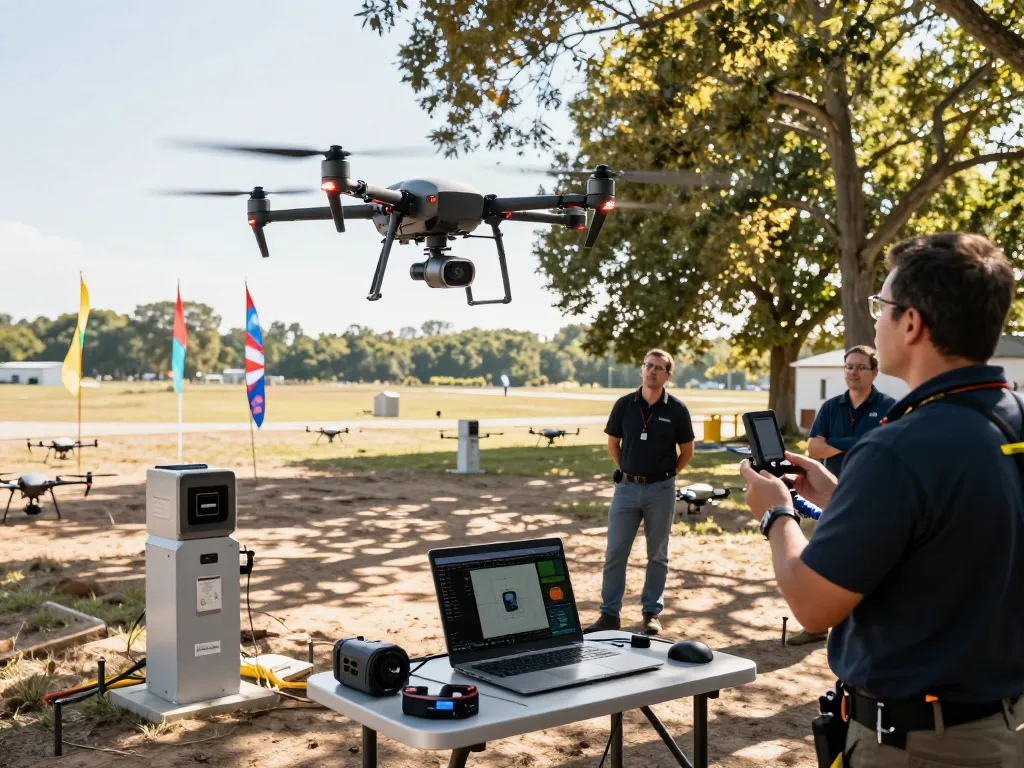
Understanding Drone Termico Technology
In an era where technology is rapidly changing the way we approach various fields, drone termico has emerged as a revolutionary tool, significantly enhancing operational capabilities. These thermal drones utilize advanced imaging technology to capture temperature variances and heat signatures, making them invaluable in numerous applications, from emergency response to infrastructure inspection and environmental monitoring.
What is Thermal Imaging in Drones?
Thermal imaging in drones involves the use of infrared cameras to detect and visualize thermal energy emitted by objects. Unlike standard optical cameras, thermal devices can “see” heat and convert it into visible images, often referred to as thermograms. This technology allows drones to perform tasks that would be impossible or unsafe with traditional methods. By using sensors that detect infrared radiation, thermal drones can operate at any time of the day or in adverse weather conditions, providing vital data for various industries.
Key Features of Drone Termico
- High-resolution thermal sensors: These sensors provide detailed thermal imaging, essential for accurate data analysis.
- Dual-sensor systems: Combining thermal and optical cameras allows for comprehensive analysis by overlaying thermal images with standard visuals.
- Real-time data transmission: Many thermal drones can stream live video feeds to operators, enabling immediate decision-making.
- Automated flight modes: Features like waypoint navigation and automated scanning patterns enhance efficiency during complex missions.
- Durability and weather resistance: Designed to withstand various environmental conditions, these drones can operate effectively in challenging climates.
Applications Across Industries
The versatility of thermal drones makes them suitable for a wide range of applications across different sectors:
- Emergency Services: Firefighters utilize thermal drones to locate hotspots in wildfires, assess structural fires, and conduct search-and-rescue operations.
- Energy Sector: Companies in the oil, gas, and renewable energy industries use drones to inspect pipelines, solar panels, and wind turbines, identifying heat leaks and maintenance needs.
- Agriculture: Farmers utilize thermal imaging to monitor crop health, assess irrigation needs, and detect pests or diseases, leading to improved yields.
- Infrastructure Inspection: Drones are employed to inspect power lines, bridges, and buildings for heat loss, structural integrity, and maintenance requirements.
- Wildlife Conservation: Thermal imaging aids researchers in monitoring wildlife populations and habitats without disturbing them.
Choosing the Right Drone Termico
Factors to Consider When Selecting a Thermal Drone
When selecting a drone termico, several factors must be considered to ensure optimal performance for specific use cases:
- Camera Resolution: Higher resolution cameras provide more detailed images, essential for precise analysis.
- Flight Time: Longer battery life allows for extended operations, particularly important in large area inspections.
- Weight and Size: Consider the drone’s portability and the environment in which it will be operated.
- Control Range: Ensure the drone can operate within the required range, especially for emergency response applications.
- Software Compatibility: Check for software that integrates with existing systems for data analysis and reporting.
Top Drone Termico Models of 2026
As technology develops, several models have emerged as leaders in the drone termico market:
- DJI Matrice 30T: Known for its hybrid sensors and robust dual-optical systems, this model is ideal for search and rescue operations.
- Parrot ANAFI USA: Equipped with a 32x zoom and thermal capabilities, it is perfect for inspections and surveillance.
- FLIR SkyRanger R70: This model offers high endurance and different payload options, making it versatile for commercial applications.
- Yuneec H520E: Features a thermal camera that provides detailed thermal imaging, specifically tailored for industrial inspections.
Budgeting for Drone Termico Purchases
Purchasing a thermal drone requires careful budgeting, taking into account not only the initial investment but also ongoing costs:
- Initial Costs: High-quality models can range from $2,000 to over $30,000, depending on features and specifications.
- Training Expenses: Investing in proper training for operators can enhance safety and operational effectiveness.
- Maintenance and Repairs: Regular maintenance ensures longevity, while repairs can incur additional costs.
- Software and Licenses: Some drones require proprietary software for data analysis, which may carry additional licensing fees.
Best Practices for Using Drone Termico
Preparation and Safety Protocols
Before deploying a thermal drone, it is crucial to adhere to established preparation and safety protocols:
- Conduct Pre-flight Checks: Ensure all systems are functioning correctly, including battery levels and camera operation.
- Understand Local Regulations: Familiarize yourself with local laws regarding drone operations to avoid legal complications.
- Develop Flight Plans: Plan routes in advance to optimize coverage and ensure safety during flights.
- Safety Gear: Use appropriate safety gear and maintain situational awareness during operations.
Operating Techniques for Optimal Performance
Maximizing the effectiveness of thermal drones involves employing certain operating techniques:
- Adjust Camera Settings: Different scenarios may require adjustments in thermal sensitivity and imaging modes.
- Utilize Automated Flight Modes: Leverage automated features for consistent coverage and data collection.
- Monitor Environmental Conditions: Heat and visibility conditions significantly affect thermal imaging quality; adjust flight times accordingly.
Data Management and Analysis
Effective data management is essential for extracting value from thermal imaging:
- Organize Data Efficiently: Develop a system for storing and categorizing thermal images for easy access and analysis.
- Use Analytical Software: Employ specialized software to analyze thermal data comprehensively, generating reports and insights.
- Periodic Reviews: Regularly evaluate past data to track changes and identify trends over time.
Case Studies: Successful Implementations of Drone Termico
Firefighting and Search & Rescue Operations
Thermal drones have become indispensable in emergency services, particularly in firefighting:
- In California, authorities have successfully utilized thermal drones to detect hotspots in wildfires, significantly improving response times and resource allocation.
- During winter storms in New York, search-and-rescue teams employed thermal imaging drones to locate lost hikers, providing rapid assistance and enhancing safety during difficult conditions.
Infrastructure Inspection and Maintenance
Many utility companies have adopted thermal drones to streamline inspections:
- A major electric utility in Texas implemented thermal drones to inspect transmission lines, identifying potential issues before they resulted in failures.
- A water utility company utilized drones to survey water reservoirs for leaks, discovering hidden issues that traditional methods missed.
Environmental Monitoring and Wildlife Conservation
Drone termico technology is also making strides in environmental efforts:
- Researchers in Africa used thermal drones to monitor elephant populations, tracking movements and identifying poaching hotspots.
- A conservation project in Florida employed drones to assess wetland health, using thermal imaging to detect changes in temperature indicative of ecological shifts.
Future Trends in Drone Termico Technology
Emerging Innovations for 2026 and Beyond
The future of drone termico technology is promising, with several trends and innovations on the horizon:
- Enhanced AI Capabilities: Artificial intelligence will play a crucial role in automating data analysis and improving the accuracy of thermal imaging.
- Advanced Sensor Integration: The incorporation of multi-spectral sensors alongside thermal imaging will provide richer datasets for analysis.
- Increased Regulatory Development: As drone use expands, we can expect clearer regulations to address safety and privacy concerns.
Challenges Facing the Industry
Despite the benefits, the drone termico industry faces several challenges:
- Regulatory Hurdles: Operators must navigate complex regulations that can vary significantly by location.
- Technical Limitations: Battery life and payload capacities remain concerns, necessitating continuous innovation.
- Public Perception: Misunderstandings about drone technology can hinder acceptance and regulatory progress.
How Drone Termico is Evolving with AI and Machine Learning
As the drone termico landscape evolves, AI and machine learning are set to revolutionize operations:
- Automated Target Detection: Future drones will leverage machine learning algorithms to identify and categorize objects based on thermal signatures.
- Predictive Analytics: AI can analyze past data to forecast future events, enhancing decision-making in fields like agriculture and emergency response.
- Improved User Interfaces: Enhanced interfaces will make it easier for operators to interpret thermal data and integrate findings into their workflows.
How do thermal drones operate?
Thermal drones operate by utilizing infrared cameras that detect thermal radiation emitted by objects. This technology allows them to visualize heat patterns and variations, producing thermograms that can be analyzed for various applications.
What are the benefits of using a drone termico?
Using a drone termico provides numerous benefits, including enhanced safety, real-time data collection, and the ability to access difficult-to-reach areas, making tasks like inspections and emergency response more effective and efficient.
Are there specific regulations for thermal drones?
Yes, regulations governing thermal drones vary by country and region. Operators must adhere to local laws, including obtaining necessary permits and ensuring compliance with airspace restrictions.
Can drone termico be used for commercial purposes?
Absolutely. Many industries utilize drone termico for commercial purposes, including energy, agriculture, and infrastructure, maximizing productivity and safety.
What industries benefit the most from thermal imaging drones?
Industries that benefit significantly from thermal imaging drones include emergency services, energy and utilities, agriculture, infrastructure, and wildlife conservation; each leveraging thermal imaging for enhanced operational effectiveness.