Understanding Whole House Repiping Services
What is Whole House Repiping?
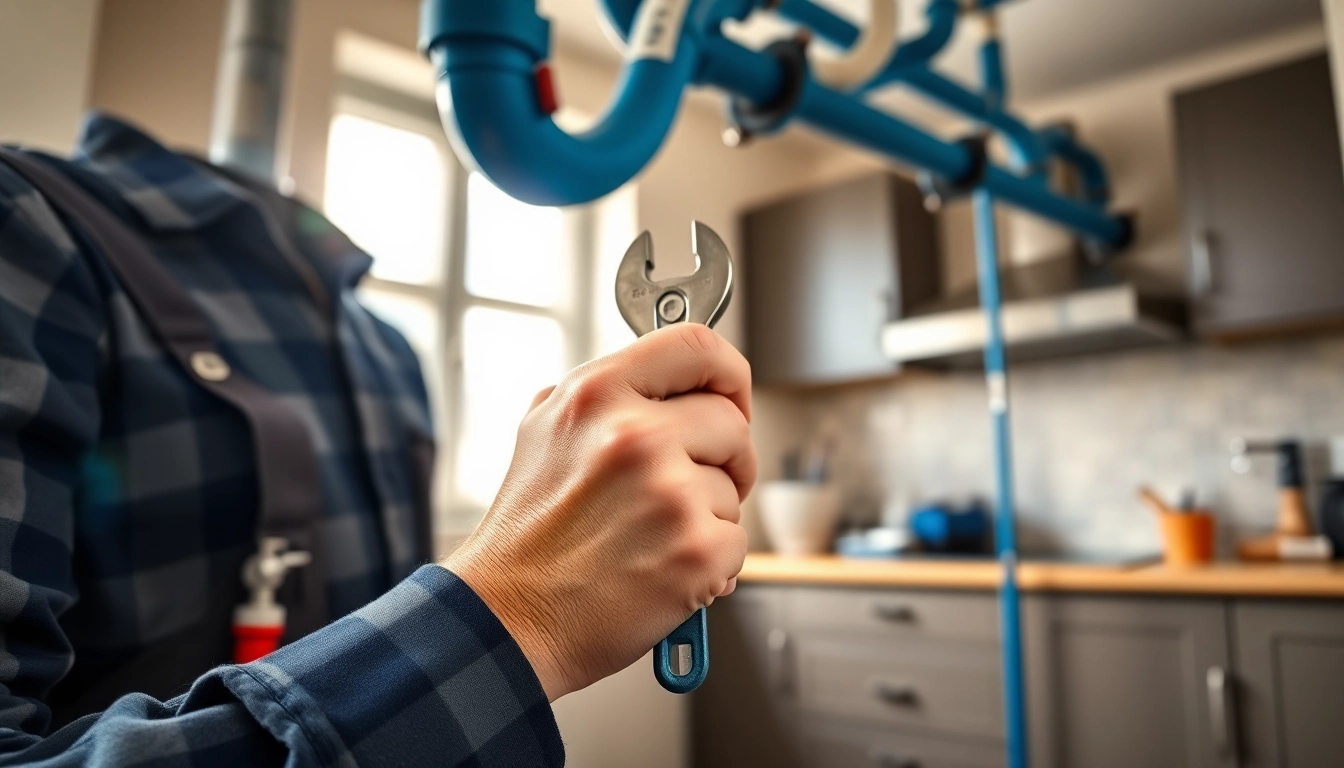
Whole house repiping refers to the process of replacing all the existing pipes in a home with new ones, typically due to age, corrosion, leaks, or unsafe materials. It's a comprehensive solution to long-term plumbing issues and involves removing old pipes and installing new pipe systems for water supply and drainage. This process ensures that your home is equipped with reliable plumbing, which is crucial for the comfort and safety of its inhabitants. Given the age of many homes in gorgeous areas like St. Petersburg, understanding the ins and outs of whole house repiping services St Petersburg FL becomes essential for homeowners facing plumbing concerns.
Signs You Need Repiping
Recognizing the need for repiping is vital for homeowners to prevent severe damage and costly repairs. Key signs that your home may need repiping include:
- Frequent Leaks: If you are noticing recurrent leaks or damp areas on walls and ceilings, it’s a strong indicator of pipe deterioration.
- Low Water Pressure: A significant drop in water pressure can indicate blockage or damage in the plumbing system, often pointing to the need for repiping.
- Discolored Water: Rusty or foul-smelling water might arise from corroding pipes, particularly if your home has older plumbing materials.
- Strange Noises: Sounds like gurgling or banging might indicate that pipes are failing or air is trapped in the plumbing system.
- Age of the Pipes: If your home has plumbing systems older than 50 years, it may be worth considering a professional evaluation.
Benefits of Complete Repiping
Opting for complete repiping comes with numerous benefits. Firstly, it significantly reduces the risk of water damage and the potential for costly repairs from leaks. Secondly, new pipes enhance water quality, as newer materials are more resistant to corrosion and scale buildup, ensuring safe drinking water. Additionally, with a complete repiping service, homeowners can expect increased property value. Homes with updated plumbing systems are often more appealing to potential buyers. Lastly, new piping systems can improve water pressure consistency and overall efficiency in water usage within the home.
Choosing the Right Materials for Repiping
Common Pipe Materials: Pros and Cons
When considering repiping, the selection of materials is an essential factor. The most common materials include:
- PEX (Cross-Linked Polyethylene): Flexible and resistant to scale and chlorine, PEX is easy to install and quite cost-effective. However, it cannot be used outdoors as it degrades from UV exposure.
- CPVC (Chlorinated Polyvinyl Chloride): This plastic material is resistant to corrosion and is colored for easy identification. Yet, it may release harmful chemical fumes when improperly installed.
- Copper: Known for durability and longevity, copper pipes are corrosion-resistant and antimicrobial. The downside is that they are typically the most expensive option and can corrode over time.
- Galvanized Steel: Once common in older homes, galvanized steel has a long lifespan but is prone to rust and corrosion. It is often replaced during repiping due to these disadvantages.
How Material Choice Affects Longevity
The choice of pipe material directly impacts the longevity and reliability of the plumbing system. For example, plastic materials such as PEX and CPVC are generally seen as more resilient in a variety of water conditions and are less susceptible to corrosion compared to metal piping. Copper offers long-term benefits in sanitary applications but requires more maintenance. Homeowners should weigh the lifespan of each material, climate factors, and building codes in their area to make informed choices that suit their specific plumbing needs.
Cost Implications of Different Materials
Cost is a critical component when selecting materials for repiping. PEX and CPVC are usually the most economical options, both in terms of upfront costs and installation efforts. Copper tends to be significantly more expensive, particularly with fluctuating copper prices on the market. Although galvanized steel pipes might be cheaper initially, the long-term costs associated with maintenance and replacement can add up. Thus, it is essential for homeowners to consider both short-term and long-term costs associated with each material for effective budgeting during the repiping process.
The Repiping Process Explained
Initial Assessment and Planning
The first step in the repiping process is a thorough assessment of the current plumbing system. Professional plumbers will typically conduct inspections using advanced diagnostic tools to determine the extent of damage and identify areas that require immediate attention. Once the assessment is complete, a detailed plan can be drawn up that outlines the scope of work, recommended materials, and timeframe for the project. This initial phase is critical to ensure that the repiping process is efficient and minimizes disruption to the household.
Steps in the Repiping Procedure
The actual repiping procedure generally involves several systematic steps:
- Shut Off Water Supply: The main water supply is turned off to prevent flooding and ensure safety during work.
- Remove Old Pipes: The old pipes are carefully cut out, and any associated fixtures are disconnected.
- Install New Pipes: New pipes are installed according to the pre-approved plan, ensuring they are correctly aligned and secured.
- Reconnect Fixtures: Connections to sinks, toilets, and other fixtures are made, ensuring a tight seal to prevent leaks.
- Test the System: After installation, the system is filled and tested for leaks before the area is closed up.
Post-Repiping Inspection and Maintenance
After the repiping process, it is vital to conduct a thorough inspection of the newly installed plumbing system. This check ensures that all connections are secure, and there are no leaks or defects. Homeowners are advised to schedule regular maintenance checks with a plumbing professional to keep the system in optimal condition. Simple steps, such as monitoring water pressure and watching for unusual signs in water quality, should be part of routine oversight to ensure the longevity and efficiency of the repiping investment.
Cost Factors in Whole House Repiping
Average Costs for Repiping in St Petersburg FL
The average cost for whole house repiping in St. Petersburg, FL varies significantly based on factors such as the size of the home, the complexity of the plumbing system, and the types of materials used. On average, homeowners can expect to pay between $5,000 and $15,000. Additionally, larger homes or those with multi-level layouts may incur higher labor costs due to the complexity of the project. It's advisable to get multiple quotes from qualified plumbing professionals before making a decision.
Hidden Costs to Consider
While most homeowners focus on the primary costs associated with materials and labor, hidden costs can arise throughout the repiping process. These may include:
- Permit Fees: Depending on local regulations, homeowners might need to pay for permits required for plumbing work.
- Repairing Damage: If the repiping reveals underlying issues, like water damage or mold, additional repair costs may be necessary.
- Upgraded Fixtures: New piping may require updated or compatible fixtures, adding to total expenses.
How to Budget for Repiping Services
Creating a budget for whole house repiping involves careful planning. Homeowners should start by assessing their current plumbing needs and potential issues to understand the scope of work ahead. It's beneficial to compare quotes from multiple plumbing services to ensure competitive pricing, while also factoring in the type and quality of materials recommended. Additionally, setting aside extra funds for unexpected costs will help mitigate the impact of potential surprises during the repiping process.
Choosing Professional Repiping Services
Qualities to Look for in a Plumbing Service
Selecting the right plumbing service for repiping is pivotal for a successful project. When evaluating plumbing companies, consider the following qualities:
- Experience: Look for a plumbing service with extensive experience in repiping, especially in residential settings.
- Licensing and Insurance: Ensure that the plumbing service is fully licensed and insured to protect yourself from liability.
- Positive Reviews: Research customer testimonials and reviews to gauge the service's reliability and quality.
- Detailed Estimates: A reputable service should provide a transparent estimate that outlines all expected costs.
Questions to Ask Your Plumber
Before hiring a plumbing service, it's essential to ask the right questions to ensure they meet your requirements. Here are some crucial inquiries:
- What materials do you recommend, and why?
- How long will the repiping process take?
- Do you offer a warranty for your services?
- Can you provide references from previous clients?
- What measures do you take to ensure minimal disruption during the process?
Understanding Warranties and Guarantees
Warranties and guarantees are critical components of any professional repiping service. These assurances protect your investment and provide peace of mind. Always clarify what specific aspects of the job are covered—whether materials, labor, or both—and for how long the coverage lasts. A reputable plumbing service should stand by their work with comprehensive warranties and guarantees, reflecting their confidence in the quality of their services.
Frequently Asked Questions (FAQs)
1. How often should I consider repiping my home?
Repiping is generally recommended for homes older than 50 years or when you notice repeated leaks or water quality issues.
2. What can I do to prolong the lifespan of my pipes?
Schedule regular plumbing inspections, avoid pouring grease down the drain, and be mindful of your water pressure to prolong pipe life.
3. Is whole house repiping a DIY project?
Due to its complexity and the need for specialized tools, repiping is best left to professional plumbers to ensure safety and compliance with building codes.
4. Will repiping affect my water service?
Yes, but typically only temporarily. Your plumber will inform you of any disruptions during the process, so you can plan accordingly.
5. Can repiping improve my home's water pressure?
Yes, replacing outdated and corroded pipes with new ones can significantly enhance your water pressure and overall plumbing efficiency.